 +86-13981905144
 inquiry@chinaroadtrip.org
A practical guide to exploring Tibet by car or motorcycle
Written by China Road Trip | Updated 2026-10-15

Planning to drive or ride in Tibet? A self-drive or motorcycle tour connects snow-capped peaks, lakes, monasteries and towns along the way. If you want to focus your journey within Tibet, you can start in Lhasa. After allowing time for acclimatisation and completing the necessary formalities and vehicle handover, you can explore routes towards Shigatse, the Everest region, Namtso, Nyingchi or Ngari.
For international travellers, such trips require advance coordination of travel permits, driving qualifications, vehicles and itineraries. Your daily driving or riding pace, accommodation locations, season and gear will all shape your experience. This guide covers the key planning points for self‑drive and motorcycle travel inside Tibet, to help you find an option that fits your schedule and experience level.
What Should You Arrange Before Driving or Riding in Tibet?
Tibet self‑drive and motorcycle trips for foreign visitors require advance planning. Before booking, confirm the required travel permits, driving eligibility, vehicle options and where formalities can be completed. Some documents must be submitted ahead of time, while certain procedures require you to attend in person after arriving at a designated city. Do not assume you can collect a vehicle and start driving immediately upon reaching Lhasa.
• Travel permits: Foreign nationals need a Tibet Travel Permit to enter the region. If your itinerary includes Everest, Ngari or other border zones, additional area‑specific permits may also be required. These permits cannot be applied for directly by individuals; they must be filed and processed through an authorised Chinese travel agency based on your proposed route.
 |
• Driving qualification: A foreign driving licence or an International Driving Permit (IDP) alone does not authorise you to drive in China. Eligible vehicle categories and cities where a temporary driving permit can be issued differ between cars and motorcycles. We can assist with document preparation, translation and procedural arrangements, but you must attend in person to complete the formalities.
 |
• Vehicle options: You may rent a local vehicle arranged by us, or bring your own car or motorcycle into China from abroad. If renting locally, confirm vehicle types, availability and pick-up and drop-off locations well in advance. If bringing your own vehicle, an agency will help coordinate temporary import formalities. Please provide your nationality, vehicle registration country, proposed ports of entry / exit, dates and intended route as early as possible so we can confirm the required process.
 |
• Vehicle handover and insurance: Confirm the vehicle specification, pick-up and drop-off locations, and the inspection process when taking delivery. Carefully check your policy for coverage, exclusions and roadside‑assistance terms — do not assume insurance automatically covers every possible rescue or loss scenario.
Where Can You Drive or Ride in Tibet?
The routes below serve as a starting point for planning. Based on your available time, interests, driving or riding experience and permit requirements, we can discuss destination combinations, stops and starting and finishing points.
-
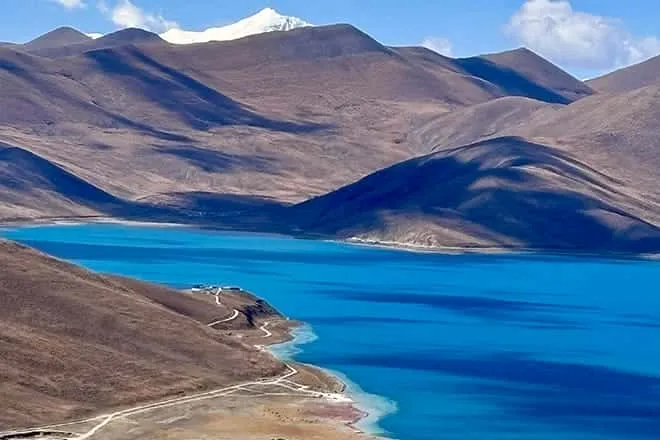
• Lhasa — Yamdrok Tso — Gyantse — Shigatse
Highlights: Yamdrok Lake, Karola Glacier, Gyantse Dzong and Tashilhunpo Monastery, combining lake and glacier scenery with the cultural heritage of the Tsang region.
 |
Best suited to: Travellers seeking a balanced mix of lakeside views and Tibetan culture within a relatively compact area. Be aware of high‑altitude passes and the demands of mountain driving.
Planning notes: Sightseeing stops can be adjusted flexibly; confirm overnight locations ahead of time.
-
• Lhasa — Shigatse — Everest region
Highlights: Plateau landscapes around Shigatse and Himalayan mountain views on the journey towards the Everest visitor area. Shuttle services and vehicle access within the scenic area follow the regulations in place at the time of travel.
 |
8-Day Lhasa-Everest Base Camp Motorcycle Expedition
Best suited to: Those wishing to visit the Everest area who are comfortable with sustained high‑altitude sections.
Planning notes: Passes along the route sit at considerable elevations and weather can shift rapidly. Build in flexible time and check current park access policies in advance.
-
• Lhasa — Namtso
Highlights: Cross the Nyenchen Tanglha range to reach the shore of Namtso, with wide‑open landscapes of northern Tibet.
 |
8-Day EBC-Ali Self-Drive Tour: Lhasa, Shigatse & Namtso
8-Day Lhasa-Everest & Namtso Motorcycle Pilgrimage
Best suited to: Travellers who want to experience the high‑altitude lake country of northern Tibet and are prepared for high‑elevation travel.
Planning notes: Namtso lies at very high altitude. Work out daily distances carefully according to your starting point, accommodation and physical condition. Keep updated on cold temperatures, strong winds and snowfall, and park opening status.
-
• Lhasa — Nyingchi
Highlights: The Nyang River valley, Lulang and the Yarlung Tsangpo Grand Canyon, with forested mountains and river valleys characteristic of south-eastern Tibet.
 |
9-Day Peach Blossom Spring Self-Drive: Lhasa to Bomê
Best suited to: Visitors interested in the unique geography of south‑eastern Tibet.
Planning notes: Some valleys and towns sit at relatively lower elevations, yet parts of the route still climb to high passes — assess the full itinerary accordingly. Road bends can become slippery during the rainy season.
-
• Lhasa — Ngari
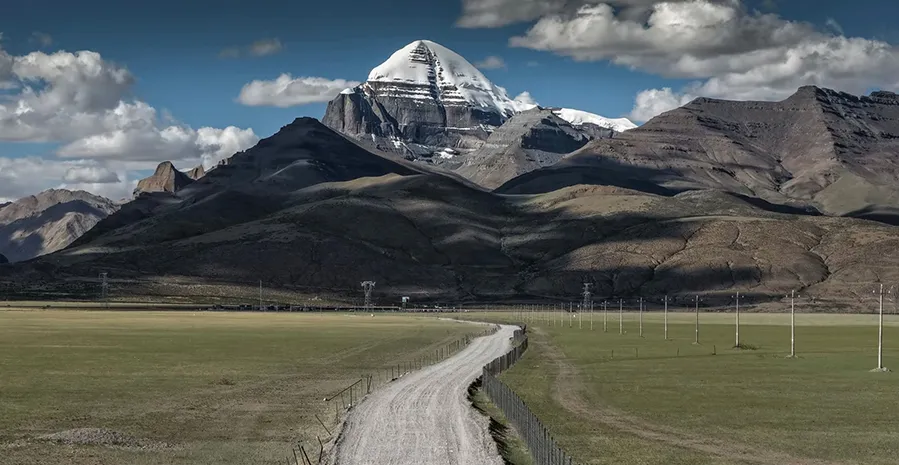
Highlights: Lake Manasarovar, Mount Kailash, the Zanda Earth Forest and the ruins of the Guge Kingdom.
 |
14-Day Ali Northern Line Motorcycle Self-Driving Tour
16-Day Ngari Pilgrimage Off-Road Journey from Lhasa
14-Day Ali North Self-Drive Tour
16-Day Ngari Pilgrimage Off-Road Journey from Lhasa
Best suited to: Experienced long‑distance drivers or riders with sufficient time, who are comfortable with long transfers and limited services.
Planning notes: First decide whether to include Mount Kailash, Zanda or more distant sites, then choose an out‑and‑back or loop variant. Plan fuel, accommodation and rest stops thoroughly for long stretches. If you intend to do the Kailash kora, allocate separate days for trekking and recovery.
How Should You Plan Your Itinerary and Daily Pace?
High‑altitude travel works differently from lowland travel.
When planning each day, look not only at driving / riding hours but also how the elevation of your overnight stops rises over consecutive nights. Avoid climbing too quickly. Keep activities light and low‑intensity in Lhasa at first, then progress gradually based on how you feel. If you develop altitude discomfort, do not move to an even higher sleeping location. Seek prompt medical help and descend if symptoms worsen.
Never plan days by distance alone. Mountain driving, photo stops, monastery visits, lunch and rest all take time. For motorcyclists, also factor in putting on / taking off gear, warming‑up breaks and frequent pull‑overs. Aim to arrive at your accommodation before dark whenever possible.
-
Other practical points:
• Reserve time at the start for acclimatisation, vehicle handover and final paperwork checks; leave a buffer at the end for vehicle return and rest.
• For long routes such as Ngari or Everest, map out fuel, food and supply points ahead of time and carry water and basic emergency provisions.
• If you include the Mount Kailash kora, allow additional days for trekking and recovery beyond the driving itinerary.
• Weather, road conditions and how you feel at altitude can affect your pace. We build flexibility into the plan and, within permit limits and real‑world feasibility, can help adjust stops, accommodation or routing as needed.
What Are the Roads Like in Tibet?
Major tourist routes are mostly paved, yet surface quality can change due to maintenance work, construction and weather. When selecting a vehicle, consider your exact route, the vehicle’s condition and your driving or riding skill — do not rely only on the fact that a road is paved.
Even on good asphalt, many sections feature continuous bends, long climbs / descents and high passes. Other stretches are wide but with long gaps between supply points. On the same route, the physical and weather demands can be very different for car drivers versus motorcyclists.
Some side roads, construction zones and weather‑exposed segments may have loose gravel, potholes or other hazards. Our team verifies road information before and during the trip and can adjust plans in response to real‑world conditions.
When Is the Best Time to Drive or Ride in Tibet?
You can plan your Tibet self‑drive or motorcycle trip around seasonal patterns. Keep in mind that temperatures and road access often vary widely between Nyingchi, Everest, Namtso and Ngari even in the same calendar month, so always judge by your specific route.
-
Spring (March – May): Spring scenery alongside persistent high‑elevation cold
 |
9-Day Peach Blossom Spring Self-Drive: Lhasa to Bomê
Nyingchi’s famous peach blossoms are a spring highlight, though bloom dates shift with altitude and annual weather. As spring progresses, a wider range of routes may become suitable for touring, depending on snow, ice and local access conditions. High passes and lake areas can remain very cold, with lingering snow‑ice and variable opening status. Motorcyclists in particular must carry warm, wind‑proof gear for mountain conditions.
-
Summer (June – August): Lush grasslands and valleys — watch for monsoon effects
 |
Summer brings rich green grasslands and lake‑valley scenery and is generally a favourable window for driving and riding. That said, rainfall increases across many regions; cloud can obscure mountain views and wet surfaces may create temporary road disruptions. Riders should pack full waterproofs and schedule extra time for shelter stops, avoiding an over‑tight pace.
-
Autumn (September – November): Colours and mountain visibility — watch cooling temperatures
 |
Early‑to‑mid autumn delivers grassland hues, Nyingchi’s fall foliage and often clear skies for mountain viewing — a popular season for photography. Colour peaks differ by location. As late autumn sets in, the risk of cold snaps, snowfall and icy roads on high ground rises significantly. It is important not to use identical itineraries or gear lists for September and November; trips to Ngari or Namtso and motorcycle journeys need separate evaluation.
-
Winter (December – February): Targeted route selection is key
 |
11-Day Eastern Tibet Self-Drive Winter Adventure
11-Day Eastern Tibet Motorcycle Tour Winter Adventure
Winter is better suited to Lhasa‑based cultural sightseeing and short accessible nearby loops rather than replicating warm‑season long‑distance traverses. Confirm road viability, accommodation availability and park status carefully for high lakes, mountain passes and remote zones such as Ngari. Cars offer far better shelter from cold and wind; motorcycling carries much higher exposure to extreme cold, strong winds and icy surfaces and should be assessed very cautiously.
Based on your intended month, destinations and travel mode, we can suggest suitable routes. Closer to departure we verify weather, roads and service availability to refine your itinerary and gear checklist.
Self-Drive or Motorcycle Touring: Which Should You Choose and What Should You Pack?
The two styles deliver distinct experiences. Even on identical routes, daily distances and rest schedules should be assessed independently to suit your group, fitness and preferences.
-
Self‑drive by car
 |
Suitable for groups, families or anyone prioritising comfort, luggage space and weather protection. Our bilingual guide travels in the vehicle to assist with local communication, sightseeing and on‑trip coordination. If you plan to share driving, confirm each driver’s licence validity, rental rules and insurance terms in advance. Daily driving distances are always balanced against roads, stops and rest requirements.
-
Motorcycle touring
 |
For riders who enjoy direct, immersive contact with the landscape and have suitable riding experience. You will be exposed to wind, cold and rain, which places higher demands on fitness and equipment. Our motorcycle programmes include a bilingual riding guide plus a support vehicle to carry luggage, offer on‑route assistance and help resolve mechanical issues. Sufficient time is built in for rest, temperature management and weather delays; exact support services will be confirmed prior to booking.
-
Packing Recommendations
• General items: Bring your passport, driving licence, required permits and translations as specified in the pre‑departure checklist; high‑SPF sunscreen, UV‑protective sunglasses and lip balm; layered clothing plus a wind‑resistant warm outer shell. Carry your regular personal medications. If considering altitude‑related medication, consult a doctor beforehand. Also bring chargers and portable power banks.
• For car travellers: Use a small day‑bag to keep documents, water and snacks handy. Check boot capacity ahead of time to plan your luggage.
• For motorcyclists: Try on your helmet, riding jacket and boots in advance to ensure proper fit and correctly positioned armour. Have separate waterproof and thermal layers, plus gloves, knee and elbow protectors.
• Luggage principle: Keep essentials for the day separate from bulk baggage. Before departure confirm which items are provided by us and which you need to bring yourself.
Closing note
A rewarding Tibet road trip relies on thorough, realistic planning. Permits, vehicles, routing, pacing, seasonality and gear all contribute to safe, enjoyable travel.
Tell us your nationality, intended travel dates, group size, preferred destinations and driving / riding experience and we can discuss possible routes, vehicles and formalities. If you are considering bringing your own vehicle into China, please also share its country of registration and proposed entry / exit ports so we can outline the next steps.
Ask a Quick Question & Free Enquiry

If you have a WhatsApp, please feel free to scan our WhatsApp code.