 +86-13981905144
 inquiry@chinaroadtrip.org
Can Foreigners Drive or Ride Motorcycles from Lhasa to Mount Kailash?
Written by China Road Trip | Updated 2026-9-21

Yes. Foreign visitors may drive a car or ride a motorcycle from Lhasa to Mount Kailash as part of an approved Tibet itinerary arranged by a licensed travel agency. In addition to travelling by private charter or joining a small-group tour, a self-drive or motorcycle trip allows travellers to experience high-altitude roads, snow-capped mountains, lakes, and the open landscapes of Ngari more directly.
However, foreign visitors cannot travel independently within the Tibet Autonomous Region. Whether travelling by self-drive, motorcycle, private charter, or small-group tour, the Tibet section must be arranged in advance by a licensed travel agency. This includes the vehicle, a licensed local guide, an approved itinerary, and all required permits. A licensed local guide accompanies travellers throughout the Tibet section.
Darchen is the main base for self-drive and motorcycle trips to Mount Kailash. Located at the foot of the mountain, it is the main place for accommodation, supplies, and the start of the outer kora. One important point: the Mount Kailash outer kora cannot be completed by car or motorcycle. Vehicles are generally parked in Darchen, while the kora itself is completed on foot over around three days.
Permits and Driving Arrangements Before You Go
Tibet Travel and Border-Area Permits
The Tibet Travel Permit is the basic permit required to enter Tibet. Travel to Everest Base Camp on the Tibet side, Ngari, and certain border areas may require additional permits, depending on the final approved itinerary. Your travel agency will confirm and arrange the required permits before departure.
 |
Permit applications must be prepared in advance according to your final itinerary, planned entry method, and travel dates. Ngari itineraries often require a longer lead time, especially during peak travel periods. Do not book non-refundable flights until your permit arrangements have been confirmed.
Driving Eligibility and Vehicle Arrangements
China does not recognise an International Driving Permit (IDP) as a standalone driving qualification. Foreign visitors who wish to drive in China must obtain a temporary Chinese motor vehicle driving permit for the appropriate vehicle category. The permitted vehicle category must match the licence held in the traveller’s home country.
 |
For short stays, a temporary Chinese driving permit can be issued for up to three months. For stays longer than three months, it may be extended for up to one year, subject to the applicant’s status and local processing requirements.
If bringing a temporarily imported vehicle, the permitted vehicle category must also match the vehicle being used.
- Cars: For most foreign visitors, the more practical option is to use a Chinese-registered vehicle arranged through an authorised rental or travel operator. It is also possible to temporarily import an eligible foreign-registered vehicle, but this involves more complex procedures and a longer preparation period.
- Motorcycles: The vehicle category shown on the temporary driving permit must match both the motorcycle you plan to ride and the category stated on your overseas driving licence.
- Application time and location: Foreign drivers usually need to apply in person for a temporary Chinese driving permit that matches the vehicle type. Travellers should therefore allow time after arriving in China for this process.
For the routes we arrange, temporary permits for cars can currently be processed in Chengdu, Kunming, Chongqing, Lhasa, and other major cities, depending on the itinerary and vehicle collection point.
For motorcycle trips, applications can currently be arranged in Kunming, Chongqing, Lhasa, Urumqi, and other eligible cities. Availability in other locations, as well as accepted vehicle categories, required documents, and permit validity, must be confirmed case by case before flights are booked.
Self-Drive or Motorcycle Touring: Which Is Better?
A self-drive trip may suit travellers who:
- 1. Are making their first trip to Tibet or Ngari
- 2. Are travelling with several people and carrying more cold-weather gear for high altitudes
- 3. Want better warmth and stability in rain, snow, and strong winds
- 4. Want an easier recovery after the kora
 |
A motorcycle tour may suit travellers who:
- 1. Have long-distance high-altitude riding experience
- 2. Are prepared for intense UV exposure, crosswinds, low temperatures, and rapidly changing weather
- 3. Are comfortable with mountain bends, gravel sections, changing road surfaces, and remote high-altitude conditions
- 4. Are willing to strictly follow the group’s riding pace and safety arrangements
 |
Best Time to Travel
- Late April to early June: Weather is relatively stable, mountain views are clear, and travel comfort is higher.
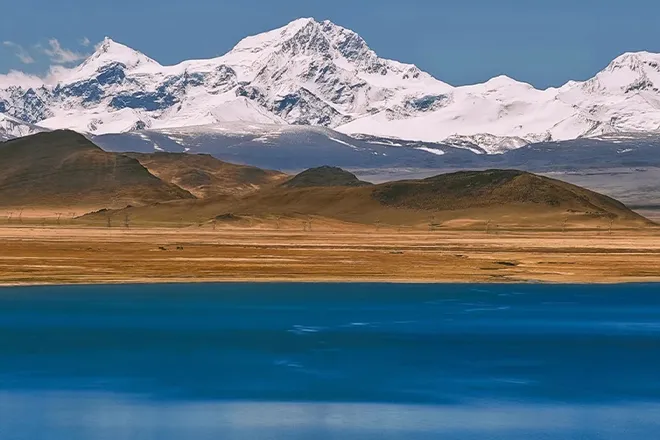
- Mid-September to mid-October: Autumn colours, lakes, and snow-capped mountains are especially good for viewing, but mornings and evenings are colder.
- July–August: Rainy-season road conditions are less predictable, so allow more buffer time.
- November to March: High-altitude passes may be snowy or icy, and motorcycle touring is not recommended for inexperienced riders. Parts of the Mount Kailash kora route may close during winter. Exact opening and closing dates are subject to the current-year notice from Purang County and confirmation by the travel agency before departure.
Route and Road Conditions
Classic Route via Everest Base Camp
For travellers who want to visit Yamdrok Lake, Shigatse, and Everest Base Camp on the Tibet side in one journey, a classic route is:
Lhasa → Yamdrok Lake → Shigatse → Everest Base Camp → Saga → Darchen (Mount Kailash)
- -The total driving distance is around 1,500 km or more, depending on sightseeing detours, overnight stops, and the final itinerary.
- -Plan at least six days to travel from Lhasa to Darchen.
- -Lhasa sits at about 3,650 m, while Darchen is around 4,600 m. The route includes several high passes and long stretches at high altitude.
Road Conditions and Driving Challenges
 |
Most main-road sections on this itinerary are paved, and a standard SUV or MPV is usually suitable. However, a paved road does not necessarily make the journey easy. High altitude, strong crosswinds, long driving distances, rapidly changing weather, occasional gravel sections, and temporary traffic controls can all affect the journey. Vehicle choice and daily driving plans should be based on confirmed road conditions and the approved itinerary.
The Shigatse to Everest section includes many mountain bends and rapidly changing weather. The Everest to Saga section crosses remote high-altitude terrain with fewer fuel and supply stops. The Saga to Darchen section is known for strong winds, low temperatures, and wide day-to-night temperature changes. Where included in the approved itinerary, some local access roads near Darchen, Lake Manasarovar, and Lake Rakshastal may be gravel or washboard roads.
Snow, strong winds, and temporary traffic controls may affect the itinerary, so leave buffer time.
Why Start in Lhasa Instead of Heading Straight to Mount Kailash
Acclimatise in Lhasa First
On the day you arrive in Lhasa, avoid strenuous sightseeing and give your body time to rest. Staying in Lhasa for at least one or two nights before travelling farther west is strongly recommended. Do not begin a long drive or motorcycle ride immediately after landing.
Acclimatise Gradually Along the Route
Travelling from Lhasa through Shigatse, Everest, Saga, and Darchen gives your body more time to acclimatise gradually. This does not remove the risk of altitude illness, but it is generally safer than rushing directly towards Ngari without first adapting in Lhasa.
High-Altitude Driving and Riding: Safety Preparation
Acclimatisation and Health Risks
Headache, poor sleep, and loss of appetite can occur at high altitude. If symptoms worsen, stop ascending and inform your guide immediately. Warning signs such as shortness of breath at rest, confusion, persistent vomiting, or difficulty walking normally require prompt descent and medical attention. Oxygen may provide temporary support, but it does not replace descent or medical assessment.
Vehicle and Riding Gear
Check tyres, brakes, spare tyre, tyre-repair tools, and lights before departure. Prepare offline maps, charging devices, drinking water, food, and a basic first-aid kit. Motorcyclists should also bring full protective gear, waterproof luggage, warm base layers, and spare gloves.
Fuel stations and repair facilities can be far apart in remote high-altitude areas. Refuel whenever reliable fuel is available rather than waiting for a low-fuel warning.
Weather and Road Reminders
Avoid riding at night and never drive or ride when fatigued. Mountain weather can change quickly, so reduce speed in rain, snow, hail, or strong winds. Yaks, sheep, goats, and herders may be on or beside the road; slow down and pass patiently. Do not leave the approved itinerary or enter uninhabited areas, nature reserves, or border management areas without permission.
16-Day Mount Kailash Outer Kora and Northern Ngari Grand Loop
This route is designed for travellers who want to complete the Mount Kailash outer kora and explore Northern Ngari, Changtang, and Namtso.
Itinerary
| Day | Itinerary | Overnight |
| D1 | Arrive in Lhasa; acclimatise. | Lhasa |
| D2 | Lhasa city sightseeing: Potala palace, Jokhang Temple, Barkhor Street. | Lhasa |
| D3 | Lhasa → Yamdrok Lake → Karo La Glacier → Shigatse. | Shigatse |
| D4 |
Shigatse → Everest Base Camp. |
Everest Base Camp area |
| D5 | Everest → Saga. | Saga |
| D6 | Saga → Darchen. | Darchen |
| D7-D9 | Mount Kailash outer kora on foot. After completing the kora, transfer to Zanda, subject to the group's pace, weather, and road conditions. |
D7 Dirapuk Monastery area; D8 Zutulpuk Monastery area; D9 Zanda, subject to road and group arrangements |
| D10 | Zanda Earth Forest,Guge Kingdom Ruins, Tholing Moastery, Shiquanhe. | Shiquanhe |
| D11 | Shiquanhe → Gerze. | Gerze |
| D12 | Gerze → Nyima; visit Tangra Yumco. | Nyima |
| D13 | Nyima → Baingoin; via Siling Lake. | Baingoin |
| D14 | Baingoin → Damxung; visit Namtso and Shengxiang Tianmen (Holy Elephant Gate). | Damxung |
| D15 | Damxung → Lhasa; free time. | Lhasa |
| D16 | Lhasa airport/railway station transfer. | Departure |
Who Is This Route For?
- 1. Want to complete the Mount Kailash outer kora
- 2. Want to see Everest, Ngari, Guge, Zanda Earth Forest, Changtang lakes, and Namtso in one trip
- 3. Have enough time and can adapt to a continuous high-altitude itinerary
- 4. Have some long-distance self-drive or motorcycle experience
14-Day Lhasa to Mount Kailash Culture and Lakes Route Without the Kora
This route includes the key experiences of Mount Kailash, Lake Manasarovar, the Guge Kingdom, and Ngari’s lakes. It is well suited to travellers who do not plan to complete the three-day outer kora on foot or who prefer a more relaxed pace.
Itinerary
| Day | Itinerary | Overnight |
| D1 | Arrive in Lhasa; acclimatise | Lhasa |
| D2 | Potala Palace, Jokhang Temple, Barkhor Street. | Lhasa |
| D3 | Lhasa → Yamdrok Lake → Karo La Glacier → Gyantse → Shigatse | Shigatse |
| D4 | Shigatse → Tingri → Everest Base Camp. | Everest Base Camp area |
| D5 | Everest → Rongbuk Monastery → Mount Shishapangma → Peiku Tso → Saga. | Saga |
| D6 | Saga → Darchen. | Darchen |
| D7 | Lake Manasarovar, Lake Rakshastal, Mount Kailash viewing, and rest in Darchen. | Darchen |
| D8 | Darchen → Zanda → Tholing Monastery → Guge Kingdom Ruins. | Zanda |
| D9 | Zanda Earth Forest, Piyang ruins, Dongkar caves → Shiquanhe. | Shiquanhe |
| D10 | Shiquanhe → Pangong Tso → Gerze. | Gerze |
| D11 | Gerze → Tangra Yumco → Wenbu South Village. | Wenbu South Village |
| D12 | Wenbu South Village → Siling Lake → Baingoin. | Baingoin |
| D13 | Baingoin → Namtso → Lhasa. | Lhasa |
| D14 | Lhasa airport/railway station transfer. | Departure |
Who Is This Route For?
- 1. Want to see Mount Kailash, Lake Manasarovar, and core Ngari scenery
- 2. Are not sure whether their body can complete a high-altitude trekking kora
- 3. Are more interested in lakes, Guge culture, the Zanda Earth Forest, and high-altitude road scenery
- 4. Want less trekking pressure and a more relaxed driving pace
Mount Kailash Outer Kora: What Drivers and Riders Need to Know
The Outer Kora Is a Trek on Foot
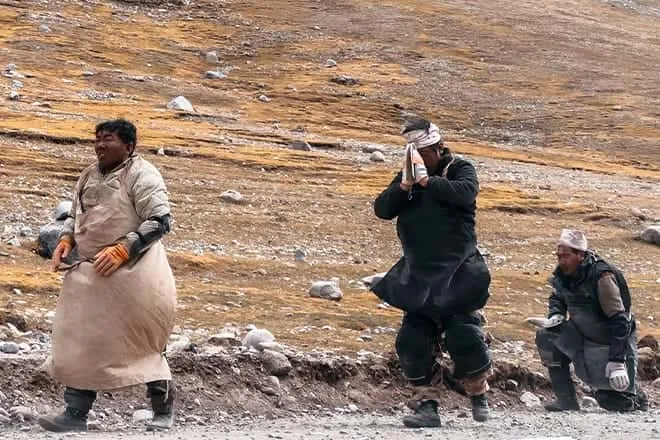
For most travellers, the Mount Kailash outer kora — the traditional pilgrimage circuit around Mount Kailash — is a three-day trek on foot covering around 52 km. Vehicles and motorcycles are generally parked in Darchen during the kora. The section from Dirapuk Monastery to Drolma La Pass is one of the most demanding parts of the route, involving sustained climbing at high altitude. Some descents after the pass are on loose gravel and require extra care, especially when wet, icy, or snowy.
 |
Even if you are normally fit, do not underestimate how high altitude affects stamina and recovery. The decision to join the kora should be based on your condition after arriving in Darchen and your guide’s advice.
Who Should Think Carefully Before Attempting the Kora?
- 1. People who have just arrived at high altitude and have not yet acclimatised
- 2. People with ongoing altitude symptoms, or pre-existing heart or lung conditions without medical clearance
- 3. People without basic hiking fitness who plan to push through
- 4. People who want to complete the whole route in one day
Even in summer, temperatures at high altitude can fall close to or below freezing at night. Plan each walking day conservatively and aim to reach your overnight stop well before dark. Follow your guide’s advice if weather conditions worsen.
Recommended Kora Gear
- -Waterproof hiking boots, trekking poles
- -Warm layers, windproof jacket, gloves, and hat
- -Sunscreen, sunglasses, lip balm
- -Thermos, energy food, and personal medications
- -Small backpack and rain gear
- -Main luggage can usually be stored in Darchen.
Where available, the travel agency may arrange a porter, yak, or other locally permitted support for the kora. These arrangements must be confirmed in advance, and travellers should carry only essential items during the trek.
FAQs
- Can foreigners ride a motorcycle to Mount Kailash on their own?
Not independently. Foreign visitors must travel on a Tibet itinerary arranged by a licensed travel agency, whether as a private trip or a small-group tour. A licensed local guide, approved itinerary, required permits, and the appropriate temporary driving permit must all be arranged in advance.
- Can I drive my own car into Tibet and Ngari?
It may be possible to bring an eligible foreign-registered vehicle into China temporarily, but the process involves vehicle-import procedures, customs requirements, and a temporary Chinese driving permit. For most visitors, using a Chinese-registered vehicle arranged through an authorised rental or travel operator is more practical.
- Does the Mount Kailash kora have to take three days?
Not necessarily. Some experienced trekkers complete the kora in two days, but most travellers should allow around three days because of the altitude and demanding terrain. Completing the full route in one day is not recommended.
- If I don’t do the kora, are Darchen and Lake Manasarovar still worth visiting?
Yes. Darchen itself is a convenient base for viewing Mount Kailash. The lake views of Lake Manasarovar and Lake Rakshastal, and the distant view of Mount Gurla Mandhata (Naimona’nyi), are extremely impressive. Skipping the kora gives you more time to take in the scenery of Ngari’s southern route at a slower pace.
- How far in advance should I book a trip to Mount Kailash?
We recommend contacting a travel agency at least two to three months before departure and submitting the required documents at least 30 days in advance. Ngari itineraries, peak travel periods, major festivals, and Tibetan Horse Years may require earlier planning.
- Are internet access, payment, fuel, and accommodation convenient on the Ngari route?
Mobile signal is available in Darchen and major towns, but coverage can be limited or unavailable on remote sections of the route and during the kora. Mobile payments are widely used in major towns, but travellers should keep some cash as a backup in case mobile signal or payment services are unavailable in remote areas. Fuel stations are available in key towns, but distances between them can be long, so refuel whenever practical. During peak travel periods, accommodation in Darchen and along the kora route can be limited. Facilities and heating along the kora are basic, so beds and support arrangements should be confirmed well in advance.
- Can I travel solo on a self-drive or motorcycle trip to Mount Kailash?
Foreign visitors cannot travel independently in Tibet, but a licensed travel agency can arrange a private itinerary for solo travellers. Available vehicle types, guide arrangements, and costs depend on the current reception plan and should be confirmed before booking.
- During the Mount Kailash outer kora, how are vehicles and large luggage arranged?
Vehicles and motorcycles are generally parked in Darchen during the kora. Main luggage can be stored at your Darchen accommodation, while a porter, yak, or other locally permitted support may be arranged in advance if needed. Travel as light as possible during the kora.
Choosing the Right Lhasa to Mount Kailash Route
Planning a self-drive or motorcycle trip from Lhasa to Mount Kailash begins with choosing a route that matches your available time, physical condition, and travel expectations.
Travellers who want to complete the Mount Kailash outer kora and continue through Changtang and Namtso may prefer the 16-day Northern Ngari grand loop. Those who do not plan to trek the kora but still want to experience Mount Kailash, Lake Manasarovar, the Guge Kingdom, and Ngari’s lake landscapes may find the 14-day culture and lakes route more suitable.
Whichever option you choose, arrange your permits, temporary driving permit, vehicle, guide, and Tibet itinerary with a qualified travel agency in advance. Spend time acclimatising in Lhasa and keep flexibility for weather, road conditions, and your physical condition. This will make the journey to Mount Kailash safer, more realistic, and more rewarding.
Ask a Quick Question & Free Enquiry

If you have a WhatsApp, please feel free to scan our WhatsApp code.