 +86-13981905144
 inquiry@chinaroadtrip.org
Discover Scenic and Cultural Stops Along the Way
Written by China Road Trip | Updated 2026-10-28

Tibet has no shortage of spectacular scenery—the challenge is deciding where to stop and what to make time for. From snow-capped mountains and alpine lakes to deep gorges and forests, from Tibetan villages to historic highland towns, every route offers something different.
This guide covers the G318 self-drive route from Chengdu and the Yunnan–Tibet motorcycle route from Kunming, highlighting the stops worth making along the way and what you'll see and experience at each. It then extends beyond Lhasa toward Everest, Ngari and Xinjiang, to help you decide where you want to go.
Use these recommendations as a starting point. The exact stops, sightseeing time and accommodation can all be tailored to your interests and schedule—just talk to us.
From Chengdu: Best Stops on a G318 Self-Drive Tour
Most of our self-drive groups set off from Chengdu and follow the G318 toward Lhasa. Beyond the main highway, you can also add detours to places like Mount Siguniang, Danba and Daocheng Yading, depending on your interests.
-
Snow-Capped Mountains and Tibetan Villages of Western Sichuan
Shuangqiao Valley in the Mount Siguniang scenic area is known for its snowy peaks, alpine meadows and streams. Take the sightseeing bus to the upper end of the valley, then explore on foot and use the shuttle between stops. Allow half a day to a full day, depending on your pace.
 |
Jiaju Tibetan Village in Danba sits on a hillside, with traditional Tibetan houses set against the valley. Walking through the village, you'll see stone watchtowers, painted doors and windows, and grain drying on rooftops—a glimpse of everyday life in a Tibetan village. If you're short on time, a brief visit works; photographers and those interested in village life may want to slow down and take in the morning and evening light.
 |
-
Grasslands and Highland Towns
Xinduqiao is surrounded by a mix of poplar groves, streams, Tibetan houses and distant ridges. In autumn, when the poplars turn yellow, the colors are especially rich. Morning and evening light adds depth to the scenery, making Xinduqiao especially rewarding for photography.
Litang, at around 4,014 meters, is a classic highland town. Litang Monastery (Changqingchun Ke'er Monastery), the old streets and nearby pastures offer a look at everyday life in a Tibetan town, while just outside the town, the Maoya Grassland opens up between the mountains. What makes Litang worth stopping for is exactly this combination of highland town life and open grassland scenery.
 |
-
Daocheng Yading Detour
Daocheng Yading is a detour you can add to your itinerary—it's not a stop along the G318 itself. The area is known for its three sacred mountains, alpine lakes, forests and meadows, with snowy peaks and lakes appearing in the same frame—one of the most iconic landscapes of the western Sichuan plateau. Heading south from Litang into the Yading scenic area can add one to two days. Inside the park, you can choose different routes based on your fitness and what's open, and those who enjoy hiking and alpine lakes may want to give it an extra day.
 |
-
Lakes and Glaciers of Eastern Tibet
Ranwu Lake changes color with the seasons and weather, and on still mornings the reflections of the snow-capped peaks are at their best. It's worth considering an overnight stay to catch both morning and evening; if time is tight, a short stop will do.
 |
Midui Glacier lies near Ranwu, where glacial scenery, forests and a nearby village create a striking contrast along the Sichuan–Tibet route.
 |
Bomi's appeal lies in its scenery of snowy mountains, forests and river valleys. Following the Parlung Tsangpo River, dense forest on the slopes, villages in the valley and distant snowy peaks appear in constant alternation—worth slowing down for.
-
Nyingchi to Lhasa
Lulang, at around 3,385 meters, has high forest cover and a relatively humid climate, with forest, meadows and villages forming a quiet pastoral scene. Walking through the village, you can feel the milder character of Nyingchi, so different from the high-altitude wilderness.
 |
Sejila Pass is a viewpoint for Namcha Barwa. The peak is often wrapped in clouds, but on clear days you may catch a glimpse of the snow peak emerging.
 |
Basum Lake's emerald waters, island monastery and nearby Jieba Village make it worth visiting for both scenery and local culture. You can stroll along the shore, visit the island, or wander through the village.
 |
From Kunming: Best Stops on a Yunnan–Tibet Motorcycle Tour
Our motorcycle groups mainly set off from Kunming and follow the Yunnan–Tibet route to Lhasa. The lakes, old towns and gorges of Yunnan each have their own appeal, and along the way you'll feel the landscape shift from Yunnan river valleys to the Tibetan plateau.
-
Lakes and Old Towns of Yunnan
Erhai Lake near Dali offers a gentle opening to the journey. Riding along the lakeside roads, you can enjoy views of Cangshan, the lake and villages along the shore—a scenic stretch worth taking slowly.
 |
Lijiang's old town, with its stone-paved streets, waterways and Naxi houses, is worth a slow wander. The lanes and canals around Sifang Square offer a taste of local culture in the early part of the trip.
-
Into the Highlands
Tiger Leaping Gorge—the Jinsha River rushes through a steep gorge here, with the river and rock walls on either side creating a dramatic scene. If time allows, walk a section of the trail for a closer look at the gorge and the river.
 |
Dukezong Old Town in Shangri-La sits at a higher elevation than the earlier stops in Yunnan. The prayer wheels, stone streets and Tibetan houses are especially atmospheric in the evening light, and walking through the old town gives you a sense of the Tibetan culture of northwestern Yunnan.
-
The Yunnan–Tibet Border
Meili Snow Mountain is a highlight of the Deqin area. Waiting at the Feilai Temple viewpoint for sunrise on the peaks is a classic experience, and on clear days you may see the snow peaks turn gold in the morning light.
 |
The Yanjing Salt Fields are a cultural stop worth making along the Yunnan–Tibet route. The salt terraces line the slopes above the Lancang River, where traditional salt-making methods are still practiced. You can stop to see the terraces and try jiajia noodles, served in small bowls with repeated refills.
-
Joining the Sichuan–Tibet South Route
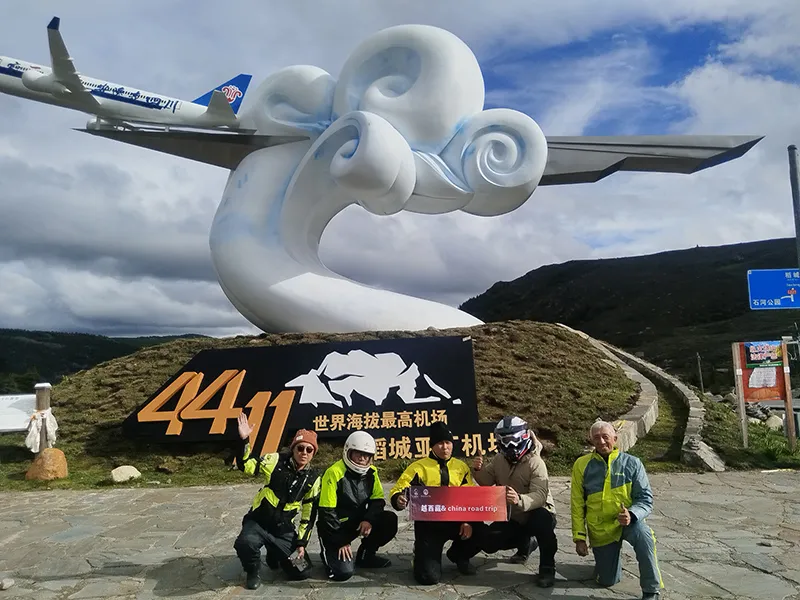
After Yanjing, the route reaches Mangkang, where the Yunnan–Tibet line joins the G318 Sichuan–Tibet South Route. From there it continues through Zuogong, Baxoi, Ranwu, Bomi, Lulang and Nyingchi to Lhasa. This section merges with the route from Chengdu, and the scenery gradually shifts from high mountain passes and deep gorges to lakes, forests and river valley villages. You can choose your stops according to your interests and give the views you love a little more time.
Lhasa and Beyond: Everest, Ngari & Xinjiang
-
Lhasa: A City Worth Staying In, and a New Starting Point
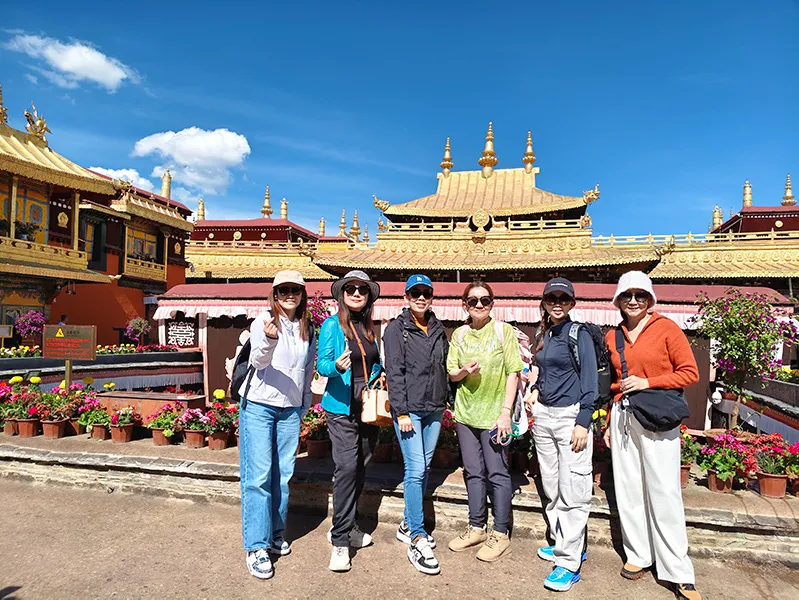
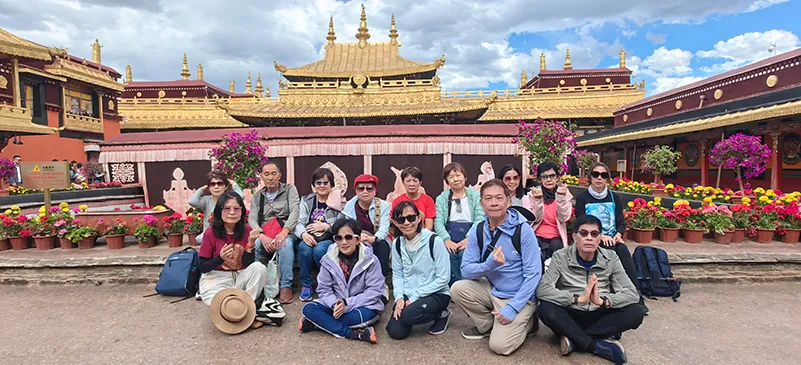
Lhasa is worth treating as a destination in its own right, not just a place you arrive at. The Potala Palace rises from the hillside, its red and white walls and golden roofs striking in the sunlight—visits require advance booking. The Jokhang Temple houses the Jowo Shakyamuni statue, and pilgrims are often seen in the square outside. In the early morning or toward evening, take a slow walk along Barkhor Street, which circles the Jokhang—watch the stream of pilgrims, wander into the old lanes and tea houses, and get a feel for everyday life in Lhasa.
 |
-
Toward Everest: Lakes, Historic Towns and Himalayan Views
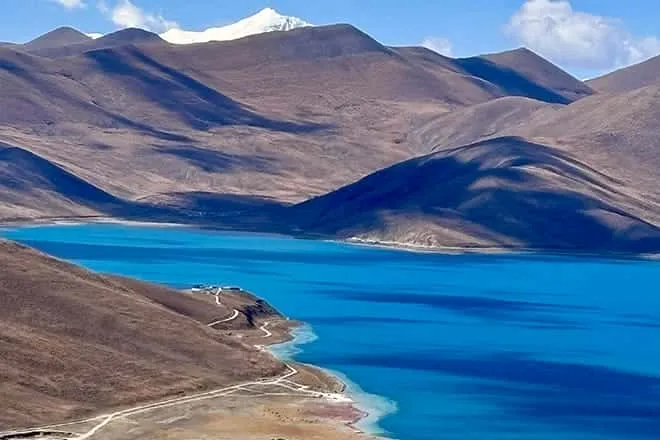
Heading from Lhasa via Yamdrok Lake and Gyantse to Shigatse is a classic way to approach Everest. As you cross Kamba La Pass, Yamdrok Lake comes into view—its winding shoreline, inlets and peninsulas give the water shades of blue that shift with the light. In Gyantse, the hilltop Gyantse Dzong and the tiered Kumbum at Pelkor Chode Monastery are highlights for travelers interested in Tibetan history, architecture and religious art. In Shigatse, Tashilhunpo Monastery, the seat of the Panchen Lamas, spreads across the hillside, and the Maitreya Chapel and the main assembly hall are well worth seeing.
 |
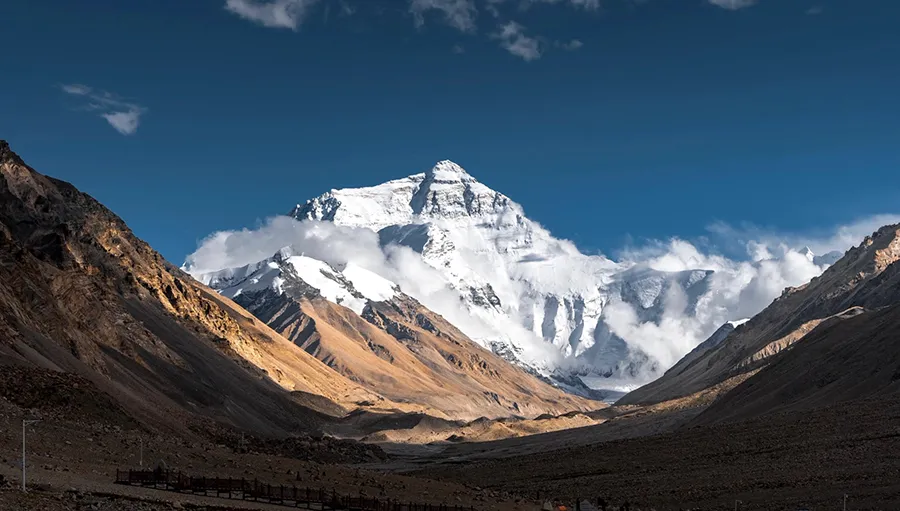
Gawu La Pass is a fine spot to take in the Himalayan range—on clear days, peak after peak stretches along the horizon. Continuing on to the Rongbuk Monastery area, the north face of Everest becomes the focus, with the monastery, valley and snow peak framing one another—a sight worth stopping for on this route.
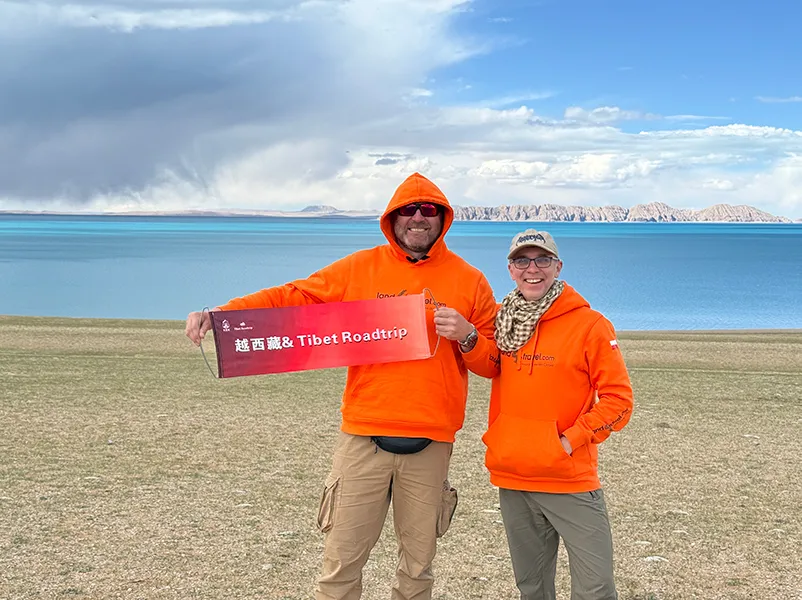
If you'd like to explore northern Tibet, consider adding a side trip to Namtso, where the broad lake lies against the backdrop of the Nyenchen Tanglha Mountains.
-
Toward Ngari: Sacred Mountains, Holy Lakes and Highland Wilderness
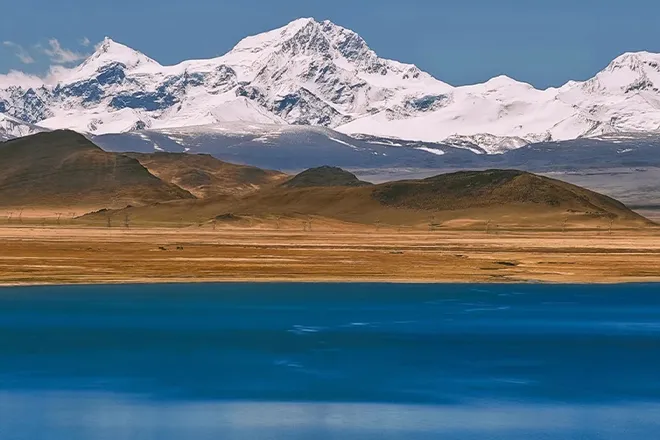
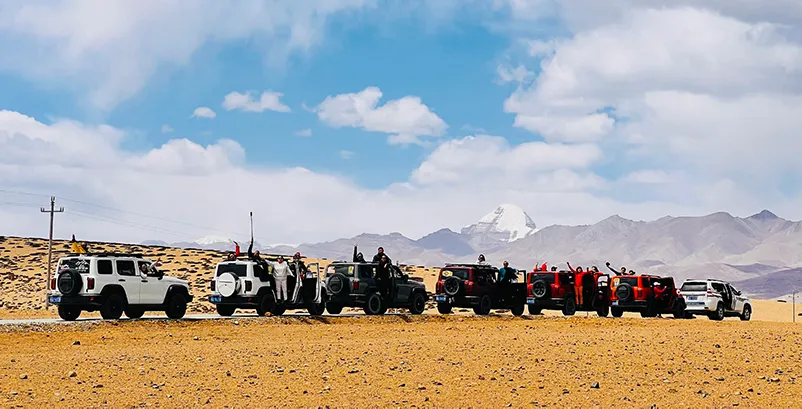
Mount Kailash and Lake Manasarovar are the most iconic stops in Ngari. Kailash's distinctive peak and religious significance draw both travelers and pilgrims; Manasarovar, with its open water, a backdrop of snow-capped mountains and lakeside scenery, shows the grandeur of a highland holy lake. Zanda Earth Forest and the Guge Kingdom ruins are the other side of Ngari—otherworldly earth formations, ravines and ancient buildings spread across the hillsides, offering a landscape completely different from eastern Tibet.
 |
-
Toward Xinjiang: Extending Your Tibet Trip into a Longer Road Journey
The Xinjiang–Tibet Highway (G219) links Tibet with Xinjiang. You can set out from Lhasa and include visits to Everest and Ngari along the way, adding Pangong Lake if it interests you. After reaching Yecheng, continue on to Kashgar, as the scenery gradually shifts from high snowy mountains and wilderness to oasis towns, old city lanes and tea houses.
You can add this journey to a trip from Chengdu or Kunming, or start directly from Lhasa. It's also possible to arrange a customized trip from Xinjiang toward Tibet—just confirm the direction and stops with us in advance.
How to Plan Your Tibet Road Trip
| What you're looking for | Route idea |
| The Sichuan-Tibet highway and western Sichuan scenery | Start from Chengdu, follow the G318 toward Lhasa, with optional detours to Mount Siguniang, Danba or Daocheng Yading |
| Yunnan culture and Yunnan-Tibet riding | Start from Kunming, ride the Yunnan-Tibet route to Lhasa, focusing on the highland transition through Yunnan |
| Most of your time inside Tibet | Arrive directly in Lhasa, then choose an Everest or Ngari route |
| A longer road journey | Combine Tibet and Xinjiang, confirming start, end and direction |
Before departure, we'll agree on a day-by-day itinerary covering driving or riding distances, sightseeing stops and accommodation. During the trip, we'll coordinate any necessary changes based on weather, road conditions, your wellbeing and permit requirements.
What to Prepare Before Driving or Riding in Tibet
Documents and permits: We assist with arranging your Tibet Travel Permit and any additional permits required for your itinerary. A guide accompanies you throughout the Tibet portion of the trip.
 |
Driving qualifications: We assist with the application for your Chinese temporary driving permit, but you must attend the vehicle administration office in person. The permit must cover the vehicle category you intend to drive or ride; a car permit does not cover motorcycles.
 |
Vehicle and gear: Choose a car or motorcycle suited to the road conditions and in good mechanical shape, and bring warm and rainproof clothing; riders should also have a helmet, gloves, riding suit and boots.
Health and acclimatization: There's no shortcut to acclimatization—take it slow at high altitude and stay hydrated. Travelers with underlying health conditions should consult a doctor in advance and confirm their insurance coverage.
Make Time for the Places Along the Way
Whether you start in Chengdu, Kunming, Lhasa or Xinjiang, the best route depends on the places you want to see and the time you have. Tell us your travel dates, group size, preferred travel style, and starting and finishing points, and we'll help you plan the stops and pace.
Ask a Quick Question & Free Enquiry

If you have a WhatsApp, please feel free to scan our WhatsApp code.