 +86-13981905144
 inquiry@chinaroadtrip.org
When is the Best Time to Drive or Ride in Tibet?
Written by China Road Trip | Updated 2026-9-18

Overall, the best travel windows are late April to early June and mid-September to mid-October.
Both periods usually offer relatively low rainfall, more stable road conditions, good visibility and comfortable daytime temperatures. The main differences are:
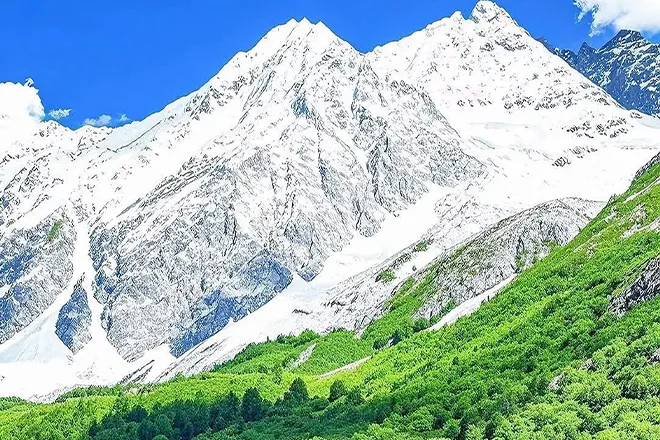
- Late April to early June: Snow and ice begin to melt in many areas, while snow-covered peaks and fresh greenery often coexist. Outside major public-holiday periods, this window is often less crowded than mid-summer. High mountain passes may still have residual snow in the early morning.
- Mid-September to mid-October: Autumn colours peak. Snow-capped mountains, lakes, grasslands and poplar forests are at their most photogenic, with excellent atmospheric clarity. Nights and high passes become noticeably colder. Snowfall can occur on high passes from autumn onward, sometimes earlier than expected.
- Critical reminder: Foreign visitors cannot travel independently within the Tibet Autonomous Region. The Tibet portion of the trip must be arranged through a qualified travel agency, with the required permits, an approved itinerary and a licensed guide. This does not necessarily mean you cannot drive or ride yourself: where permitted, the vehicle, driving documents, guide and route must be arranged and confirmed together by the agency in advance. Plateau weather and road access change from year to year. Always check real-time weather, traffic controls, roadwork and border-area policies with your travel agency before departure.
Choose your travel window by season
Late April to early June: Best overall conditions
 |
Weather, temperature, rainfall and visibility
- -Temperatures rise steadily in mid- and low-elevation river valleys, often 10–20°C during the day. Nighttime can still drop close to 0°C.
- -The rainy season has not fully arrived. Rainfall is limited and visibility is generally good.
- -Residual snow or black ice can remain on high passes, especially in the early morning and on shaded sections.
Pros and notes for self-drive travellers
- Pros: Roads are often drier and landslide risk is generally lower than during the peak rainy season, although weather-related disruptions remain possible. Outside major public-holiday periods, there are fewer tourists and accommodation is easier to find. Landscapes range from spring snow to fresh greenery.
- Notes: Ice may remain on high passes in the early morning. Avoid crossing passes before dawn, at night, or when the weather is worsening. Base decisions on daily forecasts, real-time road conditions and on-site instructions.
Pros and notes for motorcycle riders
- Pros: Daytime temperatures are suitable for riding. Rainfall is scarce, roads are often dry, and the riding experience is pleasant.
- Notes: Mornings and evenings are cold. Bring windproof and waterproof outerwear plus warm base layers. High passes can bring sudden temperature drops or snow flurries. Some expressways and road segments restrict motorcycles; confirm permitted routes before departure. Obey speed limits and slow down according to weather and road surface.
Possible issues: residual snow, low temperatures, high passes
- -Remaining snow can cause temporary traffic jams or access restrictions at passes.
- -Cold weather can affect motorcycle starting, tyre grip and finger dexterity.
- -Altitude sickness combined with cold increases fatigue, so avoid tight schedules.
Suitable for: First-time visitors to Tibet who want relatively stable roads and have flexible timelines.
Mid-September to mid-October: Best scenery and photography
 |
Autumn features: snow-capped mountains, lakes, grasslands and visibility
- By mid-September, rainfall often becomes less persistent in many areas, although conditions vary by route and year. Views of snow-capped mountains are often especially clear.
- Autumn colours are especially attractive on the western Sichuan approach around Xinduqiao, as well as around Ranwu Lake, Nyingchi and Shannan in Tibet.
- Many lakes are at relatively high seasonal water levels and can appear especially vivid after the summer rains. Grasslands shift from green to golden, offering good opportunities to photograph sunrise on snow-covered peaks.
Pros and notes for self-drive travellers
- Pros: Roads are often drier and landslide risk is generally lower than during the peak rainy season, although weather-related disruptions remain possible. This period often brings more settled conditions, making it a good time for long-distance driving.
- Notes: Snowfall can occur on high passes from autumn onward, sometimes earlier than expected. Try to finish key parts of your trip before mid-October. Overnight cold can create ice on bridges and shaded bends. Avoid crossing passes before dawn, at night, or in worsening weather. Follow daily forecasts, road updates and on-site guidance.
Pros and notes for motorcycle riders
- Pros: Many sunny days, excellent sightlines and spectacular landscapes.
- Notes: Day-night temperature differences are large, and wind chill is severe on high passes. Bring winter riding gloves, windproof face coverings and thermal layers. Minimise night riding. Some expressways and segments restrict motorcycles; verify allowed routes before departure. Respect speed limits and slow down for weather-related hazards.
Risks: nighttime cold, ice and early snowfall
- -From late September, nighttime temperatures at high elevations can fall below freezing.
- -October cold snaps may cause temporary pass closures.
- -Drivers should check antifreeze and tyre condition. Riders must watch for black ice and guard against hypothermia.
Suitable for: Travellers chasing autumn scenery and mountain-lake photography who can tolerate cold mornings and evenings.
June to August: Rainy season requires extra buffer time
 |
What the rainy season is really like: not constant rain, but frequent afternoon showers
- -The rainy season does not mean heavy rain every day or nonstop precipitation.
- -A common pattern: relatively sunny mornings, thicker clouds in the afternoon, then rain in the evening or overnight.
- -Night rain is frequent. The next morning, canyon sections may have rockfall, standing water or small landslides.
- -Rainfall patterns vary widely between river valleys, mountain passes and western Tibet.
Impact on driving yourself: landslides, mudflows, falling rocks, standing water, temporary traffic controls
- -Canyon sections along the Sichuan-Tibet and Yunnan-Tibet routes carry the highest risk.
- -Heavy rain can trigger temporary traffic restrictions. Never speed through flooded stretches; water can enter the engine and stall the vehicle.
- -Do not force your way past traffic barriers or landslide debris.
Impact on motorcycle touring: slippery roads, strong winds, poor visibility, waterproofing, warmth
- -Wet roads lengthen braking distances and raise cornering risks.
- -Sudden strong winds, hail and brief low visibility can occur without warning.
- -Keep rain gear ready to wear. Do not wait until it starts raining to stop and suit up.
- -Novice riders are advised against riding the core canyon sections of the Sichuan-Tibet Route in July and August.
Rainy-season scenic highlights: greener grasslands and fuller lakes
- -On the western Sichuan approach to Tibet, Maoya Grassland is at its greenest; Nagqu Grassland in Tibet also reaches its lush summer state.
- -Many lakes are at relatively high seasonal water levels and can appear especially vivid after the summer rains.
November to March: Winter is not recommended for regular motorcycle touring
 |
Winter temperatures, snow and ice, reduced services
- -High-altitude areas can drop to -20°C or lower.
- -Some roadside services may operate on reduced hours or close temporarily in winter, especially away from major towns.
- -Snow and ice are common on high passes, and rescue response is limited.
Self-drive requirements: experience, vehicle capability, winter traction equipment, emergency supplies
- 1.A 4WD off-road vehicle with snow tyres or snow chains is recommended.
- 2.You need ice-and-snow driving experience. Avoid nighttime travel.
- 3.Winter self-drive travel is not suggested for first-time visitors to Tibet.
Motorcycle touring advice: not advised for mainstream trips
- 1.Low temperatures make fingers stiff. Two-wheel vehicles are far less stable than four-wheelers on black ice.
- 2.If you crash or break down in a remote area, rescue can be extremely difficult.
- 3.Winter motorcycle travel to Tibet is only for a very small number of highly prepared, experienced riders.
Routes with relative accessibility vs. high-altitude or remote sections to avoid
- -Some low-elevation roads around Lhasa and parts of Nyingchi may remain open in winter.
- -Use extreme caution on the Tanggula Pass section of the Qinghai-Tibet Route, the Xinjiang-Tibet Route G219, and the Qiangtang section of G216.
- -Confirm road closure status and traffic controls before setting off.
Winter advantages: fewer tourists, striking snow scenery, possible off-season savings
- -Fewer visitors and possibly lower accommodation rates.
- -Snow peaks, frozen lakes and glaciers offer unique views.
- -These benefits only apply with full preparation and strict safety priorities. Reckless winter adventuring is discouraged.
Suitable for: Experienced self-drive travellers with ice-and-snow driving skills, well-equipped vehicles and tolerance for uncertainty. Motorcycle touring is generally not recommended.
Best travel windows for different routes into Tibet
This section focuses on each route’s best window, its special rainy-season and winter problems, and whether it suits beginners. Equipment and altitude-sickness advice appear in Section 5.
Sichuan-Tibet Route G318: One of the more practical routes in late spring and early autumn
 |
- Recommended seasons: Best: May–June and September–October. Acceptable: April and late October, but watch for residual snow and early snow.
- Rainy-season hazards: July–August brings frequent landslides, mudflows and falling rocks. Temporary traffic closures may affect canyon sections. Build buffer days into your itinerary.
- Winter hazards: Snow and black ice cover high passes, and conditions worsen on some segments.
- Beginner-friendliness: Relatively suitable for first-time overland visitors because services and supply points are more developed, but it is not a low-risk route for inexperienced mountain drivers or riders. Motorcycle riders should confirm which road sections are legally permitted for their planned route.
Yunnan-Tibet Route G214: Great for leisurely spring and autumn travel
 |
- Recommended seasons: Best: late April–May and late September–October. Avoid the core rainy period from mid-June to late August.
- Rainy-season hazards: Northwest Yunnan and southeast Tibet receive heavy rain, raising landslide risk. After Markam, whether you travel on high-altitude sections of G318 depends on your complete itinerary.
- Winter hazards: Mountain passes may hold snow and ice, and some segments may be uncertain or closed.
- Beginner-friendliness: Feasible, but roads are narrow and winding, with heavy truck traffic and rain-related congestion. Best for travellers with enough time to go slowly.
Qinghai-Tibet Route G109: May–October travel window
 |
- Recommended seasons: Best: May–June and September. Acceptable: July–August, but heavy traffic and frequent jams are common. Avoid the extreme cold from November to April.
- Route features: High average elevation, strong winds, and permafrost-affected sections are the main challenges. The Golmud–Nagqu section is undergoing a major reconstruction programme during the 2025–2028 period. Traffic controls, construction delays and route adjustments may occur, so confirm the latest arrangements before booking.
- Summer / rainy-season hazards: Heavy vehicle volumes, traffic jams, permafrost subsidence, and roadwork-related delays.
- Winter hazards: Severe cold, snow and ice, and reduced roadside services.
- Beginner-friendliness: The route can work well for agency-arranged self-drive itineraries, but altitude-sickness risk is high across the whole route. Motorcyclists should carefully assess fitness and weather.
Xinjiang-Tibet Routes G219 and G216: Late May to early October
 |
- Recommended seasons: Best: June–September. Late May is possible with extra caution. Risks rise quickly in October.
- Route features: Covers Ngari and Qiangtang, crosses many high passes, and has sparse supply points. Fuel, mobile service and resupply conditions change; verify details for your exact route before departure.
- Vehicle and rider requirements: Rugged 4WD off-road vehicles are preferred. Novice motorcyclists should skip these routes. Solo single-vehicle crossings are discouraged.
- Hazards from sudden weather, low temperatures and remoteness: Passes can see sudden snowfall, hail and high winds. Extreme nighttime cold may prevent vehicles from starting. Always confirm road closure status and traffic controls before departure.
- Beginner-friendliness: Not suitable for beginners.
Key characteristics of Tibet’s plateau weather
Large day-night temperature difference
In sunlight, daytime temperatures may reach 15-24°C, while nighttime can drop near 0°C. Pack warm insulating layers regardless of season.
Strong ultraviolet radiation: sun protection even on cloudy days
Tibet receives powerful solar radiation, with UV levels far higher than on low-elevation plains. SPF50+ sunscreen, polarised sunglasses, face coverings and sun hats are essential.
Sudden high winds, hail and snowfall
Plateau weather changes fast. A clear morning does not guarantee safe pass-crossing conditions in the afternoon. Avoid crossing passes before dawn, after dark, or in worsening weather. Follow daily forecasts, road reports and on-site instructions.
High passes may hold snow or ice year-round
Passes and mountain sections such as Dongda Pass, the Mila Mountain area, Tanggula Pass and Jieshan Daban can experience snow or black ice even in summer.
 |
Sun, rain, snow and strong wind can all occur on one route
“Four seasons in one day” is common in Tibet. Dress in layers and build flexible buffer time into your itinerary.
General pre-departure preparations
Build a sensible itinerary for your season and route
- -Do not plan overly long daily driving distances. Avoid night driving.
- -Motorcyclists should slow down for weather and road conditions. Do not overtake on bends, and avoid sustained heavy braking.
- -Reserve buffer days for both rainy-season and winter travel.
Documentation and travel-agency arrangements (important for foreign visitors)
Foreign visitors cannot travel independently inside the Tibet Autonomous Region. The Tibet portion of your itinerary must be arranged through a qualified travel agency, with the required permits, an approved itinerary and a licensed guide.
Confirm these items well before your trip:
- Tibet Travel Permit: Obtained through a qualified travel agency.
 |
- Additional route-specific permits: Extra permissions may be required for border areas, Everest Base Camp, Ngari and similar destinations.
- Agency-arranged travel framework: Your vehicle arrangement, licensed guide, permits and approved route must be coordinated by the travel agency. Independent off-program travel is not allowed.
- Temporary Chinese driving permit: Foreign driving licences and IDPs are not valid on their own in mainland China. If you will drive a car or ride a motorcycle yourself, you need the appropriate temporary Chinese driving permit for that vehicle category. Your agency should confirm the exact arrangement before booking.
 |
- Policies for foreign passport holders, Taiwan residents, and Hong Kong/Macao residents: Rules differ and can change. Confirm the latest requirements with your travel agency, which will verify the relevant tourism, public-security and border-permit arrangements for your route.
Verify weather, road status and temporary traffic controls before departure
- -Monitor updates from the Tibet Department of Transport, traffic police, local tourism authorities and road-condition channels.
- -Pay special attention to pass-specific snow, rain, high winds and construction.
Pack thermal, sun-protection, waterproof and emergency supplies
- -Hard-shell jacket, down jacket, thermal base layers, waterproof footwear.
- -Sunscreen, sunglasses, lip balm.
- -Oxygen canisters.
- -Personal prescription medication, plus any over-the-counter medicine recommended by a doctor or pharmacist.
- -Emergency thermal blankets, high-calorie food and drinking water.
Safety note: Portable oxygen may provide short-term comfort, but it does not replace descent or medical care if altitude symptoms worsen. Bring personal medication and seek medical advice before using any medicine that may affect alertness while driving or riding.
Learn about altitude sickness and schedule acclimatisation time
- Focus on symptoms rather than fixed numbers: headache, nausea, vomiting, chest tightness, insomnia, confusion and so on.
- Allow your body time to adapt after arriving on the plateau. Avoid strenuous exercise, heavy alcohol consumption and overeating.
- If symptoms worsen, stop ascending. Descend to lower elevation and seek medical care when necessary.
- For severe altitude sickness—difficulty breathing, altered mental state or unsteady gait—descend immediately and get medical help.
Vehicle checks for self-drive travel and motorcycle touring
- Driving yourself: Check brakes, antifreeze, tyres, spare tyre, snow chains, tow rope, jumper cables and tyre inflator.
- Motorcycle touring: Inspect chain, brakes, tyre pressure, tyre-repair plugs, jump-starter power bank, spare keys, rain gear and protective riding equipment.
- Download offline maps and GPS tracks in advance.
Travel insurance
Confirm that your policy covers high-altitude travel, self-drive travel or motorcycle riding, accident-related medical treatment, and emergency evacuation. Keep your insurer’s emergency contact number accessible offline.
Payment, fuel and mobile coverage
In remote areas, network coverage, fuel stations, repair services and payment options can be limited. Do not rely only on mobile payments or online navigation. Carry backup payment options, including a small amount of cash and a pre-linked payment tool where possible. Keep the vehicle fuelled whenever reliable fuel is available, and have your agency confirm planned fuel stops in advance. Confirm communications conditions for your exact route.
Choose timing based on your route and travel style
- First trip to Tibet, prioritising stable roads: Late April to early June.
- Autumn scenery and mountain-lake photography: Mid-September to mid-October.
- Only available in summer vacation: Accept rainy-season risks, add buffer days, and avoid canyon sections during heavy rain.
- Winter self-drive travel: Only for well-prepared, experienced drivers.
- Top pick for motorcycle touring: Late spring–early summer or early autumn.
- For foreign visitors: You cannot travel independently within the Tibet Autonomous Region. The Tibet portion of your itinerary must be arranged through a qualified travel agency, with permits, an approved route and a licensed guide. Where permitted, you may drive or ride yourself, but the vehicle, driving documents, guide and route must be arranged and confirmed together by the agency in advance.
One takeaway: Travelling in Tibet is possible, but you need to choose the right time, pick suitable routes, build in flexibility, and comply with local rules for foreign visitors.
FAQs
- Can sudden heavy snow, hail or high winds hit high passes during the summer rainy season?
Yes. Tibet’s rainy season does not mean high elevations get only rain. Passes above 4,500 m or even 5,000 m can see snowfall, hail, powerful gusts or brief poor visibility in June–August as weather changes rapidly. A fine morning does not guarantee safe pass-crossing later that day. Both drivers and riders should avoid crossing passes before dawn, after dark, or in worsening weather. Follow daily forecasts, road updates and on-site directions.
- Should I avoid the rainy season for my first self-drive trip to Tibet?
Not necessarily. Rainy-season travel suits people with flexible schedules who can accept rerouting or waiting for roads to reopen. If you are visiting for the first time and want more stable roads, choose late April–early June or mid-September–mid-October.
- When is the best time to ride a motorcycle in Tibet?
Generally, late spring–early summer and early autumn offer the best conditions. Rainfall is relatively limited, roads tend to be more stable, and daytime riding is more comfortable. Winter brings high ice risk on high-altitude roads, so it is not recommended for standard motorcycle tours. Confirm permitted routes before departure, because some expressways and road segments restrict motorcycles.
- Will Tibet be too cold in October?
Daytime in sunlight is usually tolerable, but mornings, evenings and high passes are much colder. Nighttime can reach or fall below freezing. Self-drive travellers need warm clothing. Motorcyclists should also bring windproof and waterproof outer layers, thermal base layers and winter-weight riding gloves.
- Can I still drive myself in Tibet during winter?
Some major highways and routes around cities may remain passable. However, risks rise significantly on high passes, in remote areas and on long wilderness stretches. Base your decision on real-time weather, road closure status, vehicle capability and advice from your travel agency. Winter is not recommended for a first motorcycle tour in Tibet.
- Can foreign visitors drive or ride motorcycles independently in Tibet?
Foreign visitors cannot travel independently in Tibet. The Tibet portion of the trip must be arranged through a qualified travel agency, with the required permits, an approved itinerary and a licensed guide. This does not automatically mean you cannot drive or ride yourself. Where permitted, you may drive or ride your own or an agency-arranged vehicle, but the vehicle, temporary Chinese driving permit for the correct vehicle category, guide, permits and route must be coordinated and confirmed by the agency in advance. Foreign driving licences and IDPs are not valid on their own in mainland China. Do not assume that driving yourself is available for every route or itinerary. Confirm the latest requirements with your travel agency, which will verify the relevant tourism, public-security and border-permit arrangements for your route.
Ask a Quick Question & Free Enquiry

If you have a WhatsApp, please feel free to scan our WhatsApp code.