 +86-13981905144
 inquiry@chinaroadtrip.org
Fuel Stops, Breakdowns and Road Support
Written by China Road Trip | Updated 2026-11-4

Riding a motorcycle to Tibet raises practical questions that matter as much as the scenery: Is fuel available along the route? What happens if the bike breaks down? Can parts be found for a less common model? And what exactly does a support vehicle do? Our Tibet motorcycle tours include a support vehicle, with routes, fuel stops and logistical arrangements planned before departure. This guide focuses on fuel, repairs, and support services.
Fuel Along the Route: What Riders Actually Encounter
Fuel availability in Tibet depends heavily on which road you take. The Chengdu–Lhasa approach and the Yunnan–Lhasa approach are different from routes heading towards Ngari or Xinjiang, and planning should reflect that difference.
On the Chengdu–Lhasa approach, Litang and Batang are useful towns around which to plan fuel stops before entering Tibet. The Yunnan approach follows G214 to Mangkam, where it joins G318. From there, both routes continue through Zogang, Baxoi, Bomi and Nyingchi towards Lhasa. Check the actual stations and available petrol grades along each day’s route rather than treating the distance between towns as the distance between fuel stops.
Routes towards Ngari and Xinjiang need more careful planning. On G219, Duoma is a known supply node, and Shiquanhe is the main town in western Tibet for supplies. On branches away from the main towns, supply points are fewer and riders should not treat a mapped station as a guaranteed stop.
 |
Three practical checks follow. First, leave the last reliable supply town with a full tank, not a comfortable-looking gauge. Second, confirm the grade before relying on a station: do not assume that 95-octane, or any specific grade, is available everywhere. Third, ask locally about the next station’s current status—opening hours, supply interruptions and any local refuelling procedures. If carrying spare fuel is considered necessary, the applicable requirements should be checked in advance.
We incorporate these considerations by planning each day around named supply towns and range-critical sections, adjusting fuel stops to the motorcycle’s actual consumption and the conditions reported on the route. Where a section needs a larger margin, we discuss it with riders before departure rather than relying on a fixed daily routine.
Repairs and Breakdowns: Where Workshop Access Is Realistic
Workshop access in Tibet is more practical in larger towns and county seats along the main corridors, especially Lhasa, Shiquanhe and Yecheng at the Xinjiang end. Some county towns along G318 and G214 have general vehicle repair services, but their ability to work on your motorcycle and source suitable parts needs to be checked separately.
Model-specific parts are the main constraint. Shops along the route tend to stock consumables and parts for common commuter and work motorcycles. A less common imported model, a specific tyre size or a proprietary component may not be available even in a county town, and sourcing it can take days. Discuss suitable puncture-repair equipment, tools and model-specific spares before departure, based on your motorcycle and tyre setup.
 |
- Check your motorcycle's tyres, brakes, fluid levels and overall condition before departure.
If a fault cannot be resolved at the roadside, the realistic sequence is: secure the motorcycle in a safe location, establish whether a workshop can attend or whether the bike must be transported, and then decide whether the rider continues on the itinerary or waits. The time required depends on the fault, the location and parts availability. We help assess the situation, contact a suitable workshop, and coordinate transport and any affected accommodation or onward travel. Repair, parts and transport costs are confirmed according to the actual situation and the booking terms; vehicle insurance is explained separately and should not be read as covering every repair or loss.
Using a Motorcycle Arranged Through Us or Bringing Your Own into China
Using a motorcycle arranged through us reduces the paperwork and coordination involved in bringing a foreign-registered vehicle into China. Before departure, we confirm the available model, collection and return locations, driving eligibility and relevant rental terms. At handover, we help check the motorcycle’s condition, familiarise you with its controls and explain whom to contact if a problem occurs.
 |
Bringing your own foreign-registered motorcycle requires earlier planning. First, send us your proposed travel dates, entry and exit points, rider documents and vehicle details. We will assess the proposed arrangement and explain the applicable requirements, including temporary vehicle import procedures, customs formalities, temporary vehicle documents, driving permission and Tibet travel permits.
The documents, processing time and arrangements depend on the entry plan and itinerary. Vehicle entry procedures must be confirmed before you travel to the border. We will also discuss model-specific tools, spare parts and repair support, as these may be harder to source along the route.
What the Support Vehicle Does During a Riding Day
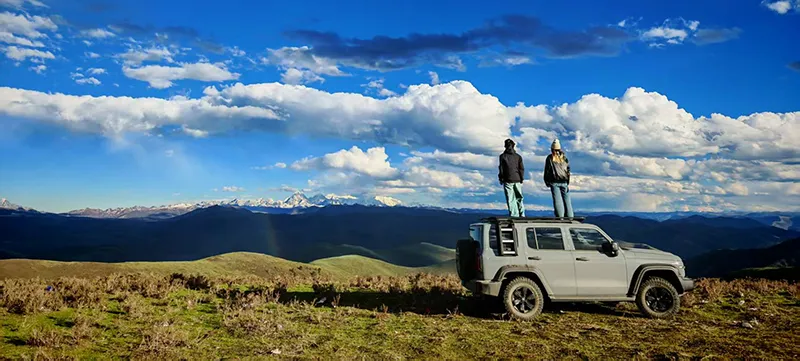
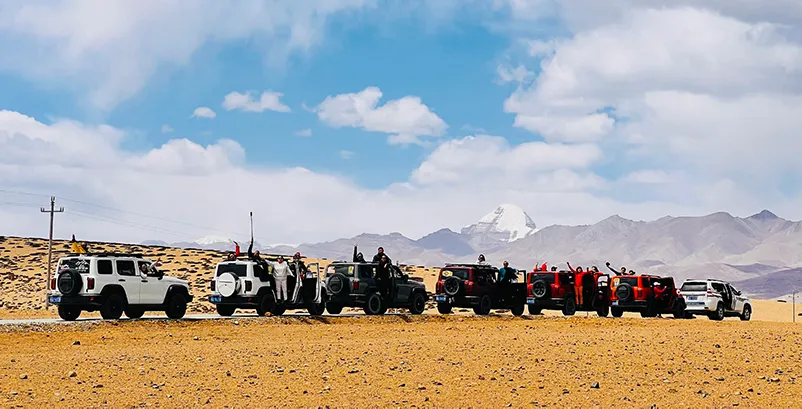
Our Tibet motorcycle tours include a support vehicle to carry main luggage and assist with logistics along the way. The vehicle travels the day’s route with the group and provides a known point of contact if a rider stops or falls behind. Keep documents, drinking water, personal medication and any layers you may need before the next agreed stop with you.
 |
If a motorcycle breaks down, the support team helps assess the situation, contact repair assistance and coordinate the next steps. Motorcycle transport arrangements, onboard tools, spare parts and support personnel are confirmed before departure.
For a detailed checklist, see our Tibet Packing List for Self-Drive and Motorcycle Tours.
Additional Needs Can Be Discussed in Advance
If you need extra equipment, model-specific spare parts, additional luggage space or other logistical support, let us know during the planning stage. We will discuss what can be arranged and confirm preparation time and any additional costs.
 |
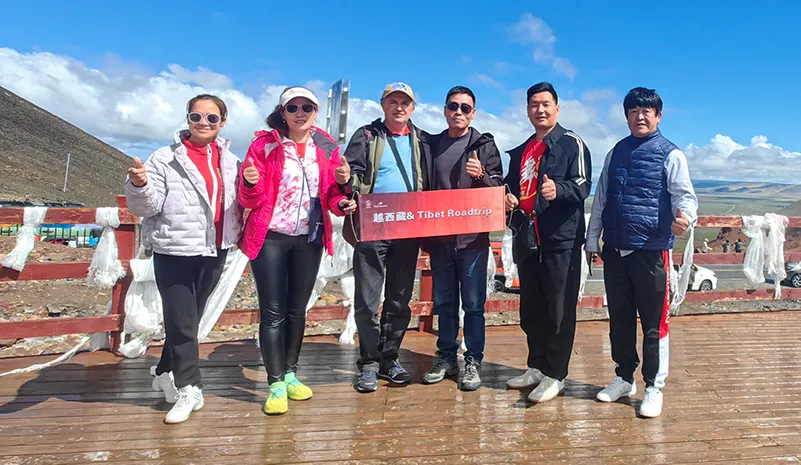
- Before the trip begins, our guide explains the itinerary, safety precautions and support arrangements to the group.
Try to settle requirements before departure rather than searching for special items once you are in a remote area. For foreign visitors, routes and permits must be arranged in advance; fuel planning, repair preparation, and support-vehicle arrangements are then coordinated around the confirmed itinerary.
Plan Your Tibet Motorcycle Tour Support
Tell us your riding experience, travel dates, whether you are bringing your own motorcycle or using a motorcycle arranged through us, and any extra support you need. We will coordinate supplies and support accordingly, so that before departure you know clearly whom to contact if something goes wrong and what support is available.
Ask a Quick Question & Free Enquiry

If you have a WhatsApp, please feel free to scan our WhatsApp code.