 +86-13981905144
 inquiry@chinaroadtrip.org
A practical packing checklist for Tibet road trips
Written by China Road Trip | Updated 2026-9-22

A road trip in Tibet is not an ordinary drive or motorcycle tour. High altitude, thin air, large day-to-night temperature swings, strong UV exposure, high winds, and rapidly changing weather all make packing more demanding. Some remote stretches are long, with limited places to buy supplies and limited access to medical care. If you forget something essential, it can be very hard to replace it along the way. Whether you are driving or riding, the principles are the same: pack light, keep warm, protect yourself from wind and rain, and keep your documents, medication, and daily essentials within easy reach.
Documents and Paperwork to Confirm Before Departure
Foreign travelers should confirm their documents well in advance. You will usually need:
- 1. Passport, a valid Chinese visa (unless you are eligible for visa-free entry), and copies
- 2. Tibet Travel Permit and other permits required for your itinerary
 |
- 3. Foreign driver’s license, an appropriate Chinese temporary driving permit, and any required translation
 |
- 4. Travel insurance information, emergency-contact details, and travel agency contact details
- 5. Confirmed itinerary, accommodation details, and vehicle collection arrangements
For motorcycle tours, your driving eligibility must match the motorcycle category and the confirmed vehicle arrangement. Do not assume that a temporary permit issued for a rental car also allows you to ride a motorcycle. Confirm the requirements with your travel agency before booking.
Important: For foreign travelers, self-drive or motorcycle trips in Tibet must be arranged in advance by a qualified travel agency, and required permits must be obtained according to the actual route. If your itinerary includes Everest Base Camp, Ngari, or other border areas, additional permits are usually required based on the confirmed route; your travel agency will coordinate the required permits as part of the confirmed itinerary. We recommend preparing paper copies and electronic backups of essential documents. However, passports, visas, Tibet-related permits, and other original documents should still be kept safely with you in accordance with your travel agency's instructions.
How Should You Pack Clothing for High-Altitude Weather?
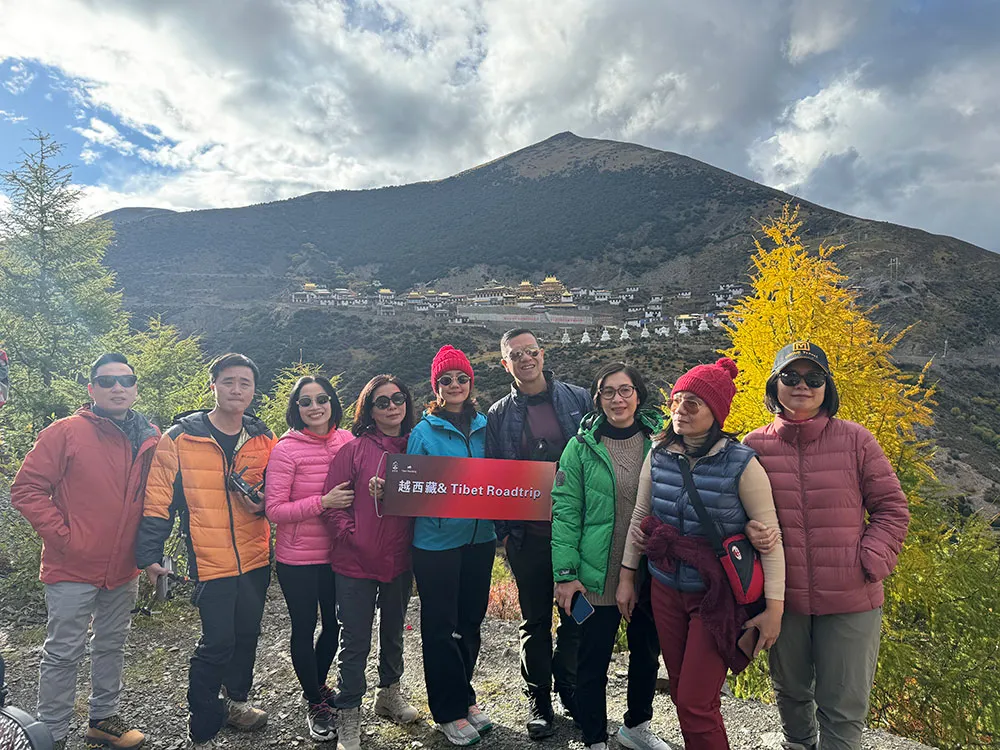
Layering is more practical than packing many thick clothes. In Tibet, you can experience sunshine, strong wind, a temperature drop, and even rain or snow in a single day.
- Dress in base, mid, and outer layers:
- - Quick-drying base layers or thermal underwear
- - A fleece, wool sweater, or lightweight down layer
- - Windproof and waterproof outer jacket
- - Warm hat, neck gaiter, insulated gloves
- - Warm socks and comfortable shoes with good grip
- Sun and wind protection are also essential:
- - UV-protection sunglasses
- - Sunscreen
- - Lip balm
- - A wide-brimmed or packable sun hat
Even in summer, mornings and evenings at high altitude can be cold. A lightweight down jacket or fleece layer is often more useful than one heavy coat.
 |
High-Altitude Health and Personal Emergency Items
Pack high-altitude health supplies around four needs: routine medications, first aid, hydration, and energy:
- Personal medications and prescription medicines
- Basic first-aid supplies
- An insulated bottle or reusable water bottle, plus electrolytes
- Energy bars, nuts, or other high-calorie snacks
- Wet wipes, tissues, hand sanitizer
- Portable oxygen, depending on your personal condition
Note: Oxygen is only a temporary aid. If you have severe or persistent symptoms of altitude sickness, stop ascending immediately, tell your guide, and descend or seek medical care as advised. Do not rely on oxygen to push through.
Electronics, Navigation, and Daily Essentials
- - Phone, charging cables, and power bank
- - Offline maps downloaded in advance
- - Camera, spare batteries, and memory cards
- - A travel adapter suitable for your devices
- - Reusable water bottle
- - Small daypack
- - Waterproof stuff sacks or zip-top bags
Mobile signal can be unreliable on some sections of the route. Offline maps and a power bank are very important. Waterproof bags not only protect against rain but also keep out dust and help organize small items.
What Should Self-Drive Travelers Pack in Addition?
If you are driving, make use of the space in your vehicle, but do not bury daily essentials at the bottom of large luggage:
- √ Day bag: passport, permits, medications, water, and a warm layer
- √ Snacks, drinking water, and tissues kept within easy reach in the car
- √ Motion-sickness medication or personal emergency medications
- √ Umbrella or light rain jacket
- √ Spare glasses or contact lens care supplies
It is best to keep daily items separate from large luggage so you do not have to dig through your bags by the roadside. Vehicles, basic tools, and specific support arrangements during the trip are subject to the services confirmed by your travel agency.
 |
What Should Motorcycle Riders Carry?
Motorcycle riders need to control weight and volume more strictly. Items you should keep within easy reach while riding include:
- √ Passport, required permits, and backup copies stored separately
- √ Phone, power bank, and charging cable
- √ Water, snacks, and personal medications
- √ Sunglasses, sunscreen, and lip balm
- √ Warm mid layer, rain layer, and neck gaiter
- √ Riding gloves; spare gloves are recommended
- √ Camera and small valuables
- Essential riding gear includes:
- √ A properly fitting helmet
- √ Armored riding jacket and pants
- √ Waterproof riding boots with good grip and ankle support
- √ Windproof, waterproof riding gloves
- √ Rain suit or waterproof outer layer
- √ Thermal base layer and windproof neck gaiter
Whether helmets, riding gear, protective equipment, or other items are provided depends on the confirmed itinerary and services. If you need to bring your own, confirm the specific standards and sizes in advance.
How Does the Motorcycle Support Vehicle Carry Luggage?
Our Tibet motorcycle tours include a support vehicle to carry riders’ main luggage, spare clothing, toiletries, and other items they will not need during the day. Riders do not need to strap large bags or heavy gear to their motorcycles, allowing them to focus on the road and changing weather conditions.
 |
However, passports, permits, personal medications, water, warm layers, and valuables should still be carried with you. We recommend packing your main luggage in a clearly labeled soft bag or suitcase so it is easy to access when you arrive at your accommodation each day.
What Should You Not Overpack?
- × Too many bulky, single-purpose thick clothes
- × Ordinary, non-waterproof luggage bags
- × Unnecessary valuables
- × Large amounts of food that spoils easily or must be refrigerated
- × Large camera equipment, drones, or special equipment not confirmed in advance
- × Excess luggage
For a Tibet road trip, practical, light, and easy-to-organize gear is best. Bringing more does not mean being safer; bringing the right items does.
Quick Pre-Departure Checklist
- Documents
- -Passport, visa, Tibet-related permits
- -Driver's license and appropriate temporary driving permit
- -Itinerary, insurance details, emergency contacts
- Clothing
- -Layered warm clothing
- -Windproof and waterproof outer layer
- -Sun protection, hat, gloves, warm socks
- Health and Daily Essentials
- -Personal medications, basic first-aid supplies
- -Water, snacks, electrolytes
- -Power bank, offline maps, tissues, waterproof bags
- Motorcycle-Specific Checks
- -Helmet, riding protective gear, riding boots, and gloves
- -Day bag packed with essentials
- -Main luggage handed over to the support vehicle
FAQs
- Do I need a down jacket in Tibet in summer?
We recommend bringing a lightweight down jacket or fleece layer. Temperatures can vary greatly between day and night at high altitude, and conditions can change quickly.
- Should I bring my own oxygen for a self-drive or motorcycle trip in Tibet?
You may bring portable oxygen depending on your personal needs, but it is only a temporary aid. If you have severe or persistent altitude sickness, stop ascending, tell your guide, and descend or seek medical care if necessary.
- Can I buy water, snacks, and daily supplies along the way?
Usually yes in towns, but there are few supply points on remote sections. It is best to bring your own water and snacks in advance.
- Can I give all my motorcycle luggage to the support vehicle?
Your main luggage can travel in the support vehicle, but documents, medications, water, warm layers, and valuables should be carried with you.
- Can foreign travelers drive or ride a motorcycle independently in Tibet?
No. Foreign travelers cannot travel independently within the Tibet Autonomous Region. Self-drive and motorcycle tours must be arranged in advance through a qualified travel agency, with the required permits and confirmed travel arrangements.
Before departure, confirm your itinerary, documents, and gear item by item, and keep daily essentials within easy reach. Travel light, stay warm, and prepare for wind and rain so you can better handle the ever-changing road conditions and weather on the Tibetan Plateau.
Ask a Quick Question & Free Enquiry

If you have a WhatsApp, please feel free to scan our WhatsApp code.