 +86-13981905144
 inquiry@chinaroadtrip.org
A Foreign's Self-Drive Guide
Written by China Road Trip | Updated 2026-8-11

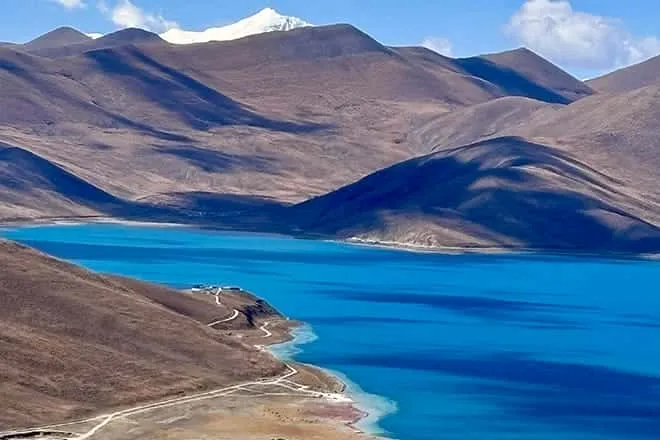
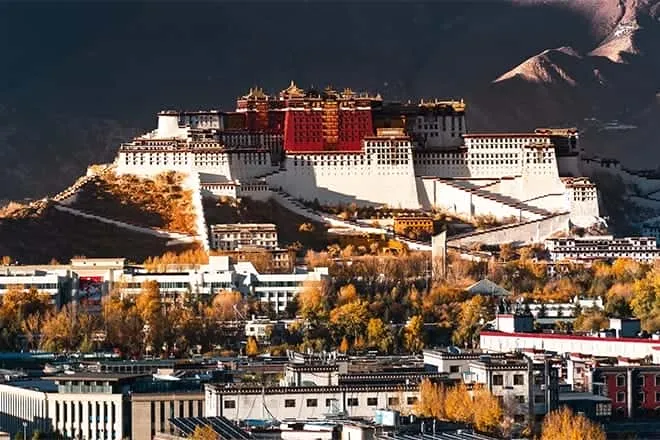
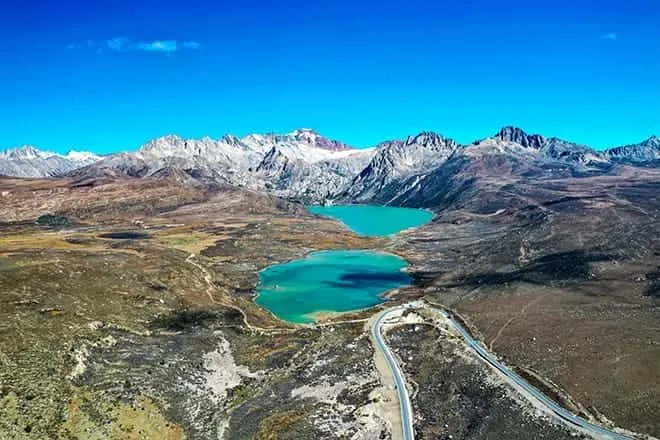
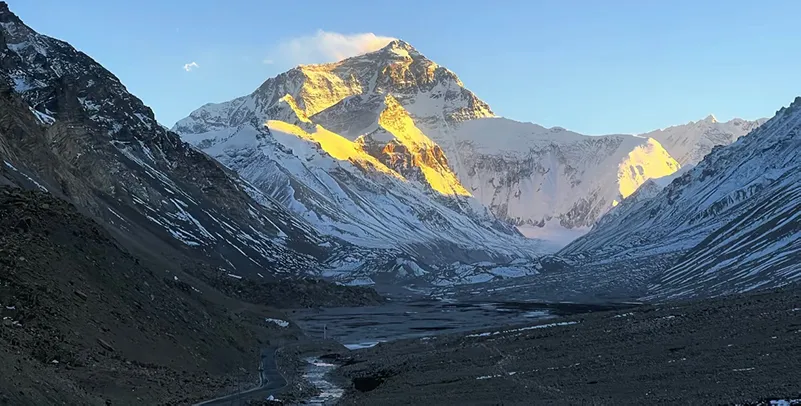
Tibet has long been a dream destination for road-trip lovers: winding mountain highways, snow-covered peaks, endless plateaus, and some of the most breathtaking landscapes on Earth. For many foreign travellers, driving across Tibet feels like the ultimate adventure.
But a Tibet self-drive journey is very different from a normal road trip. Foreign visitors face unique requirements, including travel permits, driving regulations, altitude challenges, and route restrictions that are easy to overlook.
Before you turn the key and start your journey across the Tibetan Plateau, here are 10 things nobody tells you about driving to Tibet — and how to prepare for them.
1.You Cannot Just Drive to Tibet — Permits Come First
Unlike many destinations where travellers can simply rent a car and start exploring, Tibet has special travel requirements for foreign visitors. A Tibet self-drive journey requires advance planning, including travel permits, route arrangements, and coordination with a licensed Tibet travel agency. Foreign travellers cannot simply arrive in China, rent a vehicle, and drive across Tibet without the required documents and arrangements.
The first and most important document is the Tibet Travel Permit (TTP). It is required for foreign visitors travelling to Tibet and must be arranged through an authorised travel agency before entering the region.
 |
- Tibet Travel Permit (TTP)
However, the TTP may not be the only approval you need. If your route includes destinations such as Everest Base Camp, Mount Kailash, Ngari, or certain border areas, additional permits or approvals may be required depending on the current regulations.
What Documents May Be Required:
- Tibet Travel Permit (TTP) — The basic permit required for foreign travellers entering Tibet.
- Additional regional permits — Required for certain destinations outside the main travel areas.
- Military Area Permit or special approvals — May be needed for some border regions and sensitive areas.
Start preparing your Tibet self-drive journey at least 1-2 months before departure, especially if you plan to visit remote areas. Before confirming your route, discuss your full itinerary with a Tibet-licensed travel agency and ask exactly which permits are required for your destinations. Tibet travel regulations can change, so always rely on updated information from professional local operators rather than outdated online discussions.
2.Foreigners Can Drive in Tibet — But Not Completely Independently
Many travellers dream of a classic road trip through Tibet: renting a 4x4, following mountain roads, and exploring the Tibetan Plateau at their own pace. The reality is a little different. Foreign visitors cannot simply rent a car in Tibet and travel anywhere they want without prior arrangements. A foreign self-drive journey must be organised through a licensed Tibet travel agency with the necessary permits, route planning, and local support.
However, this does not mean foreigners cannot drive in Tibet. With the right arrangements, international travellers can take part in organised self-drive tours, drive their own vehicles or specially arranged vehicles, and experience the freedom of travelling across Tibet while having professional support when needed. This is the difference between a normal independent road trip and a Tibet self-drive adventure: you can be behind the wheel, but your journey needs to be properly prepared.
 |
If you are planning a Tibet self-drive trip as a foreign traveller, choose an agency experienced in international self-drive tours. A professional team can help arrange:
- √Tibet travel permits
- √Route planning
- √Vehicle procedures
- √Local guides and support
- √Emergency assistance during the journey
Whether you bring your own vehicle or use an arranged 4x4, good preparation allows you to enjoy the freedom of the road while travelling safely through the Tibetan Plateau.
3.Your International Driving Permit Won’t Let You Drive in China
Many foreign travellers assume that their home-country driving licence or an International Driving Permit (IDP) is enough to drive in Tibet.
However, an IDP alone is not valid for driving in China. Foreign visitors need a Chinese driving licence or a Chinese Temporary Driving Permit to legally drive during their trip.
The process is usually straightforward, but it requires preparation. Depending on your situation, you may need documents such as:
- Passport
- Valid Chinese visa or entry documents
- Original foreign driving licence
- Chinese translation of the licence (if required)
- Passport photos and application materials
 |
- Application Process for Temporary Driving Permit
A Chinese Temporary Driving Permit is usually issued for a limited period, making it suitable for many short-term self-drive trips in China. Do not arrive in China assuming that your home-country licence or IDP will be accepted. Before your Tibet self-drive journey, confirm the latest requirements and ask your Tibet travel agency whether they can assist with the temporary driving permit application. Preparing your driving documents in advance will make your arrival smoother and allow you to start your journey with confidence.
4.Your Tibet Route Is More Fixed Than a Normal Road Trip
A Tibet self-drive journey is different from a typical road trip where you can freely change your destination at any time. Because foreign travellers need specific travel arrangements and permits, your planned route, destinations, and travel dates should be confirmed before departure.
This does not mean your journey will feel like a strict schedule. Instead, it means your route needs to be carefully designed in advance so that your permits, accommodation, and local support are properly arranged. If you want to add new destinations, change your route, or extend your stay during the trip, always discuss the changes with your travel agency first. Some adjustments may require additional arrangements.
Tibet’s weather and road conditions can change quickly, especially on high-altitude routes. A well-prepared itinerary gives you more freedom to enjoy the journey without unnecessary problems. In Tibet, flexibility does not come from changing plans at the last minute — it comes from preparing for different possibilities before you start.
5.Choosing the Right Season Can Make or Break Your Tibet Road Trip
Tibet is open throughout the year, but each season creates a very different self-drive experience. For many travellers, spring and autumn are considered some of the most comfortable seasons for driving in Tibet. The weather is generally pleasant, visibility is excellent, and many mountain landscapes are at their most impressive.
Summer brings greener scenery and warmer temperatures in many areas, but some regions may experience rainfall, which can affect mountain roads and travel conditions.
Winter offers fewer crowds, lower travel costs, and exceptionally clear views. However, temperatures can be extremely cold, and some remote high-altitude routes require more careful planning due to snow, ice, or changing weather.
 |
Choose your travel season based on your route, driving experience, and travel goals. Before starting a long-distance Tibet self-drive journey, consider:
- -Expected weather conditions
- -Road accessibility
- -Altitude challenges
- -Your planned destinations
For remote routes such as Mount Kailash, Ngari, or high mountain passes, always check the latest road conditions and prepare extra time for unexpected weather changes. The best season for driving to Tibet is not only about beautiful scenery — it is about choosing the conditions that match your journey.
6.Tibet’s Roads Are Better Than You Think — But Driving Takes Longer
Many first-time visitors imagine driving in Tibet as a journey through endless rough mountain tracks. While some remote roads remain challenging, the reality is that Tibet’s major highways are much more developed than many travellers expect. Routes such as the G318 Sichuan-Tibet Highway and the Sino-Nepal Friendship Highway are largely paved, making long-distance journeys across the plateau far more comfortable than in the past.
However, driving in Tibet is not about speed. High-altitude passes, winding mountain roads, changing weather, livestock crossing the roads, and lower speed limits mean that travel times are often much longer than standard map estimates.
 |
- Nujiang 72 Bends
A distance that looks short on the map can easily become a half-day drive. But this slower pace is part of the experience—it gives you time to admire snow-covered mountains, vast grasslands, turquoise lakes, and wildlife such as Tibetan antelopes and wild yaks along the way.
When planning your Tibet self-drive itinerary, always allow extra time between destinations. Do not plan your route based only on distance. Consider altitude changes, road conditions, weather, photo stops and sightseeing opportunities. If a mountain pass is affected by snow, rain, or unexpected conditions, contact your guide and travel agency so they can help adjust your plan. In Tibet, the road itself is part of the adventure.
7.Navigation in Tibet Is Harder Than You Think
Navigation in Tibet is not as simple as opening your favourite map app and following directions. Some remote areas of the Tibetan Plateau have limited or no mobile signal, and internet access can be unreliable in high-altitude regions. Many road signs are mainly written in Chinese and Tibetan, with limited English information.
Google Maps is also not a practical navigation tool in China, so foreign travellers should prepare alternative navigation methods before starting their journey. This is one of the biggest advantages of travelling with experienced local support. Your guide is not only there to translate — they understand the roads, local conditions, weather changes, and route planning. In many situations, they become your real-life GPS.
- Advice
Before your Tibet self-drive trip:
- Download offline maps from China-based navigation apps such as Amap (Gaode Maps) or Baidu Maps
- Save important locations before entering remote areas
- Check road conditions and weather updates regularly
- Keep your vehicle prepared before long-distance drives
 |
- Amap (Gaode Maps)
However, digital navigation should only be a backup. Local knowledge remains extremely valuable when travelling through remote areas of Tibet. A good map can show you the road — but local experience helps you understand the journey.
8.Altitude Sickness Doesn’t Care About Your Passport
Tibet’s altitude is one of the biggest challenges for foreign drivers. Lhasa sits at around 3,650 metres above sea level, while many mountain passes along Tibet’s driving routes rise above 5,000 metres.
Altitude sickness can affect anyone, regardless of nationality, age, or fitness level. Some travellers may experience symptoms such as headaches, difficulty sleeping, reduced appetite, dizziness, or shortness of breath while their bodies adjust to the lower oxygen levels. For drivers, altitude requires extra attention. Fatigue, poor sleep, and reduced concentration can affect reaction time and decision-making, making long-distance driving more challenging at high elevations.
 |
- Elevation Profile of Destinations along National Highway G318
- Advice
Give your body enough time to adapt before starting demanding self-drive routes. During your first few days in Tibet, avoid overexertion, stay hydrated, get enough rest, and avoid alcohol while your body adjusts to the high-altitude environment. Proper acclimatization will help you enjoy a safer and more comfortable journey.
If you are planning a high-altitude driving trip, discuss altitude preparation with your doctor before travelling, especially if you have any concerns about your health. It is also useful to carry basic travel supplies such as oxygen cans and emergency essentials. If you feel seriously unwell while driving, stop safely and inform your guide immediately. A successful Tibet self-drive journey is not about reaching the destination as quickly as possible — it is about respecting the altitude and enjoying the road.
9.Accommodation Changes with Your Route — Comfort Matters at High Altitude
Accommodation is an important part of any Tibet self-drive journey, especially when travelling at high altitude. In cities such as Lhasa, Shigatse, and Nyingchi, travellers can enjoy comfortable hotels with modern facilities and convenient services. For remote routes such as Everest Base Camp, Mount Kailash, and Western Tibet, accommodation options naturally become more limited due to the region’s geography and altitude.
However, a well-organised Tibet self-drive tour does not mean sacrificing comfort. For example, our carefully selected accommodations include high-quality four-star hotels with foreign guest reception qualifications, featuring floor heating and oxygen-enriched facilities to help travellers rest more comfortably after long days of driving at high altitude.
 |
- Everest Starry Sky
For travellers heading to Everest Base Camp, an upgraded starry-sky oxygen-equipped camp experience is also available, allowing you to enjoy the incredible night sky while maintaining a higher level of comfort in the Himalayan environment.
Tibet travel agency will arrange the best available accommodation along the route, but “best available” in remote Tibet may be very different from a hotel in a major city. Keep an open mind — some of the simplest nights on the road often become the most unforgettable memories of your Tibet adventure.
10.Tibetan Customs Matter More Than You Think
Tibetan culture and Buddhist traditions are an important part of everyday life across the region. For visitors, understanding local customs is not only a matter of respect — it also creates a deeper and more meaningful travel experience. Some actions that may seem harmless elsewhere can be sensitive in Tibetan culture. When visiting monasteries, villages, or sacred sites, travellers should be mindful of local traditions.
Avoid:
- Touching religious objects without permission
- Stepping on mani stone cairn or disturbing prayer stones
- Moving prayer flags
- Taking photos of people, monks, or religious areas without asking first
 |
- Mani Stone Cairn
If you are unsure about something, simply ask your guide. Your guide is not only there to manage the route — they are your cultural bridge. They can explain local traditions, help you communicate with local communities, and let you know what is appropriate in different situations. Respect and curiosity are the best ways to connect with Tibetan culture. A self-drive journey through Tibet is not only about mountains and roads — it is also about understanding the people and traditions that make this land unique.
FAQ
- 1. Can foreigners drive to Tibet?
Yes, foreigners can join an organised Tibet self-drive tour, but they cannot simply rent a car and travel independently without the required arrangements. A licensed Tibet travel agency is needed to help organise permits, routes, and local support.
- 2. Do foreigners need a Tibet Travel Permit to drive in Tibet?
Yes. Foreign travellers entering the Tibet Autonomous Region need a Tibet Travel Permit, which must be arranged through a qualified travel agency before travelling.
- 3. Can I use my International Driving Permit (IDP) in Tibet?
No. An International Driving Permit alone is not valid for driving in mainland China. Foreign drivers need a Chinese Temporary Driving Permit or another valid Chinese driving licence before driving.
- 4. How do foreigners get a Chinese Temporary Driving Permit?
Foreign travellers usually need to prepare their passport, valid visa, foreign driving licence, Chinese translation of the licence, photos, and application documents. The application can be completed through the relevant traffic authority or with assistance from a local travel agency.
- 5. What is the best time for a Tibet self-drive tour?
The best season depends on your route. Spring and autumn usually offer comfortable weather and good visibility, while summer and winter each have their own advantages and challenges. Always check road conditions before travelling to remote areas.
- 6. How difficult is driving in Tibet?
Driving in Tibet is not extremely difficult on major highways, but high altitude, mountain passes, changing weather, and long distances require careful planning. Travellers should allow extra time and avoid rushing between destinations.
- 7. How many days do I need for a Tibet road trip?
Most Tibet self-drive journeys require at least 7–10 days, while longer routes such as Mount Kailash, Ngari, or extended plateau routes may need two weeks or more.
- 8. Is altitude sickness a problem when driving in Tibet?
Altitude sickness can affect anyone travelling above 3,000 metres. Drivers should allow time to acclimatise, stay hydrated, rest properly, and avoid pushing themselves during the first days in Tibet.
- 9. Can I bring my own vehicle to Tibet?
Yes, some foreign travellers choose to bring their own vehicles, but additional paperwork, customs procedures, permits, and professional support may be required. An experienced Tibet travel agency can help arrange the process.
- 10. What accommodation is available during a Tibet self-drive tour?
Accommodation depends on the route. Cities such as Lhasa, Shigatse, and Nyingchi offer comfortable hotels, while remote areas may have simpler options. Many professional tours provide selected high-quality hotels with heating and oxygen facilities for better comfort at high altitude.
Ask a Quick Question & Free Enquiry

If you have a WhatsApp, please feel free to scan our WhatsApp code.