 +86-13981905144
 inquiry@chinaroadtrip.org
Practical advice for renting locally or bringing your own motorcycle
Written by China Road Trip | Updated 2026-10-14

Preparing for a motorcycle trip in Tibet involves riding documents, the bike itself, your route, your gear, and support along the way. Whether you're riding a locally arranged motorcycle or bringing your own across the border, there are details you need to sort out before departure. The ten points below will help you spot common mistakes and get ready for booking and setting off.
Check Your Motorcycle Riding Documents
Common mistake: Assuming a foreign licence or IDP is enough to ride.
A foreign licence or IDP cannot be used on its own as a riding permit in mainland China, and a car licence is not a motorcycle licence. Treating your car qualification as a motorcycle qualification—or submitting paperwork at the last minute—can leave you unable to ride legally and force you to cut your trip short.
 |
How to prepare: Submit a valid foreign motorcycle licence before booking, and confirm which Chinese driving licence or temporary driving permit is appropriate for your trip, which vehicle class it covers, and what materials are required. We'll help arrange the application documents and translations; any step that requires you to appear in person should be factored into your itinerary. Carry the original documents as required when you travel—don't rely on phone photos alone. For the full process, see [How to Get Your China Driving Permit for Motorcycle Tours].
Arrange Your Tibet Travel Permit Through a Travel Agency
Common mistake: Assuming that renting a motorcycle allows you to enter Tibet and travel independently.
Foreign tourists visiting the Tibet Autonomous Region need a Tibet Travel Permit, which must be arranged through a travel agency rather than applied for independently. Renting a motorcycle does not replace this requirement or the necessary itinerary and guide arrangements. Additional permits may also be needed depending on your route.
 |
How to prepare: Book through a travel agency that can organise your Tibet motorcycle journey. Provide your passport and the entry documents requested for your application in advance, and confirm the permits, itinerary, motorcycle handover and service start and end points. We coordinate the permit applications and provide a bilingual riding guide throughout the tour.
Arrange Your Motorcycle’s Entry into China in Advance
Common mistake: Assuming you can ride your foreign-registered motorcycle to the border and complete all entry procedures on your own.
Bringing your own motorcycle into China requires arrangements for both the rider and the vehicle. You need to work with a company that can coordinate foreign-vehicle entry procedures and the China itinerary. Your overseas vehicle registration and motorcycle licence alone are not enough to start riding through China.
How to prepare: Contact a company experienced in arranging China overland journeys with foreign-registered vehicles before fixing your border arrival. Provide your rider documents, vehicle registration details, motorcycle model, proposed route, and intended entry and exit points and dates. We can coordinate vehicle entry procedures, temporary registration plates, driving document arrangements and the required translations. If your route includes Tibet, we also arrange the Tibet travel permits and guide services. Have your motorcycle serviced before departure and discuss spare parts, repair assistance and what happens if it cannot continue. For details, see [Bringing Your Own Motorcycle into Tibet: Entry and Exit Guide].
Choose a Motorcycle That Fits You
Common mistake: Assuming a larger engine or a more expensive brand makes a motorcycle more suitable.
On mountain roads at altitude, what matters is seat height, weight, and how familiar you are with the handling—not the spec sheet. A bike that's too heavy, too tall, or unfamiliar will make low-speed turns, stops, and long consecutive riding days much more taxing.
 |
How to prepare: Look at seat height, weight, your familiarity with the bike's handling, and your mountain riding experience. Confirm the model, luggage setup, and handover inspection in advance. For a closer look at the options, see [Choosing the Right Motorcycle for a Tibet Tour].
Match the Itinerary to Your Riding Experience
Common mistake: Assuming that paved roads and low daily mileage mean an easy trip.
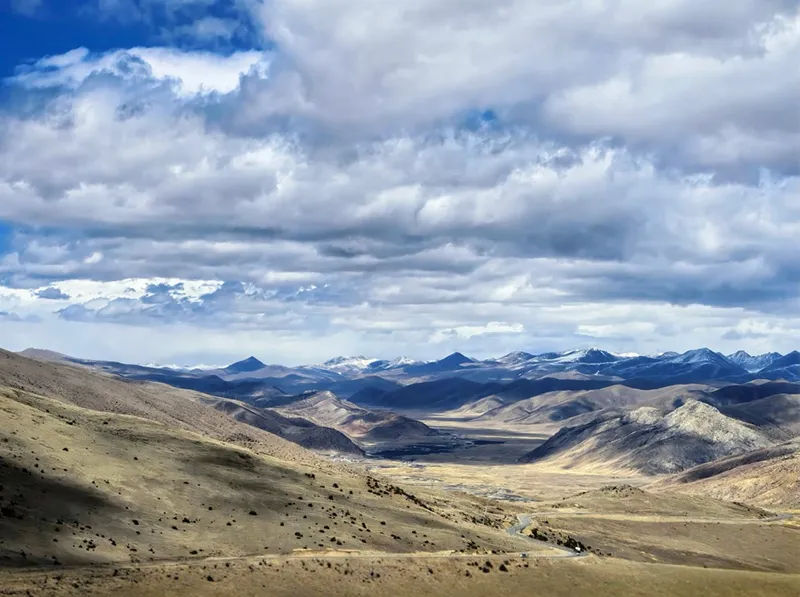
Most main roads used on popular motorcycle routes to and within Tibet are paved, but some sections may have damaged surfaces, roadworks, loose gravel or mud after rain. Even on good pavement, high altitude, tight bends, long climbs and descents can make riding demanding.
 |
On the G318 approach from Sichuan, the Eighteen Bends near Yajiang illustrate the winding mountain terrain. Farther along the route in Tibet, the Nujiang 72 Bends involve a sustained series of mountain switchbacks. These sections require concentration and controlled riding, even when the road surface is good.
 |
Daily distance alone does not show the full difficulty. Mountain passes, road conditions, weather and consecutive riding days all affect the pace. Overestimating the number of available riding days can also lead you to underestimate the distance you need to cover each day.
How to prepare: Review the estimated daily distance, riding time and major passes, and check which days are set aside for arrival, paperwork, sightseeing or rest. Tell us about your mountain riding experience, your longest single-day ride and your experience riding on consecutive days, so we can assess whether the route and pace suit you. Discuss current road conditions with our team before departure, allow time for breaks, and follow your riding guide’s instructions when conditions require a change of pace.
Allow Time to Acclimatise
Common mistake: Assuming that fitness and riding experience mean altitude won't affect you.
Acclimatisation and riding skill are two different things. Being fit doesn't guarantee you won't get altitude sickness—and once symptoms appear, you shouldn't keep climbing higher. If symptoms worsen, you need to descend and get medical help promptly.
How to prepare: Don't treat acclimatisation days as flexible time you can cut short. If you feel unwell, tell your guide promptly, pause riding, and assess the next step—don't push on to higher altitude just to finish the itinerary. If symptoms get worse, seek medical help and arrange to descend as needed. For detailed health advice, see [Altitude Sickness on a Tibet Motorcycle Tour: What to Know].
Prepare for Changing Weather and Riding Conditions
Common mistake: Assuming that choosing the best season means the weather will be stable.
Weather on the plateau changes quickly. The forecast in your departure city doesn't represent conditions along the whole route—temperatures, wind, rain, and road surfaces at the passes can all be different. Inadequate gear increases the risk of riding in cold or rain.
How to prepare: Focus on warm layers, waterproof gear and proper motorcycle protective equipment. Clarify who provides the helmet, protective clothing, gloves, riding boots, and rain gear, and confirm sizes in advance. Don't rely on city forecasts alone—check conditions along the route and your adjustment options before departure.
Understand What Your Guide and Support Vehicle Cover
Common mistake: Assuming the support vehicle can fix any breakdown on the spot.
Our tours include a bilingual riding guide and a support vehicle that travels with the group. But repairs and vehicle transport on the road still depend on the type of breakdown, available spare parts, loading capacity, and your location. Don't assume that having support means every problem can be solved immediately.
 |
How to prepare: Before departure, confirm the specific arrangements for luggage transport, repair assistance, and what happens if you can't continue riding. Whether you're on a locally arranged motorcycle or your own, you should understand the process after a breakdown and who covers costs for transport, repairs, or a replacement vehicle.
Check the Full Quotation and Vehicle Responsibilities
Common mistake: Comparing only the headline price.
Fuel, gear, single-room supplements, and one-way drop-off fees—along with deposits, damage assessment, and refund conditions—are often where the real cost differences lie.
How to prepare: Go through fuel, gear, single-room supplements, and one-way drop-off fees item by item. If you're using a locally arranged motorcycle, confirm the deposit amount, damage liability, assessment method, and refund process, and inspect the bike together at handover, photographing any existing damage. If you're bringing your own, confirm the vehicle paperwork, on-route repairs, and any possible transport costs.
Confirm Insurance and Trip Interruption Arrangements
Common mistake: Assuming travel insurance covers everything.
Standard travel insurance may not cover motorcycle riding, specific engine sizes, or high-altitude activities. And if weather, road closures, breakdowns, or health issues force changes to the itinerary, how costs are handled also needs to be clear in advance.
How to prepare: Tell your insurer the destination, motorcycle engine size, and expected maximum altitude, and get written confirmation of what's covered. Check whether your planned motorcycle riding, engine size, and high-altitude activities fall within the coverage, and confirm how costs are handled if weather, road closures, breakdowns, or health issues require changes.
Before You Book: Your Final Checklist
Before booking, run through these five items:
- · Are your riding documents and vehicle arrangements confirmed?
- · Do the route, daily riding demands, and total number of days suit you?
- · Are your gear and altitude preparations sufficient?
- · Are the guide, support vehicle, and breakdown assistance arrangements clear?
- · Have you checked the quotation, deposit, insurance, and itinerary change terms?
Tell us your travel dates, riding experience, route preferences, and whether you would like us to arrange a motorcycle or plan to bring your own. We can help assess the route, motorcycle options and daily riding demands, then recommend a suitable Tibet motorcycle itinerary.
Ask a Quick Question & Free Enquiry

If you have a WhatsApp, please feel free to scan our WhatsApp code.