 +86-13981905144
 inquiry@chinaroadtrip.org
How to Plan Your Mount Kailash Pilgrimage During the 2026 Peak Season?
Written by China Road Trip | Updated: 2026-8-3

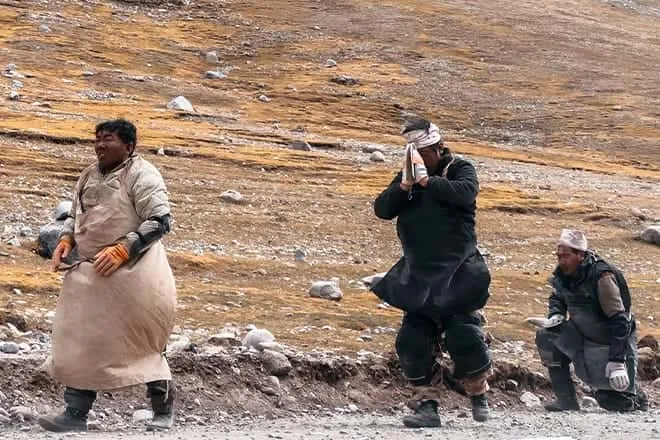
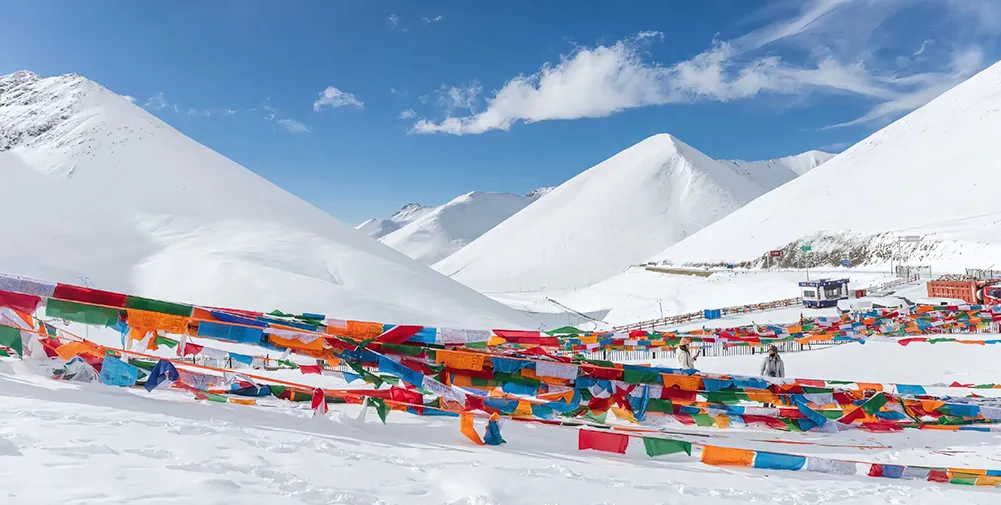
In 2026, Mount Kailash (known as Kang Rinpoche in Tibetan) is experiencing an unprecedented increase in pilgrims and international travelers. The normally remote western Tibet region has become one of the busiest pilgrimage destinations in the Himalayas. During the 2026 pilgrimage season, the normally remote and peaceful landscape around Mount Kailash has become significantly busier. At key locations such as Darchen, the starting point of the kora, Lake Manasarovar, and sections of the trekking route, more pilgrims are gathering to begin their spiritual journey. For travelers hoping to visit Mount Kailash during this special year, understanding the situation and preparing in advance has become more important than ever.
 |
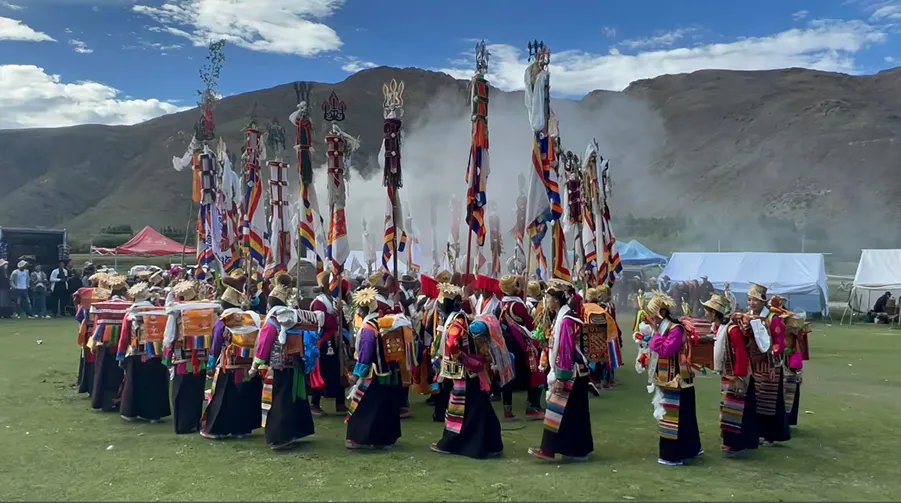
The reason behind the increased number of visitors is closely connected with the special spiritual significance of 2026. According to Tibetan Buddhist traditions, the Horse Year is considered an especially auspicious period for visiting Mount Kailash. Many believers believe that completing the kora during this year brings greater spiritual meaning, making it a once-in-a-lifetime opportunity for many pilgrims. Religious events such as Saga Dawa have further increased interest in visiting Mount Kailash during this special year. Combined with the recovery of international tourism and growing interest in Tibetan spiritual journeys, these factors have made Mount Kailash one of the most popular pilgrimage destinations in 2026.
However, a busy pilgrimage year also brings practical challenges. Travelers may face higher demand for accommodation in Darchen, limited transportation options, longer permit processing times, and greater physical challenges caused by crowded trails and high-altitude conditions. For foreign travelers, visiting Mount Kailash in 2026 does not mean avoiding the journey—it means planning smarter. This guide will explain how to plan your Mount Kailash pilgrimage during this busy year, including choosing the best travel dates, deciding how many days you need, selecting the right route and transportation, and preparing the necessary documents and equipment.
Choose travel dates wisely
Choosing the right travel dates is one of the most important decisions when planning a Mount Kailash pilgrimage in 2026. Different months offer different experiences in terms of weather, crowd levels, and the overall atmosphere of the pilgrimage. Although the Mount Kailash trekking season generally runs from late spring to early autumn, each period has its own advantages and challenges.
May-June: The Most Spiritual Period
May and June are among the most meaningful months for pilgrims visiting Mount Kailash. During important religious occasions, many devotees travel to the region to complete the kora and participate in traditional practices. However, this period can also bring the largest crowds, especially around major religious dates. Accommodation in Darchen and transportation services may become limited, so travelers should make arrangements well in advance.
 |
July-August: Warm Weather but High Demand
July and August offer relatively warmer conditions, making outdoor activities more comfortable. However, this period is also part of Tibet’s main travel season. More tourists and pilgrims visit western Tibet during these months, which means higher demand for hotels, transportation, and tour services. Travelers choosing this period should avoid last-minute arrangements.
 |
September-October: A Recommended Choice for Many Travelers
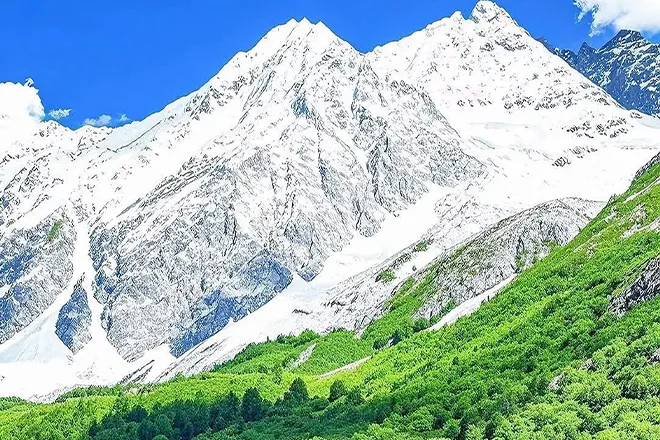
September and October are often considered ideal months for a Mount Kailash pilgrimage. After the summer monsoon season, the region usually enjoys clearer skies and better visibility. Travelers can enjoy spectacular views of Mount Kailash and Lake Manasarovar while experiencing relatively fewer crowds compared with the busiest pilgrimage periods. For travelers who want a balance between comfortable weather, beautiful scenery, and a more peaceful experience, September is one of the best choices for visiting Mount Kailash in 2026.
 |
Decide how many days you need
A Mount Kailash pilgrimage involves much more than the three-day kora itself. Because of the remote location, high altitude, and long-distance transportation, most foreign travelers should not plan the kora immediately after arriving in western Tibet, so, they should plan around 10-15 days for the complete journey.
Kailash Kora: The 3-Day Sacred Trek
The Kailash Kora is the central experience of the pilgrimage. The route covers approximately 52 kilometers around Mount Kailash and reaches its highest point at Dolma La Pass (around 5,630 meters).
| Day | Route | Distance | Duration | Highlights |
| Day1 | Darchen→Dirapuk Monastery | Around 20 km | 7-11 hours | Gradual ascent with the first close views of Mount Kailash |
| Day2 | Dirapuk Monastery→Dolma La Pass→Zuthulpuk Monastery | Around 22 km | 11-14 hours | The most challenging day, crossing the highest point of the kora |
| Day3 | Zuthulpuk Monastery→Darchen | Around 10 km | 2-5 hours | Descend back to Darchen and complete the pilgrimage |
 |
Full Mount Kailash Pilgrimage Journey
A complete Mount Kailash pilgrimage usually takes around 10–15 days, depending on the route, transportation options, and time needed for altitude acclimatization. Unlike a regular Tibet tour, a Mount Kailash journey involves travelling deep into western Tibet’s Ngari region, where distances are long and the altitude is significantly higher. A well-planned itinerary allows travelers to gradually adapt to the environment before starting the Kailash Kora.
Most journeys include time to explore Lhasa, acclimatize to Tibet’s altitude, travel across the Tibetan Plateau to the Ngari region, visit Lake Manasarovar, complete the 52-kilometer Mount Kailash Kora, and return through western Tibet. For first-time visitors, rushing the itinerary is not recommended. Spending extra time adjusting to the altitude and allowing flexibility for weather and road conditions can make the pilgrimage safer, more comfortable, and more enjoyable.
What Should Foreign Travelers Prepare Before Visiting Mount Kailash
Prepare Required Documents and Permits
For international travelers, preparing the correct documents is one of the most important steps when planning a Mount Kailash pilgrimage.
A valid passport and China visa (if required according to nationality)are needed before starting the application process. Travelers entering Tibet from Nepal should pay attention to different visa requirements depending on their travel route. (Travel Tip: Start preparing visa-related documents at least 1–2 months before departure to allow enough time for processing.)
The Tibet Travel Permit (TTP) is required for all foreign travelers entering Tibet. Unlike regular travel documents, it cannot be applied for independently and must be arranged through an authorized Tibet travel agency. Travelers usually need to provide passport information and visa documents for the application.
 |
Because Mount Kailash is located in the Ngari region of western Tibet near a border area, additional permits are required beyond the basic Tibet Travel Permit. These may include the Ali region travel permit, border area permit, and other local travel permissions. In most cases, these permits are arranged by the travel agency as part of an organized Mount Kailash tour. Travelers should confirm that all required permits are ready before entering the Mount Kailash area.
Physical Preparation for the Kailash Kora
The Kailash Kora is not only a spiritual pilgrimage but also a challenging high-altitude trek. The route reaches elevations of approximately 4,600m to 5,630m, covers around 52 kilometers, and is usually completed over three days. Travelers should prepare for high altitude, cold temperatures, and changing weather conditions before departure. To improve your trekking experience, regular walking, hiking, and cardiovascular training are recommended before the journey. Practicing with a backpack similar to your trekking load can also help your body adjust to the demands of the kora.
- Essential gear includes:
- Comfortable trekking shoes
- Warm layered clothing
- Windproof and waterproof jacket
- Trekking poles
- Sunglasses and sunscreen
- Personal medication
Altitude awareness is also essential. Travelers should allow enough time for acclimatization before starting the kora and avoid rushing into the trek immediately after arriving in high-altitude areas. A successful Kailash pilgrimage is not about speed. Maintaining a steady pace, respecting your physical limits, and allowing your body to adapt are key parts of the experience.
Choose a Reliable Tibet Tour Operator
Because Mount Kailash travel involves complex permits, remote transportation, high-altitude conditions, and limited infrastructure, most foreign travelers choose to join an organized Tibet tour rather than travel independently. A reliable Tibet travel operator can help arrange the necessary permits, transportation in western Tibet, accommodation, English-speaking guide services, and emergency support throughout the journey. Before booking, travelers should confirm that the tour includes all essential services and understand what is covered in the package. During the busy 2026 pilgrimage season, arranging your tour early can help secure better transportation and accommodation options, especially for the Mount Kailash Kora period.
How to Get to Mount Kailash: Routes and Transportation Options
Mount Kailash is located in Ngari Prefecture, western Tibet, and reaching this sacred mountain requires careful planning. For foreign travelers, the journey usually starts by entering Tibet through major gateway cities such as Chengdu, Lhasa, or Kathmandu, before continuing to Darchen, the base camp of Mount Kailash. In 2026, with the expected increase in pilgrims, choosing the right transportation route in advance is essential.
Option 1: Chengdu → Lhasa → Mount Kailash
By Flight
Route:Chengdu → Lhasa Gonggar Airport → Shigatse → Saga → Lake Manasarovar → Darchen
For many international travelers, Chengdu is a convenient gateway into Tibet due to its frequent flights and connections with major Chinese cities. After arriving in Lhasa, travelers usually spend 2–3 days adjusting to the altitude before heading west toward Mount Kailash.
By Train
Route:Chengdu → Lhasa (Qinghai-Tibet Railway connection) → Shigatse → Saga → Darchen
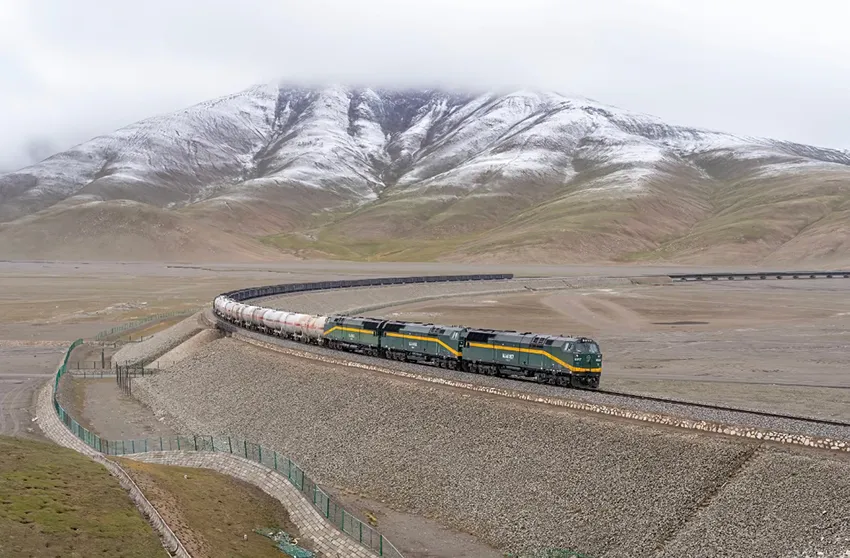
Taking the train to Lhasa provides a slower transition into the Tibetan Plateau and is popular among travelers who want a unique Tibet railway experience. (Note:During the 2026 peak pilgrimage season, train tickets may sell out quickly, so early booking is recommended.)
 |
Option 2: Chengdu → Ngari Gunsa Airport → Mount Kailash
For travelers with limited vacation time, flying directly to Ngari can significantly shorten the journey.
Route:Chengdu → Ngari Gunsa Airport → Darchen
After arriving at Ngari Gunsa Airport, travelers continue by road to Darchen, the starting point of the Kailash Kora.
 |
Option 3: Kathmandu, Nepal → Gyirong Port → Mount Kailash
For international travelers, especially those combining Nepal and Tibet, entering Tibet from Nepal is another popular option.
Route:Kathmandu → Gyirong Port → Saga → Lake Manasarovar → Darchen
This route connects Nepal’s Himalayan culture with the Tibetan pilgrimage experience and offers spectacular mountain scenery along the way.
 |
Option 4: Self-Drive and Motorcycle Travel to Mount Kailash
For adventure travelers, self-drive and motorcycle journeys offer a more flexible way to explore western Tibet. Popular routes include:
1.Chengdu → Tibet Highway → Lhasa → Ali → Mount Kailash
2.Lhasa → Ali Grand Loop → Mount Kailash
However, foreign travelers should note that independent driving in Tibet requires special arrangements, including vehicle permits, travel permits, and local support. For most international visitors, joining an organized overland tour remains the safest and most convenient option.
 |
 |
Best Mount Kailash Itinerary for a Smooth Pilgrimage in 2026
After choosing your route and transportation method, the next step is planning a realistic day-by-day itinerary. For first-time international travelers, a well-paced itinerary is essential for a successful Mount Kailash pilgrimage. Since the journey involves long-distance travel, high altitude, and the challenging three-day Kailash Kora, rushing the schedule is not recommended. This 15-day itinerary combines Tibetan cultural experiences, gradual altitude acclimatization, the journey through western Tibet, and the sacred Kailash Kora, making it suitable for travelers visiting Mount Kailash for the first time.
15-Day Mount Kailash Pilgrimage Itinerary
| Day | Route | Highlights |
| Day 1 | Arrival in Lhasa | Airport/train station pickup, hotel check-in, rest and acclimatization |
| Day 2 | Lhasa Sightseeing | Visit Drepung Monastery and Sera Monastery to experience Tibetan Buddhist culture |
| Day 3 | Lhasa Sightseeing | Explore Potala Palace, Jokhang Temple, and Barkhor Street |
| Day 4 | Lhasa → Gyantse → Shigatse | Visit Yamdrok Lake and Karola Glacier; continue to Shigatse |
| Day 5 | Shigatse → Tingri → Everest Base Camp | Enjoy Himalayan views, visit Gyawula Viewpoint and Everest Base Camp |
| Day 6 | Everest Base Camp → Saga | Travel through western Tibet; visit Peiku Lake and view Mount Shishapangma |
| Day 7 | Saga → Manasarovar Lake → Darchen | Pass through the Gangdise Mountains, enjoy views of Lake Manasarovar, arrive at Kailash base camp |
| Day 8 | Kailash Kora | Start the sacred trek; enjoy the north face of Mount Kailash |
| Day 9 | Kailash Kora | The most challenging day; cross the 5,630m Dolma La Pass |
| Day 10 | Kailash Kora | Complete the kora and return to the holy lake area |
| Day 11 | Manasarovar Lake → Saga | Travel back through western Tibet; enjoy plateau landscapes |
| Day 12 | Saga → Gyirong Valley | Continue toward the Nepal border; explore Gyirong Valley |
| Day 13 | Gyirong → Tingri | Visit Peiku Lake and enjoy views of Mount Cho Oyu |
| Day 14 | Tingri → Lhasa | Return to Lhasa |
| Day 15 | Departure from Lhasa | Airport/train station transfer and end of the journey |
Mount Kailash remains one of the most meaningful pilgrimage destinations in the world, and 2026 is expected to attract more pilgrims and international travelers than usual. Although a busy pilgrimage season may create challenges such as higher demand for accommodation, transportation, and permits, careful preparation can make the journey smoother and more rewarding. Before traveling to Mount Kailash in 2026, remember to:
1.Choose your travel dates carefully
2.Arrange permits and accommodation early
3.Allow enough time for altitude acclimatization
4.Prepare physically for the 52-kilometer Kailash Kora
5.Choose an experienced Tibet travel operator
A crowded pilgrimage route does not reduce the meaning of the journey. For many travelers, completing the Kailash Kora is not only a physical challenge but also a cultural and spiritual experience. With thoughtful planning, you can fully appreciate the beauty, traditions, and significance of Mount Kailash—even during a busy year like 2026.
Ask a Quick Question & Free Enquiry

If you have a WhatsApp, please feel free to scan our WhatsApp code.