 +86-13981905144
 inquiry@chinaroadtrip.org
Is Tibet Worth Visiting in Winter?
Written by China Road Trip | Updated 2026-8-4

You may have seen Tibet’s dramatic landscapes in summer, but the Tibetan Plateau takes on a completely different character during the winter months. Many travellers assume that Tibet is only worth visiting between May and October. The colder season is often overlooked because of freezing temperatures, high altitude concerns, and worries about difficult travel conditions.
However, winter Tibet has its own advantages. With fewer visitors, clearer skies, and snow-covered landscapes, the cold season reveals a quieter side of the plateau that is difficult to experience during the busy summer months. From the golden sunlight over the Himalayas to frozen high-altitude lakes and peaceful monasteries, winter offers a different perspective on Tibet’s natural beauty and traditional culture. It is also a good time for travellers who prefer a slower pace, fewer crowds, and more personal experiences. Of course, travelling Tibet in winter requires more preparation. The combination of high altitude, cold temperatures, and changing weather means visitors need to plan carefully and allow enough flexibility during their journey.
So, is winter the best time to visit Tibet? The answer depends on what kind of experience you are looking for. This guide explores what winter travel in Tibet is really like, including weather conditions, recommended destinations, transportation options, and practical tips to help you plan your trip.
1.The Reality of Winter Travel in Tibet
Winter travel in Tibet is very different from visiting during the warmer months. The landscapes are quieter and the skies are often clearer, but the high-altitude environment also brings challenges that travellers need to understand before planning their journey.
Cold Weather Is a Challenge, But Not a Reason to Avoid Tibet
Winter in Tibet is cold, especially at night and in high-altitude areas. However, many visitors are surprised to find that daytime conditions can feel much more comfortable than expected because of Tibet’s strong winter sunshine and dry climate. In Lhasa, daytime temperatures in January are usually around a few degrees above freezing, while nights can drop below -10°C. In places such as Everest Base Camp or western Tibet, temperatures can be significantly lower, especially after sunset. The biggest challenge is not only the temperature itself, but the large difference between day and night. A sunny afternoon can feel pleasant, while the same location may become extremely cold once the sun goes down. Proper preparation makes a big difference. Wearing layers, protecting yourself from wind, and keeping your hands and feet warm will allow you to enjoy outdoor activities more comfortably.
High Altitude Requires a Slower Pace
Altitude is one of the most important factors to consider when travelling Tibet in winter. Most areas of Tibet are located above 3,000 metres, and many popular destinations—including Everest Base Camp, Namtso, and western Tibet—are located at much higher elevations. Winter conditions can make your body feel altitude effects more strongly because cold weather and dry air increase physical stress. A slower itinerary is often the best approach for winter Tibet travel. Taking extra time to adjust will make the journey more enjoyable and reduce unnecessary risks.
Remote Areas Need More Flexible Planning
Winter is the low season in Tibet, and some remote areas operate differently compared with the peak travel months. Snow, ice, and changing weather conditions may affect access to destinations such as Namtso, Everest Base Camp, and other high-altitude areas. Some roads may require additional travel time, and schedules may need to be adjusted depending on local conditions. Travellers should avoid planning overly tight itineraries and leave some flexibility for unexpected changes. For those who prefer easier winter travel, destinations around Lhasa and lower-altitude areas such as Nyingchi can offer a more comfortable experience while still showcasing Tibet’s landscapes and culture.
Services Are More Limited Outside Major Cities
During the winter low season, some hotels, restaurants, and tourist facilities in remote areas may operate with fewer services due to lower visitor numbers. This does not mean travelling in winter is inconvenient, but it does require better preparation. Booking accommodation in advance, confirming transportation arrangements, and travelling with reliable local support can make a significant difference, especially when visiting remote parts of the plateau.
2.Which Month Is the Best Time to Visit Tibet in Winter?
Winter in Tibet usually lasts from November to March. Each month offers different experiences, from clear Himalayan views and frozen lakes to traditional Tibetan festivals. The best month to visit depends on what you want to experience: photography, cultural events, fewer crowds, or easier travel conditions.
| Month | Weather/Conditions | Highlights |
| November | Cold but relatively comfortable; dry weather and excellent visibility | Clear mountain views, fewer tourists, peaceful sightseeing |
| December | Colder temperatures with some of the clearest skies of the year | Snow-covered landscapes, photography, fewer crowds |
| January | The coldest month, especially in high-altitude areas | Frozen lakes, blue ice landscapes, dramatic winter scenery |
| February | Cold but culturally significant | Tibet New Year (Losar) celebrations, traditional festivals, winter scenery |
| March | Temperatures gradually become warmer; winter scenery remains | Fewer visitors, clearer mountain views, more comfortable travel conditions |
 |
3. Best Places to Visit in Tibet During Winter
Winter changes the way Tibet looks and feels. While some remote areas become more challenging to access, many destinations become even more beautiful during the colder months, with clearer skies, fewer visitors, and a more peaceful atmosphere. From cultural sites in Lhasa to frozen lakes and Himalayan viewpoints, these are some of the best places to include in a winter Tibet itinerary.
 |
Lhasa —The Best Starting Point for a Winter Tibet Trip
Lhasa is the most comfortable place to begin a winter journey in Tibet. Located at a lower altitude compared with many other destinations on the plateau, the city offers better conditions for travellers to adjust before heading to higher areas.
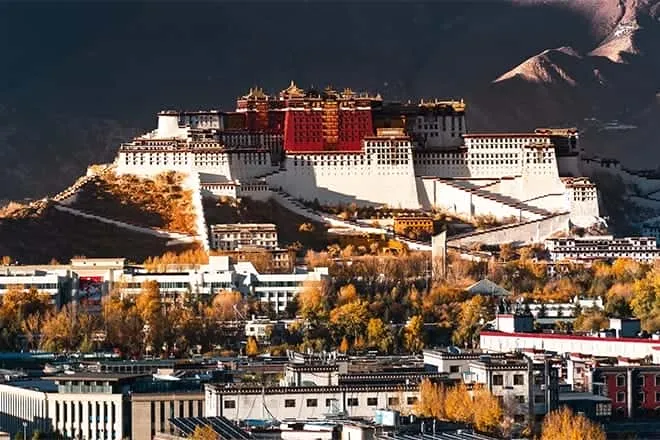
In winter, famous landmarks such as the Potala Palace, Jokhang Temple, and Barkhor Street are much quieter than during the summer peak season. Visitors can explore monasteries, walk through traditional streets, and observe local pilgrims without the large crowds found during busier months. The city’s dry climate and abundant sunshine also make winter a pleasant time to experience Tibetan culture at a slower pace.
 |
Nyingchi —A More Comfortable Side of Tibet
Located in southeastern Tibet, Nyingchi has a lower altitude than many other parts of the plateau, making it a good option for travellers who are concerned about altitude adjustment.
Winter transforms Nyingchi into a landscape of snow-covered forests, mountain valleys, and peaceful lakes. Places such as Basum Tso Lake and Lulang Forest offer a different view of Tibet compared with the high-altitude desert landscapes around Lhasa and western Tibet. Because of its relatively milder conditions, Nyingchi is also a suitable choice for travellers who want to experience Tibet’s natural scenery at a more relaxed pace.
 |
Pumoyongcuo Lake —A Winter Blue Ice Wonderland
Pumoyongcuo Lake is one of Tibet’s most spectacular winter destinations. During the coldest months, the lake freezes into a stunning blue ice landscape surrounded by snow-covered mountains. The patterns beneath the clear ice create a unique scene that is rarely seen during the warmer seasons. Winter visitors may also have the opportunity to see local herders moving across the frozen lake, offering a glimpse into traditional life on the Tibetan Plateau.
However, Pumoyongcuo is located at a very high altitude, so proper acclimatisation is essential. Road conditions can also change in winter, and travellers should check local conditions before visiting.
 |
Yamdrok Lake —An Easy Winter Escape from Lhasa
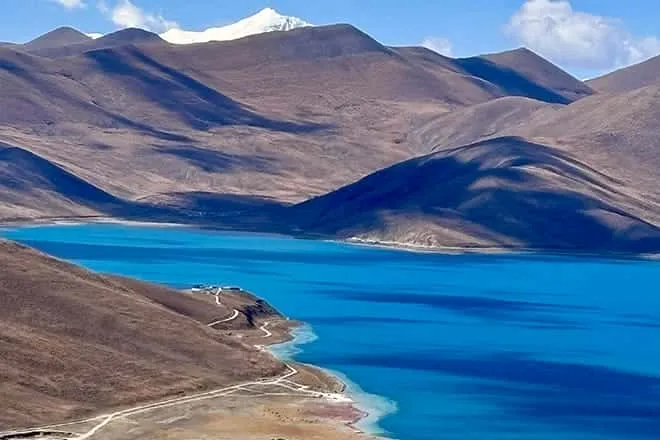
Yamdrok Lake is one of the most accessible high-altitude lakes to visit during winter. Located only a few hours from Lhasa, it is a popular choice for travellers who want to experience Tibet’s famous scenery without travelling deep into remote areas.
In winter, the lake often appears even more dramatic, with deep blue water, snow-covered mountains, and clear skies creating excellent photography conditions. A day trip to Yamdrok Lake is often included in first-time Tibet itineraries because it combines beautiful scenery with easier transportation.
 |
Namtso Lake —A Frozen Landscape Under the Himalayas
Namtso is one of Tibet’s most iconic lakes, known for its turquoise waters and the dramatic Nyenchen Tanglha Mountains in the background. During winter, parts of the lake freeze and the surrounding landscape becomes much quieter. The combination of ice, snow, and mountain scenery creates a completely different atmosphere compared with summer.
However, Namtso’s high altitude and winter road conditions mean that visits require careful planning. Weather changes can affect accessibility, so travellers should keep their schedule flexible.
 |
Everest Base Camp—Clearer Himalayan Views in Winter
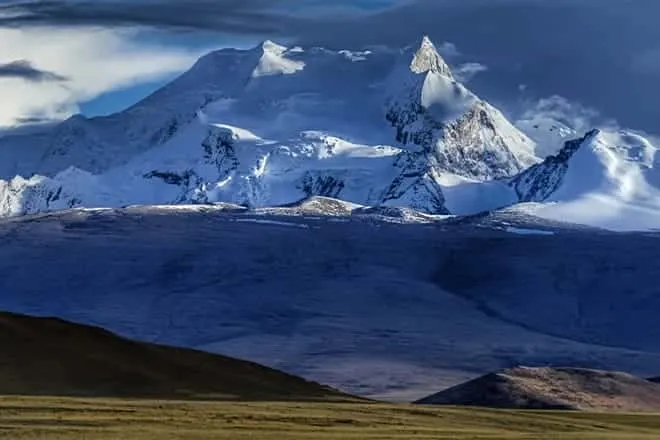
For many travellers, seeing Mount Everest is the highlight of a Tibet journey. Winter can be an excellent season for visiting Everest Base Camp because the dry weather often brings clearer views of the Himalayas. On good-weather days, travellers have a higher chance of seeing the dramatic north face of Mount Everest without the clouds that are common during the summer monsoon season.
However, Everest Base Camp is a high-altitude destination with extremely cold winter conditions. Travellers should be well prepared and allow enough time for acclimatisation before visiting
4.Tibet Travel Permit for Foreign Visitors in Winter
Many international travellers are unsure whether Tibet is open during the winter season. The answer is yes—foreign visitors can travel to Tibet throughout the year, including winter, but they must follow Tibet’s special travel regulations.
Unlike most destinations in China, foreign travellers cannot enter Tibet independently. A Tibet trip must be arranged through a registered local travel agency, which will help organise the required permits and create an approved itinerary. Winter is generally a quieter travel season, but the permit process remains the same. Travellers should still prepare their documents in advance, especially if they plan to visit remote areas such as Everest Base Camp, Mount Kailash, or western Tibet.
 |
- Tibet Travel Permit (TTP)
The Tibet Travel Permit is the main document required for foreign visitors entering Tibet. It is issued by the Tibet Tourism Bureau and must be arranged through an authorised Tibet travel agency.
Travellers do not apply for this permit by themselves. After confirming a Tibet itinerary, the travel agency will collect the necessary information, such as passport details and visa information, and submit the application on the traveller’s behalf. For most visitors, the permit process is straightforward as long as the required documents are prepared in advance.
- Additional Permits for Remote Tibet Areas
Some destinations in Tibet require additional approval because of their location near border areas or sensitive regions. For example, travellers visiting Everest Base Camp, Mount Kailash, Lake Manasarovar, or Ngari Prefecture may need additional permits beyond the Tibet Travel Permit.
These documents are usually arranged by the travel agency together with the complete tour plan. This is one of the main reasons why international visitors should work with a local Tibet operator instead of trying to organise the journey independently.
5. Getting to Tibet and Winter Transportation
Reaching Tibet in winter is generally possible, but choosing the right transportation method can make a big difference to your overall experience. Most international travellers enter Tibet through mainland China or Nepal. The best option depends on your available time, travel style, and whether you want a faster journey or a more gradual acclimatisation process.
-
Flying to Tibet: The Fastest Way to Reach the Plateau
 |
For travellers with limited time, flying is the most convenient way to reach Tibet. Most visitors arrive at Lhasa Gonggar Airport, with Chengdu being one of the most popular gateway cities.
For international travellers, a common route is: International destination → Chengdu → Lhasa
Chengdu has frequent flights to Lhasa, making it one of the easiest starting points for a Tibet journey. Flying saves travel time, but travellers should remember that Lhasa is already located at around 3,650 metres above sea level. Spending a few days in Lhasa after arrival is recommended before travelling to higher destinations.
-
Taking the Tibet Train: A Slower but Scenic Journey
 |
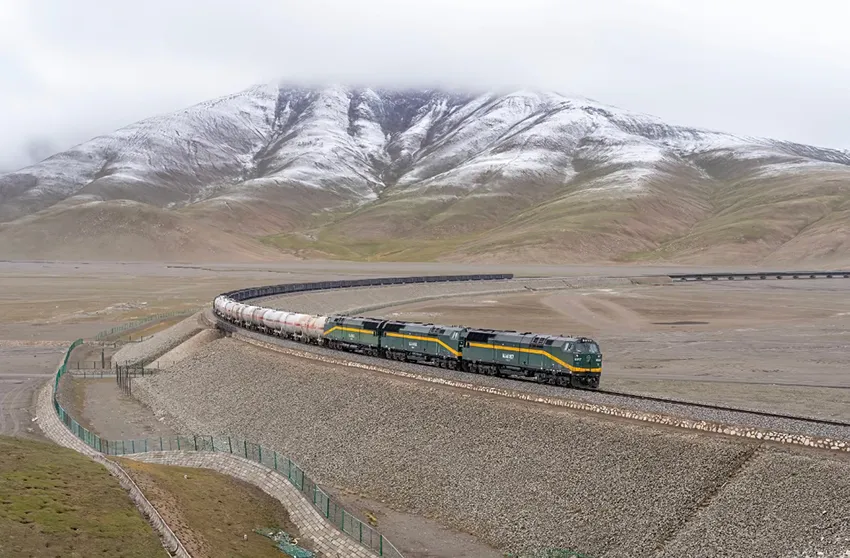
The Qinghai-Tibet Railway is another popular way to enter Tibet. Many travellers choose the train because the gradual increase in altitude allows more time for the body to adjust. The journey also offers views of the Tibetan Plateau, including snow-covered mountains, grasslands, and remote landscapes that cannot be seen from the air. For travellers who are not in a hurry, the train journey can become part of the Tibet experience itself. However, train tickets are limited, especially during popular travel periods, so early planning is recommended.
-
Flying to Ngari for Mount Kailash and Western Tibet
For travellers planning to visit western Tibet, including Mount Kailash and Lake Manasarovar, flying to Ngari Gunsa Airport can significantly shorten travel time.
A possible route is: Chengdu → Ngari Gunsa Airport → Darchen (Mount Kailash base camp)
This option saves several days of overland travel compared with starting from Lhasa. However, travellers should consider that Ngari is one of the highest regions in Tibet, and arriving directly at high altitude requires better preparation. For first-time visitors, a route that begins in Lhasa and gradually travels west is usually more comfortable for acclimatisation.
-
Entering Tibet from Nepal
Another popular option for international travellers is combining Nepal and Tibet in one journey.
A typical route is: Kathmandu → Gyirong Port → Tibet
This route is especially attractive for travellers who want to combine Himalayan cultures and visit destinations such as Mount Everest or Mount Kailash. However, travellers should prepare additional documentation and allow enough time for border procedures and transportation arrangements.
-
Self-Drive and Motorcycle Travel in Tibet
 |
For adventurous travellers, Tibet’s high-altitude roads offer some of the most spectacular driving and riding experiences in the world. Routes such as the Sichuan–Tibet Highway and western Tibet routes attract self-drive and motorcycle enthusiasts because of their dramatic scenery, including snow mountains, lakes, and remote plateau landscapes.Winter brings clearer skies and fewer vehicles on many roads, but it also requires more preparation. Snow, icy roads, limited services, and extreme temperature changes can make independent travel challenging. For foreign visitors, joining a professionally organised self-drive or motorcycle tour with local support is often a safer and smoother option.
6. What to Pack for Tibet in Winter
Packing for Tibet in winter is not only about staying warm. The high altitude, strong sunlight, dry climate, and large temperature differences between day and night all affect what you need to bring. The best strategy is to prepare for changing conditions by using layers. A sunny afternoon in Lhasa can feel comfortable, while the same day at a higher-altitude destination may become extremely cold after sunset.
-
Clothing for Cold and Changing Weather
Winter temperatures in Tibet vary greatly depending on altitude and location. While cities such as Lhasa can feel relatively comfortable during the day, areas like Everest Base Camp and western Tibet can be much colder. Instead of bringing only one extremely thick jacket, layered clothing works better because it allows you to adjust throughout the day.
- Essential clothing includes:
- A warm down jacket
- Thermal base layers
- Fleece jacket or sweater
- Windproof outer layer
- Warm trousers
- Gloves, hat, and scarf
- Comfortable waterproof hiking shoes
For travellers visiting high-altitude areas, keeping your hands and feet warm is especially important because cold conditions can make outdoor activities much more difficult.
-
Sun Protection on the Tibetan Plateau
Many first-time visitors are surprised by how strong the winter sun feels in Tibet. Because of the high elevation, ultraviolet radiation is much stronger than in lower-altitude areas. Snow and ice can also reflect sunlight, increasing exposure. Sun protection should be part of your daily routine, even during the colder months. Bring sunscreen, sunglasses with UV protection, lip balm, and moisturiser to protect your skin from strong sunlight and dry air.
-
Health and Altitude Essentials
Winter conditions combined with high altitude can make your body work harder than usual. Staying comfortable often depends on small preparations. Useful items include personal medication, basic medicine for headaches or cold symptoms, a reusable water bottle or thermos, and a small first-aid kit. A pulse oximeter is optional but can be helpful for travellers visiting very high-altitude areas, especially if they are unfamiliar with how their body reacts to altitude. The most important “equipment” is still proper acclimatisation. No item can replace giving your body enough time to adjust.
-
Documents and Travel Equipment
Foreign visitors should keep important documents easily accessible during their Tibet journey. Make sure you have your passport, required visa documents, Tibet Travel Permit, and any additional permits needed for restricted areas. For photography lovers, winter Tibet is one of the best seasons for landscape photography. However, cold temperatures can drain camera batteries faster, so carrying spare batteries and a power bank is recommended.
-
Extra Gear for Everest, Kailash, and Remote Areas
If your itinerary includes destinations such as Everest Base Camp, Mount Kailash, or other remote high-altitude areas, additional trekking equipment may be useful. Items such as trekking poles, waterproof boots, hand warmers, and a good-quality backpack can make long travel days more comfortable. For organised tours, some equipment and supplies may already be prepared by the travel operator, so confirm what is included before packing.
7.Recommended Classic Route
8-Day Winter Tibet Itinerary (Lhasa + Yamdrok Lake + Everest Base Camp)
For travellers visiting Tibet in winter for the first time, an 8-day itinerary combining Lhasa, Yamdrok Lake, Shigatse, and Everest Base Camp offers a great balance between cultural exploration and Himalayan scenery. This route allows enough time for altitude acclimatisation while visiting some of Tibet’s most iconic destinations. Compared with travelling in summer, winter offers clearer skies, fewer visitors, and a more peaceful experience on the Tibetan Plateau.
Day 1: Arrival in Lhasa — Airport/Train Station Pickup & Hotel Check-in
The first day is mainly for rest and altitude adjustment. At an elevation of around 3,650 metres, Lhasa requires some time for your body to adapt. Take it easy, drink enough water, and avoid intense activities after arrival.
Overnight: Lhasa
Day 2: Lhasa Sightseeing — Drepung Monastery & Sera Monastery
Visit Drepung Monastery, once one of the largest monasteries in Tibet, and Sera Monastery, famous for its traditional Buddhist debates. Winter is a peaceful time to explore Lhasa. With fewer tourists compared with the peak season, travellers can enjoy a more relaxed atmosphere and observe local religious life.
Overnight: Lhasa
Day 3: Lhasa Sightseeing — Potala Palace & Jokhang Temple
Visit the iconic Potala Palace, the former winter residence of the Dalai Lamas and one of Tibet’s most recognisable landmarks. Later, explore Jokhang Temple and Barkhor Street, where pilgrims and local residents gather around the spiritual centre of Lhasa. Winter’s clear weather often provides excellent photography conditions around the city.
Overnight: Lhasa
Day 4: Lhasa → Gyantse → Shigatse — Yamdrok Lake & Karola Glacier
The route passes through some of Tibet’s most famous landscapes, including Yamdrok Lake, one of Tibet’s three sacred lakes. In winter, the lake appears especially dramatic with deep blue water and snow-covered mountains surrounding the shoreline. Continue to Karola Glacier, one of the most accessible glaciers in Tibet, before arriving in Shigatse.
Overnight: Shigatse
Day 5: Shigatse → Tingri → Everest Base Camp — Gyawula Viewing Point
Stop at Gyawula Viewing Point, one of the best places to admire panoramic views of the Himalayas. On clear winter days, travellers may have the chance to see several Himalayan peaks, including Mount Everest. Continue to Everest Base Camp area and enjoy the incredible high-altitude scenery.
Overnight: Everest area
Day 6: Everest Base Camp → Dinggye → Shigatse — Himalayan Views
The route passes through the remote landscapes of Dinggye, offering more opportunities to enjoy mountain views, Tibetan villages, and the vast plateau scenery. Return to Shigatse for a comfortable overnight stay.
Overnight: Shigatse
Day 7: Shigatse → Lhasa — Tashilhunpo Monastery & Yarlung Zangbo River
Before returning to Lhasa, visit Tashilhunpo Monastery, one of the most important monasteries in Tibet and the traditional seat of the Panchen Lama. Continue the journey back to Lhasa while enjoying views of the Tibetan Plateau and the Yarlung Zangbo River, one of the most important rivers in Tibet.
Overnight: Lhasa
Day 8: Departure from Lhasa — Airport or Train Station Transfer
After breakfast, transfer to Lhasa Gonggar Airport or the railway station for your onward journey.
Is Winter Tibet Right for You?
Winter Tibet is a completely different experience from visiting during the warmer months. It is quieter, clearer, and often more peaceful, but it also requires more preparation and flexibility. There is no single “best” season for Tibet. The right time to visit depends on what kind of journey you are looking for.
Winter Tibet Is a Good Choice If You Want:
- A quieter Tibet experience
Winter is the low season in Tibet, which means fewer visitors at many popular attractions. Places such as the Potala Palace, monasteries, and mountain viewpoints often feel much more peaceful compared with the busy summer months.
- Clear Himalayan views and winter landscapes
The dry winter climate often brings excellent visibility, making it a rewarding season for photographers and travellers hoping to see snow-covered mountains, frozen lakes, and dramatic plateau scenery.
- A deeper cultural experience
With fewer tourists around, winter allows more time to experience Tibetan culture at a slower pace. Visiting monasteries, walking through local streets, and observing daily life can feel more personal during this season.
- A flexible and well-prepared journey
Travellers who are comfortable with changing conditions and who take time to prepare properly will usually have a more enjoyable winter trip.
Winter May Not Be the Best Choice If You Prefer:
- Warmer temperatures and easier travel conditions
If your priority is comfortable weather, longer daylight hours, and more predictable transportation, the warmer months may be a better fit.
- A fast-paced itinerary
Winter travel in Tibet often requires a slower schedule because of altitude, weather, and possible road conditions. Travellers who prefer to visit many places in a short time may find another season more suitable.
- Remote areas without extra planning
Destinations such as Everest Base Camp, Namtso, and western Tibet can be more challenging in winter. These areas require better preparation and more flexibility.
Ask a Quick Question & Free Enquiry

If you have a WhatsApp, please feel free to scan our WhatsApp code.