 +86-13981905144
 inquiry@chinaroadtrip.org
How to Travel to Tibet by Train?
Written by China Road Trip | Updated 2026-8-5

Nowadays, traveling to Tibet offers more choices than ever before. Some travelers choose flights for speed and convenience, reaching the Tibetan Plateau within just a few hours. Others prefer self-driving or motorcycle journeys, following legendary routes such as the Sichuan-Tibet Highway, Yunnan-Tibet Highway, and Qinghai-Tibet Highway in search of adventure and freedom.
But among all these options, the Tibet train offers a completely different experience.
Unlike flying, the train journey is not about reaching Tibet as quickly as possible. Instead, it turns the journey itself into part of the adventure, with endless grasslands, snow-covered mountains, and wildlife landscapes such as Tibetan antelopes appearing outside the window along the way. Compared with self-driving, the train provides a more comfortable and worry-free way to experience the Tibetan Plateau while gradually entering the high-altitude environment. Whether you are considering your first Tibet train journey or looking for practical travel tips, this guide will help you understand the routes, preparation, and experience of reaching Tibet by rail.
1. Why Take the Train to Tibet?
Tibet Train vs Flight: Which Way Is Better?
When planning a trip to Tibet, transportation is one of the first decisions travelers need to make. While flying is the fastest way to reach Lhasa, taking the train offers a completely different travel experience.
 |
Flying from cities such as Chengdu to Lhasa takes only a few hours, making it a convenient option for travelers with limited time. However, the body needs to adjust to the sudden change from low altitude to Lhasa’s elevation of around 3,650 meters, and some travelers may experience altitude discomfort after arrival.
The Tibet train takes much longer, with journeys ranging from around 20 hours on the Xining-Lhasa route to more than 40 hours on longer routes from cities such as Shanghai. However, the extra time allows travelers to experience something that cannot be seen from an airplane window—the gradual transformation from mainland China’s landscapes to the vast Tibetan Plateau.
For travelers who see the journey as part of the adventure, the Tibet train is not just a way to reach Lhasa, but an unforgettable experience along the way.
The Scenery You Cannot Experience by Air
Unlike flying directly over the landscape, the Tibet train allows passengers to watch the scenery change hour by hour as the railway climbs toward the plateau. Along the journey, travelers can see:
-
Vast Grasslands and High-Altitude Landscapes.
 |
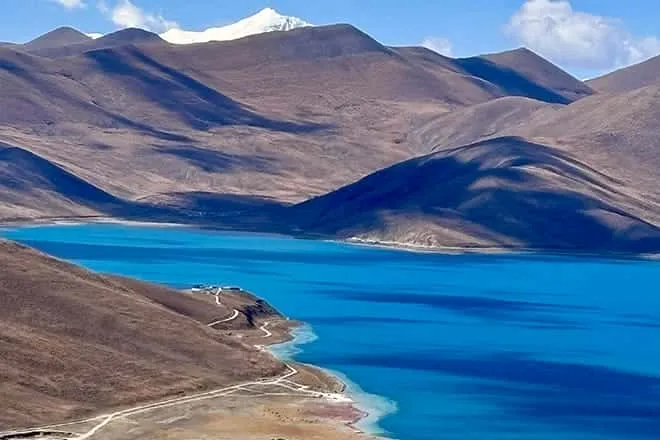
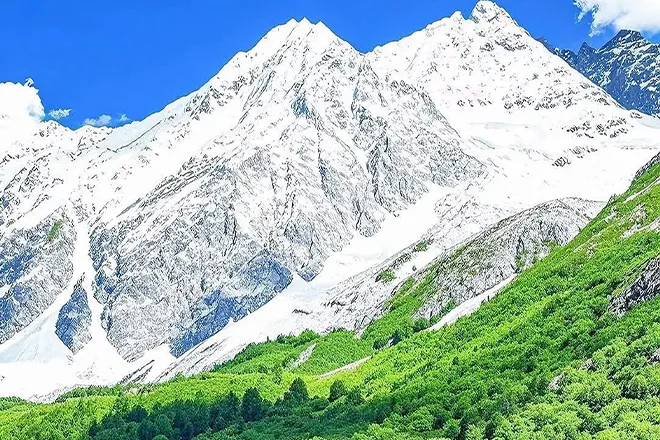
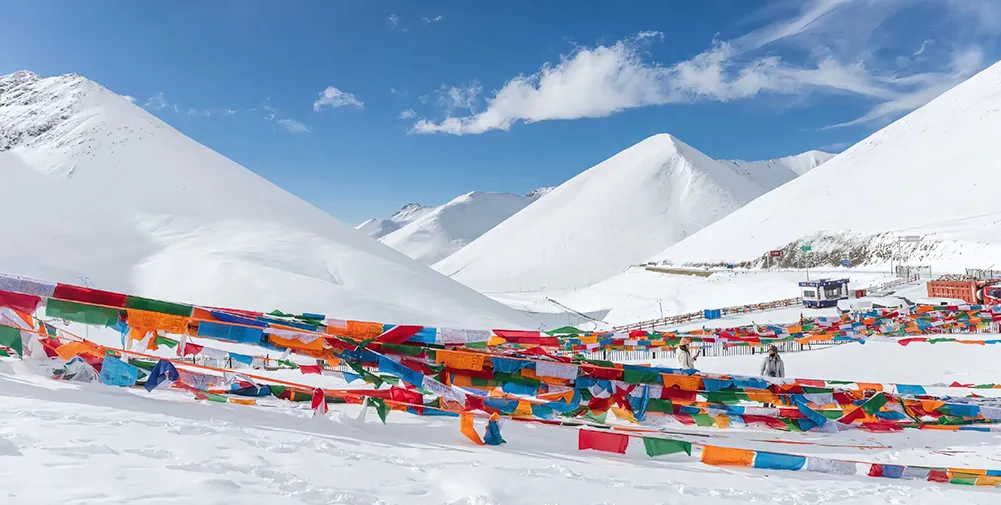
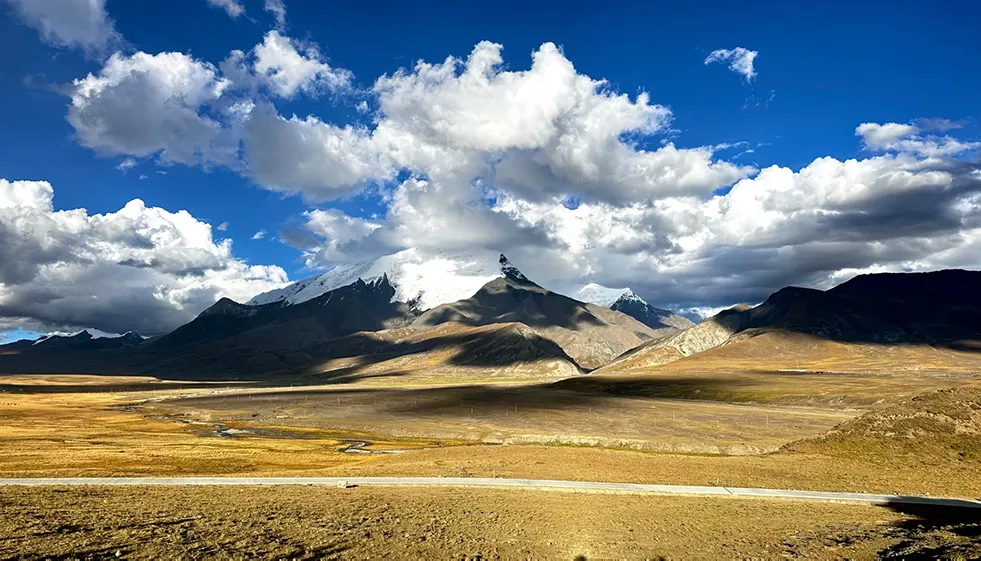
The train crosses the remote landscapes of Qinghai and Tibet, passing endless grasslands, open valleys, and snow-covered mountains. The changing scenery gives travelers a unique introduction to the Tibetan Plateau before they even arrive in Lhasa.
-
Wildlife Along the Qinghai-Tibet Railway
 |
The railway passes through areas such as the Hoh Xil region, one of the most important wildlife habitats on the plateau. During the journey, lucky travelers may spot Tibetan antelopes, wild yaks, and other high-altitude animals near the railway.
-
The Legendary “Sky Road”
 |
The Qinghai-Tibet Railway is one of the world’s highest railway routes. Crossing high-altitude areas such as the Kunlun Mountains and Tanggula Pass, the journey itself has become a symbol of human engineering and exploration. For many travelers, watching the Tibetan Plateau unfold outside the window is the most memorable part of the trip.
What Makes the Tibet Train Different?
Beyond the scenery, the Tibet train is specially designed for high-altitude travel, offering facilities that make the long journey more comfortable.
-
Oxygen Supply System
 |
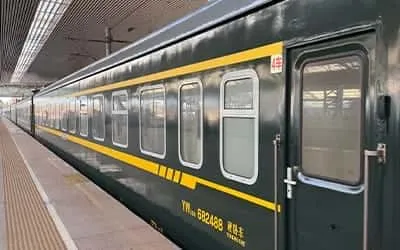
The trains operating on the Qinghai-Tibet Railway are equipped with an oxygen supply system to help passengers feel more comfortable while traveling through high-altitude areas. Individual oxygen outlets are available near berths, and emergency oxygen equipment is available in each carriage.
Although the train provides a more gradual introduction to the plateau environment, it does not completely prevent altitude sickness. Travelers should still allow time to rest and acclimatize after arriving in Lhasa.
- Comfortable Overnight Travel
 |
Compared with flights, the Tibet train allows travelers to combine transportation and accommodation in one journey.
-
Available options include
| Class | Features | Best For |
| Soft Sleeper | Private 4-berth compartments with doors | Travelers seeking comfort and privacy |
| Hard Sleeper | Open compartments with six berths | Most travelers and best value option |
| Hard Seat | Basic seating | Budget travelers |
For most foreign travelers, a sleeper berth is recommended because the journey can last more than 20 hours.
2. Does Taking the Train Help With Altitude Acclimatization?
Many travelers choose the Tibet train because they believe the gradual increase in altitude allows the body to adjust more naturally. Since the journey starts from Xining at around 2,275 meters and gradually climbs toward Lhasa at 3,650 meters, some visitors expect the train to reduce the risk of altitude sickness. However, taking the train does not guarantee that travelers will avoid altitude problems.
The Qinghai-Tibet Railway reaches extremely high elevations, with the highest point at Tanggula Pass (around 5,072 meters above sea level). Although passengers experience a slower transition compared with flying directly to Lhasa, the body is still exposed to a high-altitude environment during the journey.
Another factor to consider is rest. A long train journey can be tiring, and sleeping on a moving train may not be as comfortable as resting in a hotel. Arriving in Lhasa while tired may make some travelers feel less comfortable during their first days at altitude.
 |
For this reason, the Tibet train should be viewed as a unique travel experience rather than a guaranteed solution for altitude adaptation. After arriving in Lhasa, travelers should still allow enough time to rest and adjust before starting more demanding activities.
3. Best Train Routes to Tibet
Several cities in China offer direct train services to Lhasa. However, different routes provide very different travel experiences.
| Departure City | Train Duration | Approximate Hard Sleeper Fare (USD) |
| Xining | Around 21 hours | From 72 |
| Lanzhou | Around 24 hours | From 76 |
| Chengdu | Around 36 hours | From 92 |
| Chongqing | Around 35.5 hours | From 92 |
| Beijing | Around 40 hours | From 106 |
| Shanghai | Around 45 hours | From 117 |
| Guangzhou | Around 53 hours | From 128 |
Xining–Lhasa: The Classic Tibet Train Experience
For travelers looking for the most scenic Tibet train journey, the Xining–Lhasa route is the top recommendation. Starting from Xining, the train gradually climbs onto the Tibetan Plateau, passing through some of the most spectacular landscapes along the Qinghai-Tibet Railway. This section is considered the highlight of the entire journey, especially the route from Golmud (Geermu) to Lhasa, where the train enters the true high-altitude plateau. Along the way, passengers can witness the dramatic transition from Qinghai’s open landscapes to Tibet’s vast wilderness. The train passes through:
- Golmud
 |
- Hoh Xil National Nature Reserve
 |
- Tuotuo River
 |
- Tanggula Pass
 |
- Tsonag Lake (Cuona Lake)
 |
- Lhasa
 |
4.How to Plan a Tibet Train Trip
Planning a Tibet train journey involves more than simply buying a ticket. Foreign travelers need to arrange permits, transportation, and timing carefully before starting their trip.
Tibet Travel Permit and Train Ticket Arrangement
For international travelers, entering Tibet requires special travel documents in addition to a passport and China visa. The Tibet Travel Permit must be arranged through an authorized Tibet travel agency before departure.
Train tickets to Tibet can also be challenging to secure, especially during peak travel seasons. Since train schedules, ticket availability, and Tibet permit arrangements are closely connected, planning these parts together can make the journey much smoother. A professional Tibet travel agency can help arrange the necessary permits, coordinate train tickets, and make sure your transportation matches your overall Tibet itinerary.
Best Time to Take the Tibet Train
The Tibet train operates year-round, and each season offers a different travel experience.
Spring (April–May) is a good time for travelers who prefer fewer crowds and comfortable temperatures. The plateau begins to turn green, and the journey offers clear views of mountains and open landscapes.
Summer (June–August) is the peak travel season. The grasslands are greener, and wildlife viewing opportunities are better along the Qinghai–Tibet Railway. However, train tickets and Tibet tours can be in high demand during this period, so early planning is recommended.
Autumn (September–October) is often considered one of the best times to travel. The weather is generally stable, the skies are clear, and the visibility of snow-covered mountains and plateau scenery is excellent.
Winter (November–March) offers fewer tourists and a quieter travel experience. The air is usually clearer, but temperatures are much lower, especially during the high-altitude sections of the railway.
For most travelers, late spring, early summer, and autumn are the most comfortable periods for a Tibet train journey.
Choosing the Right Travel Schedule
The best Tibet train plan depends on your available time and travel goals. Many travelers choose the “fly in, train out” option: arriving in Tibet by flight, spending several days exploring and adjusting to the altitude, and then taking the train back to enjoy the scenery of the Tibetan Plateau. For travelers who have more time, taking the train both ways can create a complete overland experience, while those with limited time may prefer combining a flight with a shorter train journey.
Preparing for High Altitude
Although the Tibet train allows travelers to gradually enter the plateau environment, it does not completely prevent altitude sickness. Proper preparation is still important for a comfortable journey.
Before taking the train, travelers should make sure they are well rested and avoid starting the trip while exhausted. Warm clothing is essential because temperatures can change quickly along the Qinghai–Tibet Railway, especially when the train passes through areas above 4,000 meters.
After arriving in Lhasa, travelers should allow their bodies time to adjust before arranging intensive activities. Spending the first days exploring at a slower pace, staying hydrated, and avoiding excessive physical exertion can help make the transition to the high altitude easier.
For travelers continuing to higher areas such as Mount Everest Base Camp or western Tibet, additional acclimatization time is strongly recommended. A successful Tibet train journey is not only about reaching Lhasa, but also about allowing yourself enough time to enjoy the experience safely and comfortably.
Combine the Train Journey with a Tibet Tour
The Tibet train is usually only one part of a larger Tibet adventure. After arriving in Lhasa, travelers can continue with different routes depending on their interests, including cultural tours, Himalayan landscapes, or longer journeys to western Tibet. A well-planned itinerary should consider not only transportation but also altitude adaptation, travel permits, accommodation, and route conditions.
Is the Tibet Train Worth Taking?
Taking the train to Tibet is not simply a way of reaching Lhasa—it is an important part of the Tibet travel experience itself. Unlike a flight, the train journey allows travelers to watch the landscape gradually transform from the Qinghai grasslands to the vast Tibetan Plateau, creating memories long before arriving at the destination.
However, a successful Tibet train journey requires careful preparation. Foreign travelers should arrange their Tibet Travel Permit in advance, choose a route that matches their schedule, and allow enough time to adjust to the high-altitude environment after arrival.
Whether you choose the scenic Xining-Lhasa route or combine the train journey with a complete Tibet tour, proper planning will make your experience smoother and more enjoyable. Ready to start your Tibet train adventure? Our Tibet travel experts can help arrange permits, train tickets, and a customized itinerary based on your travel plans.
Ask a Quick Question & Free Enquiry

If you have a WhatsApp, please feel free to scan our WhatsApp code.