 +86-13981905144
 inquiry@chinaroadtrip.org
How to Start Your Tibet Motorcycle Adventure
Written by China Road Trip | Updated 2026-8-13

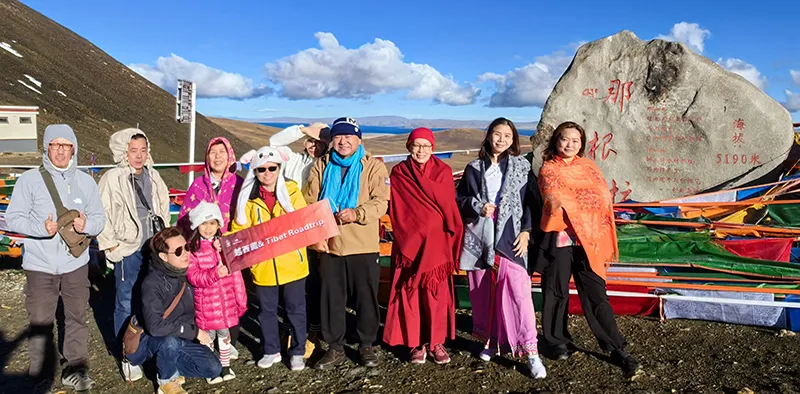
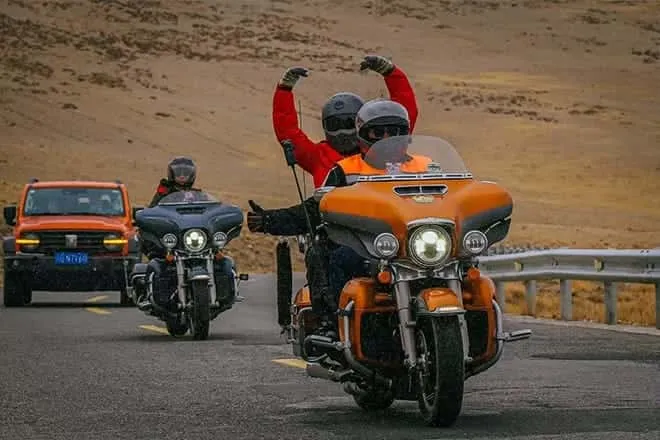
Germany has a strong and deeply rooted motorcycle culture. From the winding roads of the Black Forest to the legendary Nürburgring, and from BMW’s iconic GS series to a thriving adventure-touring community, German riders have long embraced the freedom of exploring the open road on two wheels. For riders looking beyond the familiar mountain roads of Europe, Tibet offers an entirely different kind of adventure. Here, long stretches of road climb above 4,000 meters, crossing the vast Tibetan Plateau beneath the towering peaks of the Himalayas. The scale, altitude, and remoteness make riding in Tibet an experience unlike a typical motorcycle journey in Europe.
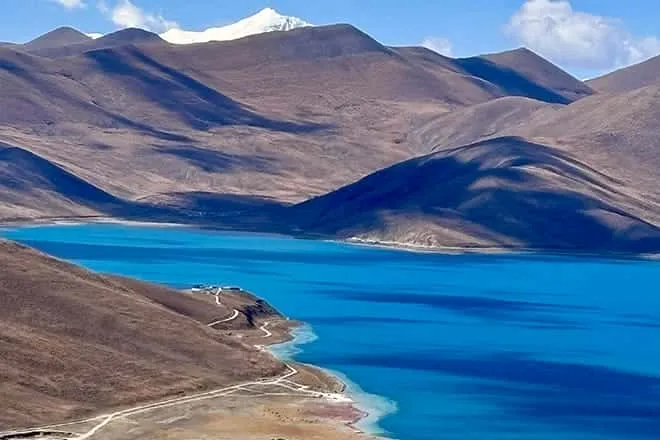
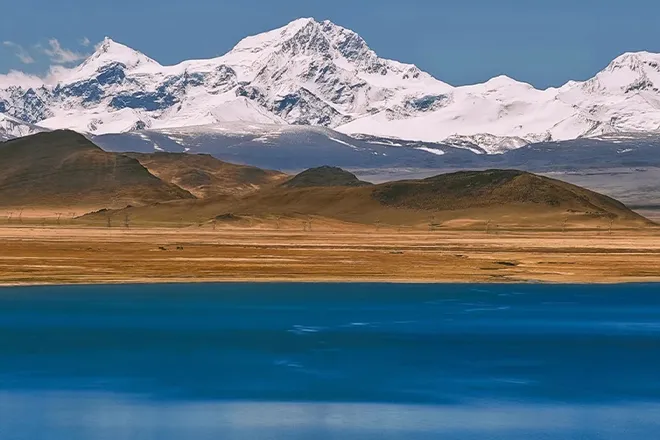
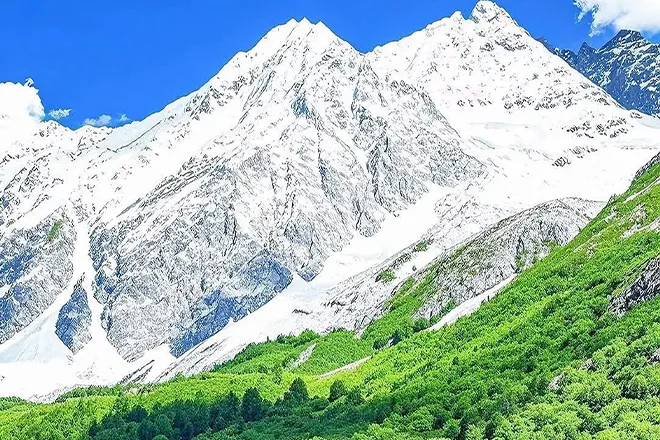
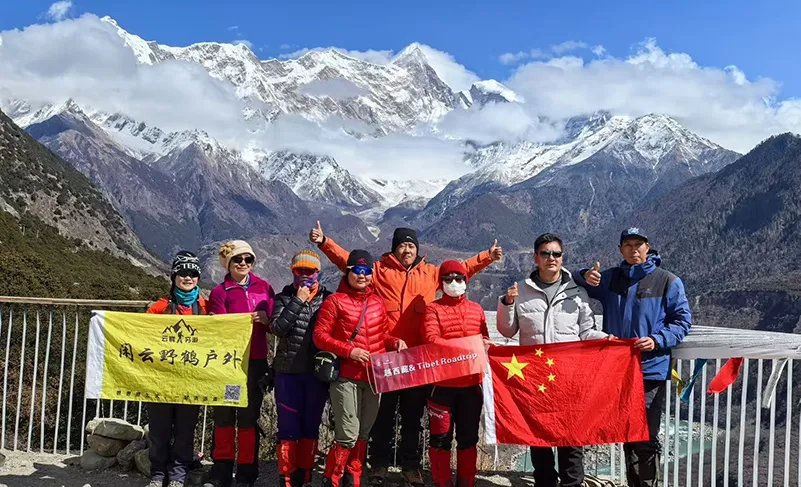
A Tibet motorcycle tour can take you past turquoise lakes such as Yamdrok, centuries-old monasteries, sweeping grasslands, snow-covered mountain ranges, and some of the world’s highest roads. Depending on the route, you can ride toward Mount Everest, follow the legendary Sichuan-Tibet Highway (G318), or venture into the remote landscapes of western Tibet and the Ngari region.
For German adventure riders accustomed to the Alps and long-distance touring, Tibet presents a new challenge on a much larger scale. Riding here requires careful planning, proper travel and driving documents, preparation for high altitude, and a well-organized itinerary. The good news is that German travelers can experience Tibet by motorcycle when the necessary arrangements are made in advance.
So, can you actually ride a motorcycle in Tibet as a German traveler? Let’s start with what you need to know.
Can German Travelers Ride Motorcycles in Tibet?
Yes, German riders can experience Tibet by motorcycle. For adventure riders, Tibet offers one of the most unique motorcycle journeys in the world—high-altitude roads, Himalayan landscapes, sacred lakes, ancient monasteries, and some of the most remote riding routes on Earth.
However, a Tibet motorcycle tour is different from a typical self-guided motorcycle trip in Europe. Foreign travelers cannot simply arrive in Tibet, rent a motorcycle, and start riding independently. Due to the region’s travel regulations, a successful Tibet motorcycle journey requires advance preparation, approved travel arrangements, and the correct documentation.
The process may seem complicated at first, but thousands of international travelers visit Tibet each year with proper planning and professional assistance. Before choosing your route, it is important to understand the key requirements for German riders traveling to Tibet.
What Do German Riders Need for a Tibet Motorcycle Tour?
Planning a motorcycle journey in Tibet requires more preparation than a typical motorcycle trip in Europe. Foreign riders need to arrange the correct travel documents, permits, and riding authorization before starting their journey. The exact requirements depend on your route, entry point, and travel plans, but the main things to understand are:
- 1. China Entry Requirements
German travelers may currently enter China under the applicable visa-free policy or with the appropriate visa depending on their travel plans. However, entering China does not automatically allow foreign travelers to enter Tibet. Additional Tibet travel documents are required before traveling to the Tibet Autonomous Region.
- 2. Tibet Travel Permit (TTP)
The Tibet Travel Permit is required for foreign travelers visiting Tibet.
 |
Important points:
- * It is different from your China visa or entry status.
- * It cannot be arranged independently by individual travelers.
- * It must be processed through an authorized Tibet travel agency.
Your travel operator will advise you on the required documents and arrange the permit process according to your itinerary.
- 3. Additional Permits for Special Routes
Some motorcycle routes travel beyond standard tourist areas, including destinations such as Everest Base Camp, Mount Kailash, Ngari, and certain border regions. Depending on your itinerary, additional travel documents may be required. The required permits vary by route, so your Tibet motorcycle tour operator will confirm which documents are needed for your journey.
- 4. Motorcycle Riding Requirements
A German motorcycle licence alone does not allow you to ride legally in China. Foreign riders need the appropriate Chinese driving authorization before operating a motorcycle in China, based on their valid motorcycle licence.
 |
An International Driving Permit (IDP) cannot replace the required Chinese driving authorization. Your tour operator can advise you on the documents needed and help arrange the necessary procedures before your trip.
Why Work With an Experienced Tibet Motorcycle Tour Operator?
Tibet motorcycle travel involves travel permits, route planning, and local procedures that are difficult to arrange independently. Working with an experienced operator allows you to focus on the adventure itself while the necessary arrangements are prepared in advance.
For German riders, the journey to Tibet begins long before reaching the Tibetan Plateau. Depending on your time, riding experience, and travel style, there are several ways to start your Tibet motorcycle adventure.
How to Plan Your Tibet Motorcycle Route from Germany
Option 1: Fly to Lhasa — Explore Tibet’s Classic Motorcycle Routes
Germany → Chengdu / Beijing / Shanghai → Lhasa
For riders with limited time, flying to Lhasa is the most direct way to begin a Tibet motorcycle adventure. After arriving in Lhasa, riders can choose different classic Tibet routes:
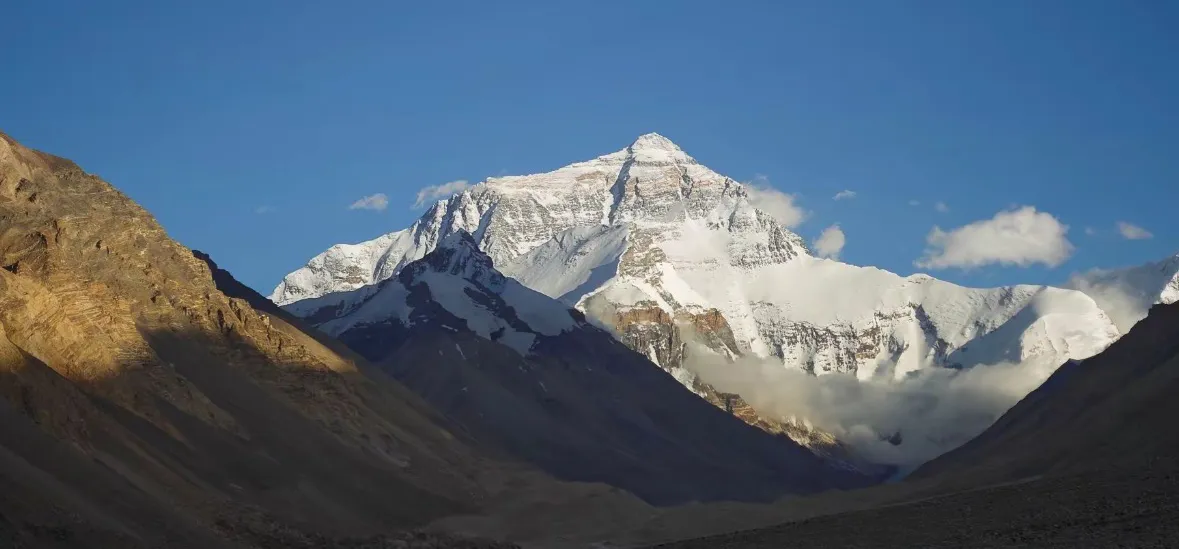
Lhasa → Yamdrok Lake → Everest Base Camp
Duration: 8 days
A classic Tibet motorcycle route featuring sacred lakes, Tibetan culture, mountain passes, and the north face of Mount Everest.
 |
- Lhasa
 |
- Yamdrok Lake
Lhasa → Everest Base Camp → Namtso Lake
Duration: 8 days
A journey combining the Himalayas with one of Tibet’s most famous sacred lakes.
 |
- Namtso Lake
 |
- Mount Everest
Duration: 14–20 days
A deeper expedition into western Tibet, designed for riders looking for remote landscapes and high-altitude adventure.
 |
- Mount Kailash
 |
- Lake Manasarovar
Option 2: Fly to Chengdu → Ride the G318 Sichuan-Tibet Highway
For many adventure riders, the road to Tibet is the adventure itself. Starting from Chengdu, riders follow the legendary G318 Sichuan-Tibet Highway across western Sichuan and the eastern Tibetan Plateau before arriving in Lhasa.
Germany → Chengdu → G318 → Lhasa
Duration: Around 12 days
 |
- Nujiang 72 Turns
 |
- Ranwu Lake
 |
- Nyingchi landscapes
Option 3: Fly to Kunming → Ride the Yunnan-Tibet Route
The Yunnan-Tibet route offers a different approach to the Tibetan Plateau. Starting from Kunming, riders travel through Yunnan’s diverse landscapes and cultural regions before entering Tibet.
Germany → Kunming → Yunnan → Tibet → Lhasa
Duration: Around 12 days
 |
- Jinsha River Great Bend
 |
- Meili Snow Mountain
Option 4: Fly to Kathmandu → Cross into Tibet → Ride to Lhasa
Entering Tibet from Nepal creates one of the most dramatic Himalayan motorcycle journeys. The route begins in Kathmandu, crosses the Himalayas, and continues across the Tibetan Plateau toward Lhasa.
Germany → Kathmandu → Gyirong Border → Lhasa
Duration: Around 11 days
 |
- Kathmandu
 |
- Gyirong Border Crossing
 |
- Mount Everest (North Side)
Best Time for a Tibet Motorcycle Tour
Timing plays an important role in planning a Tibet motorcycle adventure. Unlike ordinary road trips, riding in Tibet means dealing with extreme altitude, changing weather conditions, and remote mountain roads. Choosing the right season can make a significant difference to your riding experience. For most motorcycle travelers, the best periods to explore Tibet are late spring and early autumn, when the weather is more stable and the roads are generally more comfortable for long-distance riding.
May–June: Clear Skies and Fresh Mountain Landscapes
Late spring is one of the most rewarding times to ride across Tibet. After winter, many high mountain passes become accessible again, the skies are often clear, and temperatures are comfortable for riding during the day. This season is especially attractive for riders who want to experience the dramatic contrast between snow-covered mountains, open valleys, and the beginning of Tibet’s alpine landscapes.
September–October: The Best Conditions for Long-Distance Riding
Early autumn is another excellent window for a Tibet motorcycle tour. The weather is usually stable, visibility is excellent, and the cooler temperatures create comfortable riding conditions even on high-altitude roads. Compared with the summer months, there are generally fewer travelers, allowing riders to enjoy Tibet’s landscapes with more space and freedom. For routes such as the Everest Base Camp journey, G318 Sichuan–Tibet Highway, and longer western Tibet expeditions, September and October are often considered ideal riding months.
 |
July–August: A Different Kind of Adventure
Summer is still possible for motorcycle touring in Tibet, especially for riders with flexible schedules. At this time of year, temperatures are warmer and some landscapes become greener. However, the summer monsoon can bring more rainfall, particularly in eastern Tibet and areas closer to the Nepal border. Weather changes can affect road conditions, so riders should be prepared for possible delays. For experienced riders, summer can still offer an unforgettable Tibetan adventure.
November–March: A Challenge for Experienced Riders
Winter transforms Tibet into a completely different world. The plateau becomes quieter, but motorcycle travel becomes much more demanding. High-altitude temperatures can drop significantly, snow and ice may affect mountain roads, and remote areas have fewer available services. For most international riders, winter is not the ideal season for a first Tibet motorcycle journey.
 |
Choosing the Right Time for Your Route
The best riding season also depends on your chosen itinerary. A classic Lhasa–Everest route, a G318 overland journey, and a remote Ngari expedition each experience different weather patterns because of their altitude and geography. Choosing the right season allows you to enjoy better road conditions, clearer mountain views, and a safer, more comfortable ride across the Tibetan Plateau.
Road Conditions and Riding Difficulty
A Tibet motorcycle tour is a true high-altitude adventure. While many famous routes now have improved road conditions, riders should understand that the Tibetan Plateau presents challenges that are very different from a typical motorcycle trip in Europe.
- High-Altitude Riding
Most Tibet motorcycle routes take place between 3,500 and 5,000 meters above sea level, with some destinations reaching over 5,000 meters. At this elevation, both riders and motorcycles perform differently. Engines may lose power, physical effort becomes more demanding, and weather conditions can change quickly. Riding in Tibet requires patience, good preparation, and respect for the environment.
 |
- Road Conditions
Major routes such as the Friendship Highway and G318 Sichuan-Tibet Highway are now largely paved, making them accessible for experienced motorcycle travelers. However, remote areas such as western Tibet and the Ngari region can include rough surfaces, gravel sections, mountain passes, and long distances between towns. Riders should also be prepared for sudden changes in weather, including strong winds, rain, and cold temperatures even during the riding season.
- Long-Distance Riding
A Tibet motorcycle journey often involves several hours of riding each day, with long stretches through remote landscapes. Unlike riding in Europe, where services and facilities are usually easily available, Tibet requires more flexibility and self-reliance due to its vast distances and high-altitude environment. For riders who respect the conditions and prepare properly, these challenges are also what make Tibet one of the world’s most rewarding motorcycle destinations.
Preparation: What to Bring and What to Know
Preparing for a Tibet motorcycle tour is about more than packing the right gear. The combination of altitude, remote roads, and changing weather means that thoughtful preparation can greatly improve your riding experience.
- Motorcycle and Riding Gear
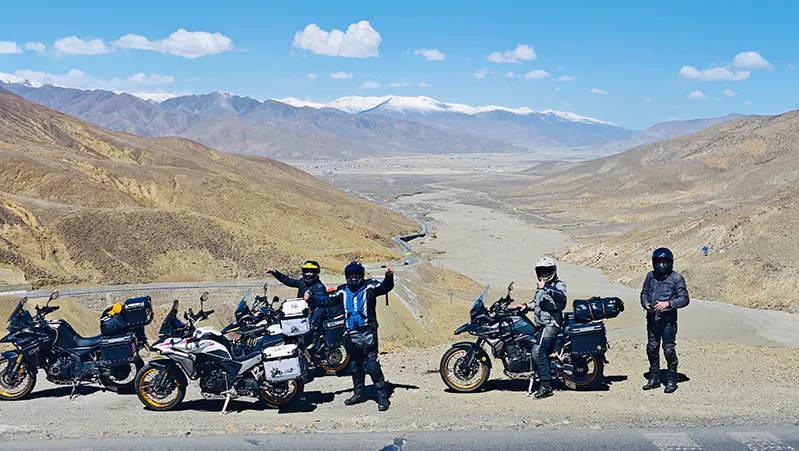
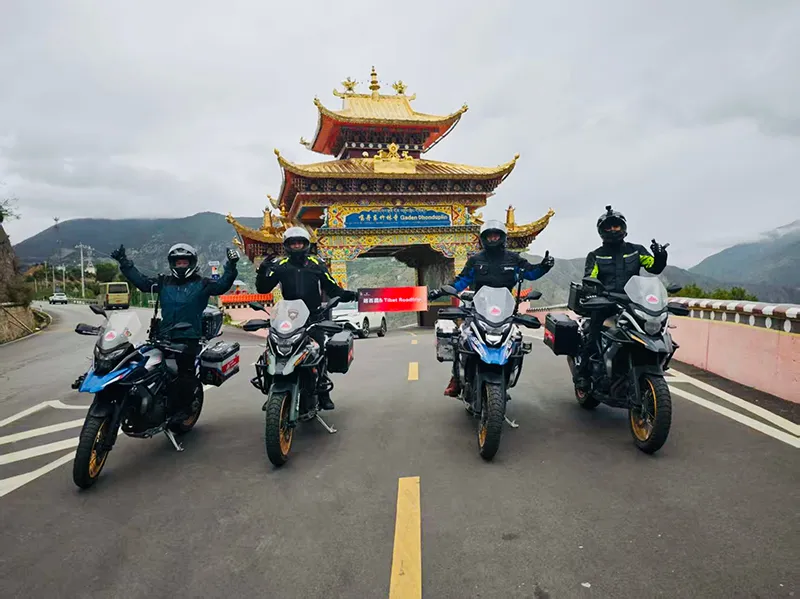
Most Tibet motorcycle tours provide suitable rental motorcycles for different routes and riding preferences, including popular adventure models such as Royal Enfield Himalayan, BMW GS series, and KOVE 525X. Riders are strongly encouraged to bring their own riding equipment, especially items they are already familiar with. A quality helmet, protective riding gear, gloves, riding boots, and waterproof layers are essential for comfort and safety on long days of riding.
- Preparing for High Altitude
Altitude is one of the biggest differences between riding in Tibet and riding elsewhere. Most riders spend time in Lhasa before beginning higher-altitude routes, allowing their bodies to gradually adapt before heading toward destinations such as Everest Base Camp or western Tibet. Maintaining a comfortable pace, getting enough rest, and listening to your body are important parts of preparing for the Tibetan Plateau.
- Travel Insurance
Before departure, make sure your insurance covers motorcycle activities, high-altitude travel, and remote areas. Coverage varies between providers, so riders should carefully check their policy before traveling.
- Professional Support Makes the Journey Easier
Although Tibet offers some of the world’s most incredible motorcycle routes, the combination of altitude, permits, remote roads, and logistics can make planning complicated. With an experienced Tibet motorcycle tour operator, many of these challenges can be managed in advance. From route planning and motorcycle arrangements to local support during the journey, professional assistance allows riders to focus on the adventure itself.
The goal is not to remove the challenge — it is to make sure you are prepared to enjoy it.
FAQs
- Can German citizens enter China visa-free for a Tibet tour?
Yes. German passport holders may currently enter China under the applicable visa-free policy for short stays. However, visa-free entry does not replace the Tibet Travel Permit, which is still required for travel to Tibet.
- How long does it take to arrange a Tibet Travel Permit?
Processing times depend on your itinerary and current requirements. Your Tibet motorcycle tour operator will advise you on the necessary timeline and arrange the required documents before your journey.
- Can I ride my own motorcycle in Tibet?
Yes, it may be possible to bring your own motorcycle to Tibet, but this involves additional customs, vehicle, and travel procedures. Many international riders choose rental motorcycles because they simplify logistics.
- Do I need an International Driving Permit?
An International Driving Permit alone is not sufficient for riding in China. Foreign riders need the appropriate Chinese driving authorization based on their valid motorcycle licence.
- What is the maximum altitude I will ride?
Most Tibet motorcycle routes reach elevations between 4,000 and 5,200 meters. Everest Base Camp is around 5,200 meters above sea level, while some high mountain passes are above 5,000 meters.
- What happens if I experience altitude sickness?
Altitude affects everyone differently. A professional Tibet motorcycle tour includes experienced local support, and your guide can help monitor symptoms and arrange assistance if necessary.
- Can I extend my tour to include Mount Kailash?
Yes. Mount Kailash and western Tibet are part of the Ngari (Ali) region, which requires additional time and travel arrangements. These routes are usually longer expeditions designed for riders who want a deeper Tibet experience.
- Do I need to speak Chinese?
No. International Tibet motorcycle tours usually provide English-speaking support. However, learning a few basic Chinese or Tibetan phrases can make interactions with local people more enjoyable.
Ask a Quick Question & Free Enquiry

If you have a WhatsApp, please feel free to scan our WhatsApp code.