 +86-13981905144
 inquiry@chinaroadtrip.org
A Practical Guide to Planning a Motorcycle Journey in Tibet from Thailand
Written by China Road Trip | Updated 2026-8-27

A motorcycle journey in Tibet is unlike anything most Thai riders have experienced before. For most Thai riders, the journey begins by traveling from Thailand to China, then starting the motorcycle tour from Lhasa, Chengdu or Kunming, depending on the route. Experienced overland riders also have another option: bringing their own Thai-registered motorcycle through Laos and entering China via the Mohan border crossing. This guide covers the routes, permits, riding conditions and practical preparations you need to plan a Tibet motorcycle tour from Thailand.
1. Why Ride a Motorcycle in Tibet?
Thailand already offers some of the best motorcycle roads in Southeast Asia. So why go all the way to Tibet?
The answer is simple: Tibet is not just another destination — it is a completely different kind of ride.
| Thailand | Tibet |
| Tropical mountain roads | Tibetan Plateau and Himalayan passes |
| Generally warm, tropical riding conditions | Cooler high-altitude climate with large temperature swings |
| Riding at sea level to modest elevations | Mountain passes at 4,000-5,000 meters |
| Lush green landscapes | Vast, open, high-altitude landscapes |
| Towns and services relatively frequent | More remote areas and fewer services |
| Shorter day rides possible | Longer distances between major stops |
 |
For Thai riders, the biggest difference is not the road surface — it is the combination of altitude, weather, distance and scale. Tibet’s roads take you across the “Roof of the World,” where the horizon stretches farther than you can imagine, the air is thin, and every kilometer feels earned. This is not a ride through the jungle. This is a ride across the top of the world.
2. Where Can Thai Riders Start a Tibet Motorcycle Journey?
Once in China, Thai riders can begin their motorcycle journey from three main starting points: Lhasa, Chengdu or Kunming. Each offers a different route, riding distance and overall experience.
- Start in Lhasa — Ride to Everest Base Camp
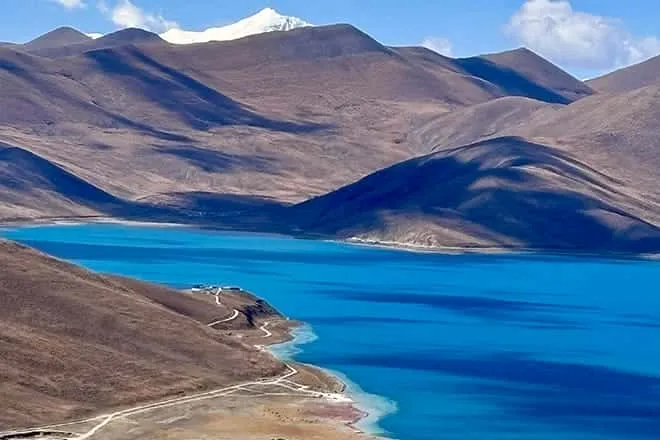
This is the classic choice for riders whose main goal is to experience Tibet and reach Mount Everest. Starting in Lhasa (3,650m), the route crosses the Tibetan Plateau before continuing southwest toward the Himalayas. Depending on the exact itinerary, a Lhasa–Everest round trip typically covers around 1,200-1,500 km. Along the way, riders pass Yamdrok Lake, historic towns such as Gyantse and Shigatse, high mountain passes and the Himalayan landscapes leading toward Everest.
 |
- Yamdrok Lake
 |
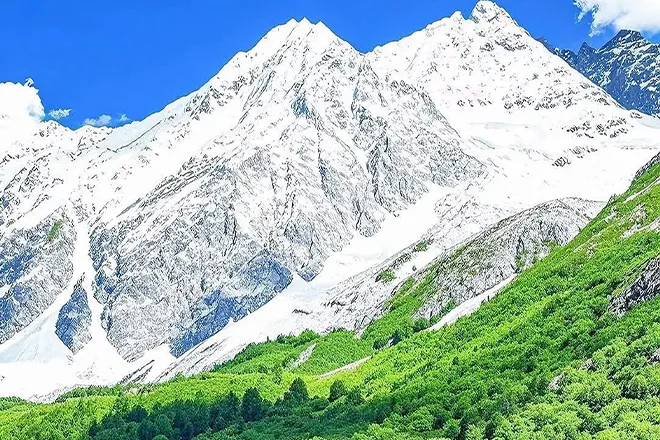
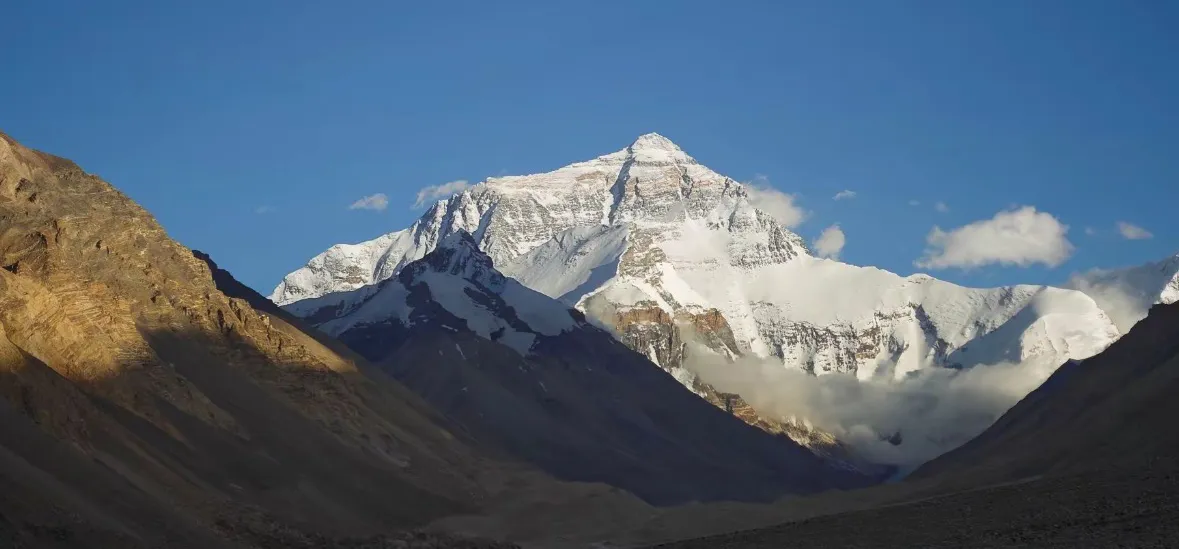
- Mount Everest
- Best for: First-time Tibet riders, travelers with limited time, and anyone whose main goal is reaching Everest.
- Start in Chengdu — Ride the G318 to Tibet
The G318 is one of China’s most famous long-distance motorcycle routes. The journey from Chengdu to Lhasa covers approximately 2,160 km and crosses numerous high mountain passes, many above 4,000 meters. Unlike starting directly in Tibet, the G318 allows riders to experience the gradual transition from Sichuan’s lower elevations and deep river valleys to the vast landscapes of the Tibetan Plateau.
 |
- G318
- Best for: Experienced riders who want a long-distance challenge and one of China’s classic motorcycle journeys.
- Start in Kunming — Ride Yunnan to Tibet
Thai riders can travel to Kunming first and begin their motorcycle journey in Yunnan. From Kunming, the route heads north through Dali and Lijiang before climbing toward Shangri-La (approximately 3,300m), Deqin and eventually the Tibetan Plateau. The journey combines Yunnan’s lakes, historic towns and mountain scenery with the increasingly high-altitude landscapes encountered on the way toward Tibet. Places such as Tiger Leaping Gorge can also be included depending on the itinerary. For experienced overland riders bringing their own motorcycle from Southeast Asia, this same corridor can also connect with the Mohan border crossing between Laos and China.
 |
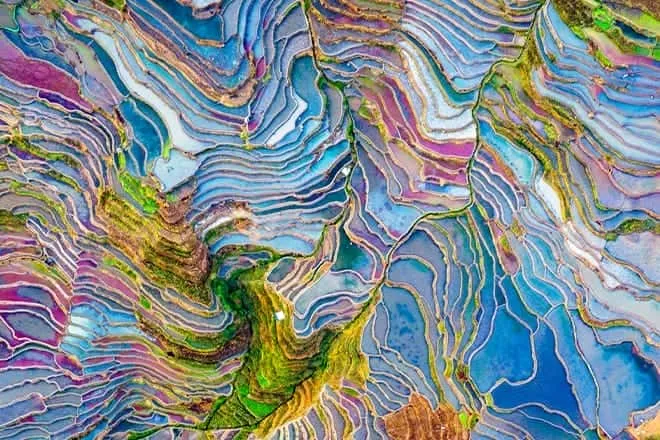
- Dali-Erhai Lake
 |
- Lijiang-Jade Dragon Snow Mountain
 |
- Shangri-La-Meili Snow Mountain
- Best for: Riders who want to combine Yunnan and Tibet and experience a longer motorcycle journey through southwest China.
Not sure where to start? The best route depends on your available time, riding experience and whether Everest, G318 or Yunnan is your priority. We can help match the starting point and route to the kind of Tibet motorcycle journey you want.
3. What Documents Do Thai Riders Need for a Tibet Motorcycle Tour?
Tibet has different travel requirements from most other destinations in China. Foreign travelers cannot simply enter Tibet and begin an independent motorcycle journey. Whether you plan to reach Tibet by plane, train, motorcycle or car, the required travel arrangements need to be made in advance.
- China Entry Documents
Thai ordinary passport holders can currently enter China visa-free for stays of up to 30 days under the China–Thailand mutual visa exemption agreement, with total stays not exceeding 90 days within any 180-day period. Travelers planning to stay longer than 30 days or enter China for activities requiring prior approval need the appropriate visa.
- Tibet Travel Permit (TTP)
 |
Entry into China does not automatically give you permission to enter Tibet. The Tibet Travel Permit is required for foreign travelers entering the Tibet Autonomous Region. The permit cannot be applied for independently by foreign travelers; it needs to be arranged in advance through an authorized travel agency together with your Tibet itinerary and travel arrangements. Once your motorcycle route and travel dates are confirmed, we can arrange the Tibet Travel Permit as part of your trip.
- Chinese Driving Permission
A Thai motorcycle licence or International Driving Permit alone does not authorize you to ride a motorcycle in China. Foreign riders need the appropriate Chinese driving permission before riding on public roads.
The exact procedure depends on how the motorcycle is provided and how you enter China, so the driving arrangements should be confirmed before your trip.
Typical documents include your:
- √ Passport and entry documents
- √ Valid Thai driving licence
- √ Chinese translation of your foreign licence where required
- √ Passport-style photos
- √ Other documents required for your particular application
 |
If you bring your own Thai-registered motorcycle into China, there is an additional important rule: the vehicle category permitted by your temporary Chinese driving permission must match both your foreign driving licence and the motorcycle you actually bring into China.
We can help coordinate the required driving documents and local arrangements before your motorcycle journey begins.
- Additional Permits
Depending on your Tibet itinerary, additional permits or approvals may be required for destinations such as the Everest region and certain border areas.
You do not need to determine each permit yourself. Once your route is confirmed, we can identify and arrange the permits required for your specific itinerary.
- Guide & Travel Arrangements
Foreign travelers in Tibet need to travel according to their arranged itinerary with the required local guide and travel arrangements.
This does not mean joining a large group tour. We can arrange private Tibet motorcycle journeys for solo riders, couples, friends or motorcycle clubs, as well as longer self-drive and cross-border overland journeys.
4. What Is Riding a Motorcycle in Tibet Really Like?
Now that you know why to go, where to start, and what arrangements are required, what does riding in Tibet actually feel like?
- High Altitude
The elevations alone make Tibet very different from riding in Thailand:
- Lhasa: 3,650m
- Yamdrok Lake: 4,441m
- Everest Base Camp: 5,200m
 |
At 3,650m, lower atmospheric pressure means less oxygen is available with each breath than at sea level. As you climb higher, the effect becomes more noticeable. Physical effort can feel harder at altitude, and even simple tasks such as handling or lifting a motorcycle may require more energy than they would at lower elevations. This is one reason acclimatization and a realistic riding schedule matter.
- Mountain Roads
Tibet’s major highways have improved significantly in recent years and are predominantly paved with asphalt. But good pavement does not necessarily mean easy riding. Routes can include long climbs and descents, high mountain passes, switchbacks and occasional sections affected by road maintenance or construction. Combined with altitude and long distances, even a well-paved road can still make for a demanding riding day.
 |
- Rapidly Changing Weather
Mountain weather can change quickly in Tibet. Even during the warmer months, riders may encounter strong sunshine, wind, rain and sudden temperature changes as elevation increases. Temperatures can drop significantly after sunset and at high mountain passes, while strong UV exposure is another major difference from riding at lower elevations in Thailand.
- Long Riding Days
200 km at high altitude does not feel like 200 km in Thailand. High altitude can affect rider endurance and motorcycle performance, while winding roads, mountain passes, checkpoints and sightseeing stops can all add time to the journey. Daily mileage therefore needs to be realistic. On some days, covering fewer kilometers and allowing more time for rest and acclimatization makes for a much better ride than trying to push through a long-distance schedule.
That is why our Tibet motorcycle itineraries are planned around altitude, road conditions and realistic daily riding distances — not simply the number of kilometers on the map.
5. When Is the Best Time to Ride a Motorcycle in Tibet?
For riders coming from Thailand’s tropical climate, Tibet’s seasons require a very different approach to motorcycle travel.
- April — Early Riding Season
Motorcycle travel becomes more practical as temperatures begin to rise, but conditions at high elevations can still be cold and change quickly. Riders should be prepared for low temperatures and possible snow around mountain passes.
 |
- May-June — One of the Best Riding Periods
This is one of the most popular periods for motorcycle travel in Tibet. Temperatures are generally milder, rainfall is relatively limited, and riding conditions are often more stable. It is a good window for routes such as Lhasa–Everest and the G318.
- July-August — Warmer but Wetter
Motorcycle touring is still possible, but this is Tibet’s main rainy season. Rainfall can affect mountain roads, particularly on routes through eastern Tibet, and weather conditions can be less predictable. Riders should allow more flexibility in their itinerary.
 |
- September-October — Another Excellent Riding Period
After the main summer rainy season, conditions generally become drier and temperatures begin to fall. September and early autumn can offer excellent riding conditions, although mornings and high mountain passes become increasingly cold later in the season.
- November-March — Generally Less Suitable for Motorcycle Touring
Winter brings much colder temperatures, strong winds, snow and icy road conditions at high elevations. While not every road becomes inaccessible, winter is generally a much less suitable period for a long-distance Tibet motorcycle journey.
What Should Thai Riders Pack?
Packing for a motorcycle trip in Tibet is very different from packing for a ride in Thailand. Even during the warmer months, temperatures can drop quickly as you climb to high mountain passes, so riders need to prepare for both strong sunshine and cold, wet conditions.
Bring:
- Thermal base layers — useful for cold mornings and high-altitude sections.
- Waterproof riding gear — weather can change quickly in the mountains.
- Warm riding gloves — especially important on early-morning rides and high passes.
- Layered clothing — easier to adjust as temperatures change throughout the day.
- UV protection — sunglasses, sunscreen and other sun protection are important at high altitude.
You do not need to pack for Tibet as if it were an extreme winter expedition, but you should be prepared for much colder and more changeable conditions than you would normally expect on a motorcycle trip in Thailand.
Tell us your travel month and planned route, and we can recommend what riding gear to prepare for your specific Tibet motorcycle journey.
6. What Motorcycle Is Best for Riding in Tibet?
You do not need the biggest adventure motorcycle to ride in Tibet. The best choice depends on your route, riding experience, the bike’s weight and how comfortable you are handling it during long days at altitude.
Thai riders can either use a motorcycle arranged in China or, for a longer overland journey, bring their own motorcycle from Thailand.
-
By Engine Size
- 250-400cc — Light and manageable
Smaller motorcycles are easier to handle at low speeds and less tiring to maneuver. They can be a practical choice for riders who value lighter weight over long-distance comfort.
- 400-800cc — A versatile choice
This range offers a good balance of highway comfort, carrying capacity and manageable weight, making it well suited to many long-distance Tibet routes.
- 800cc+ — Comfortable but heavier
Large adventure motorcycles offer excellent comfort and stability on long highway sections, especially for experienced riders. However, the extra weight becomes much more noticeable when maneuvering at low speed or lifting the motorcycle at high altitude.
What Matters More Than Engine Size?
Engine capacity is only part of the decision. Also consider:
- Weight — Can you comfortably control the motorcycle after a long day of riding?
- Reliability — Mechanical problems are much harder to deal with in remote areas.
- Fuel range — Longer distances between services make good range useful on remote sections.
- Luggage capacity — You need enough space for warm layers, waterproof gear and essential equipment.
- Rider familiarity — A motorcycle you know and can confidently control is often a better choice than a larger or more powerful bike you have never ridden before.
For most riders, control, reliability and familiarity matter more than simply choosing the largest engine.
If you prefer not to bring your own motorcycle into China, we can arrange a suitable motorcycle based on your route, riding experience and availability.
7. Can You Bring Your Own Motorcycle from Thailand to Tibet?
For most Thai riders, traveling to China first and starting the motorcycle tour here is the simpler option. But for riders who want a longer cross-border adventure, it is also possible to bring a Thai-registered motorcycle into China and continue toward Tibet.
A typical overland route is:
Thailand → Laos → Boten/Mohan Border → Yunnan → Shangri-La → Tibet
After entering China at Mohan, riders can travel north through Yunnan and connect with the Yunnan–Tibet route introduced earlier in this guide. However, bringing your own motorcycle into China involves an additional set of procedures. These generally include:
- -Temporary vehicle entry and customs procedures
- -Temporary Chinese license plates and vehicle registration
- -Chinese compulsory motor vehicle insurance
- -Appropriate Chinese driving permission
- -Vehicle ownership and registration documents
Entering Tibet is a separate matter. Completing China’s temporary vehicle-entry procedures does not automatically give you permission to ride into Tibet. Your Tibet itinerary, permits and required local arrangements must also be organized in advance. This means an overland rider from Thailand needs to coordinate both the motorcycle’s legal entry into China and the travel requirements for Tibet before reaching the border.
For riders planning the complete Thailand → Laos → China → Tibet journey, we can coordinate the foreign motorcycle entry, Chinese driving arrangements, route planning, Tibet permits and local support as part of one trip.
8. How Many Days Do You Need for a Tibet Motorcycle Tour?
The right itinerary depends on how much time you have in China and how much of the journey you want to spend riding.
| Motorcycle Route | Recommended Duration |
| Lhasa → Everest Base Camp Lhasa | Around 8-10 days |
| Chengdu G318 | Around 12-15 days |
| Kunming → Yunnan-Tibet → Lhasa | Around 12-15 days |
These are general planning ranges rather than fixed schedules. Your actual trip length will depend on the route, sightseeing stops, daily riding distance and time allowed for acclimatization.
For a Lhasa-Everest motorcycle journey, allow enough time at the beginning of the trip to adjust to Lhasa’s altitude of 3,650m before continuing toward higher destinations. Many itineraries include around 2-3 days in Lhasa for acclimatization and sightseeing before the longer ride toward Everest begins.
If you have around 8-10 days, a Lhasa-Everest journey is usually the most focused option. With around two weeks or more, you can consider a longer journey starting from Chengdu or Kunming and experience the transition from lower elevations to the Tibetan Plateau.
Choose a route based on your available time:
8‑Day Lhasa‑Everest Base Camp Motorcycle Expedition
8‑Day Lhasa‑Everest & Namtso Motorcycle Pilgrimage
12‑Day Chengdu to Lhasa Motorcycle Tour
17 Days Sichuan‑Tibet, Riding Through G318
23‑Day Chengdu to EBC Moto Tour
12‑Day Scenic Yunnan‑Tibet Heavenly Road Motorcycle Pilgrimage
15‑Day Yunnan‑Tibet‑Everest Peach Blossom Moto Tour
9. How Should Thai Riders Prepare for High Altitude?
Riding at high altitude requires more preparation than an ordinary motorcycle trip in Thailand. The key is to give your body time to adjust and avoid pushing yourself too hard during the first days of the journey.
- Allow time to acclimatize — Avoid gaining altitude too quickly and build sufficient acclimatization time into your itinerary, particularly before continuing toward higher destinations such as Everest Base Camp.
- Take the first few days slowly — Your body needs time to adjust to the lower atmospheric pressure at altitude. Avoid unnecessary physical exertion when you first arrive and do not rush into demanding riding days.
- Stay hydrated — Drink regularly throughout the day, especially during long riding days. Avoid excessive alcohol, particularly while you are still adjusting to the altitude.
- Pay attention to symptoms — Headache, fatigue, nausea, dizziness and disturbed sleep can occur after arriving at high altitude. If symptoms become severe or continue to worsen, stop ascending and seek medical assistance. Descending to a lower altitude may be necessary.
- Remember that altitude can affect your riding — Fatigue, dizziness or difficulty concentrating can make motorcycle riding more demanding. If you do not feel well enough to ride safely, do not continue simply to stay on schedule.
For motorcycle travelers, acclimatization is therefore part of the journey rather than time lost from it. That is why our Tibet motorcycle itineraries balance acclimatization, altitude gain and realistic daily riding distances instead of simply trying to cover as many kilometers as possible each day.
Conclusion
A Tibet motorcycle journey is very different from riding at home in Thailand. The altitude is higher, the distances are longer, and the travel arrangements require more preparation — but that is also what makes the journey so memorable.
Whether your goal is to ride from Lhasa to Everest, cross the G318 from Chengdu, explore Yunnan and Tibet, or bring your own motorcycle from Thailand, the right route depends on your available time, riding experience and preferred style of travel.
Tell us when you plan to travel, how many days you have and what kind of motorcycle journey you want. We can help you plan the route, motorcycle, permits and local arrangements for your Tibet ride.
Ask a Quick Question & Free Enquiry

If you have a WhatsApp, please feel free to scan our WhatsApp code.