 +86-13981905144
 inquiry@chinaroadtrip.org
Two Ways to Experience Tibet's Roads: Motorcycle Adventure and Self-Drive Comfort
Written by China Road Trip | Updated 2026-11-2

On the mountain roads leading to Tibet, some travellers prefer to drive with friends or family, watching the landscape unfold from the car. Others would rather put on a helmet and ride through those passes and bends themselves.
A car keeps out wind and rain and makes carrying luggage easier. A motorcycle means wind in your face, shifting temperatures and tiredness after a day in the saddle. So why do some travellers still choose to ride to Tibet?
For some, the answer is straightforward: they already love motorcycles and have long-distance riding experience, and Tibet is somewhere they have always wanted to ride to. Others are drawn by the hands-on experience of adventure travel. For them, reaching Tibet matters, but so does the ride itself.
Bringing a passion to Tibet: the ride itself is the point
For people who already ride regularly, choosing a motorcycle for Tibet is often a continuation of a familiar and much-loved way of travelling. They enjoy more than simply arriving somewhere: guiding the bike through bends and finding a comfortable rhythm on the road over the course of a day. Tibet is a place they have long wanted to ride to, and bringing that passion onto high-altitude roads is a reason to set off in itself.
 |
On a multi-day road trip, if all the attention is saved for the sights, the long stretches in between can feel like mere transit. For a rider, those stretches are part of the trip too. On the same Sichuan–Tibet route, one traveller may look forward to how long to linger by Rawok Lake or when to stop for stone-pot chicken in Lulang. Another may look forward to which pass is on today’s route and how a particular sequence of bends feels to ride. Different travellers enjoy different parts of the journey.
The appeal of adventure travel: being part of the journey
Others choose a motorcycle because they are drawn to adventure travel. Adventure here does not mean danger, speed or pushing limits. It means exploring unfamiliar routes, riding over consecutive days, adapting to different altitudes and weather, and the sense of achievement that comes with completing the whole journey. They want to handle the bike themselves and to feel the road, the weather and the landscape change over several days.
 |
The same road, a more direct sensory experience
From a car, a mountain pass can look like a picture: the wind moves, the clouds move, but the changes stay behind glass. For a rider, the wind on a pass pushes directly against the shoulders. As the altitude rises, the cold air arrives first at the cuffs and collar. The smell of grass and dust in a valley does not reach you with the windows closed. When you stop for a break, you can hear the stream beside the road; while riding, it is wind, temperature and smell that stay with you along the way.
 |
Drivers and passengers can pull into a viewpoint, stop properly, and take their time looking and taking photos without thinking about holding the bike, removing a helmet or taking off gloves. Each way of travelling offers a different experience of the same landscape.
Riding also requires you to watch the road, maintain a safe following distance and manage your pace. At the end of the day, the memories include not only photos on a phone but also how long a stretch into the wind lasted, and which pass was cold enough to require an extra layer. But focus does not mean ease. The physical tiredness after a day’s riding is real, and high-altitude wind, rain and cold do not become gentle simply because someone loves riding.
The appeal of self-drive: comfort, company and shared experience
Keeping out wind and rain is only the most obvious advantage. A car can carry more luggage and bring along people who do not want to ride. Passengers can chat, listen to music and share snacks. The driver can still enjoy handling the vehicle and the route itself, only with four wheels instead of two. Time spent together inside the car is also part of the trip.
 |
If the group includes older people or children, if travel days are limited and energy is better saved for walking and photography, or if someone simply does not want to be cold at 4,000 metres, choosing a car is entirely reasonable. Comfort and company are, for many people, reasons to travel in the first place.
Choosing between self-drive and motorcycle touring in Tibet: how do you want to spend the trip?
Before choosing, it is worth considering not only interest but also driving or riding experience, stamina and the needs of your group.
How much driving or riding experience do you have? Both drivers and riders need to consider mountain road conditions and the effects of altitude. If experience is limited, the more familiar option will usually feel more comfortable.
Do you enjoy the process of being on the road, or do you care more about sightseeing, walking and taking photos once you arrive? If you want to save energy for the latter, a car is the less tiring choice.
How much wind, rain, cold and physical fatigue can you comfortably accept? This is not a question of willpower; everyone has a different tolerance for discomfort.
Who are you travelling with? How many days do you have? How much luggage? Motorcycle touring requires more careful planning of daily mileage, rest stops and accommodation; it is not a matter of setting off and deciding later. Driving in Tibet also requires serious attention to altitude, weather and the daily itinerary.
Planning Your Tibet Self-Drive or Motorcycle Tour
We offer both Tibet self-drive tours and Tibet motorcycle tours. Before departure, we plan the route and daily pace around your experience, preferences, companions and time available.
For self-drive tours, we coordinate the vehicle, accommodation, guide and day-to-day logistics. You drive within the confirmed itinerary, while the guide helps coordinate stops and daily arrangements along the way. For motorcycle tours, we arrange the required guiding and confirm before booking whether a support vehicle and luggage transport are included in your chosen tour.
Foreign travellers should note that permits, guides and routes for travel to Tibet must be arranged in advance by a travel agency. Route changes cannot be made independently during the trip.
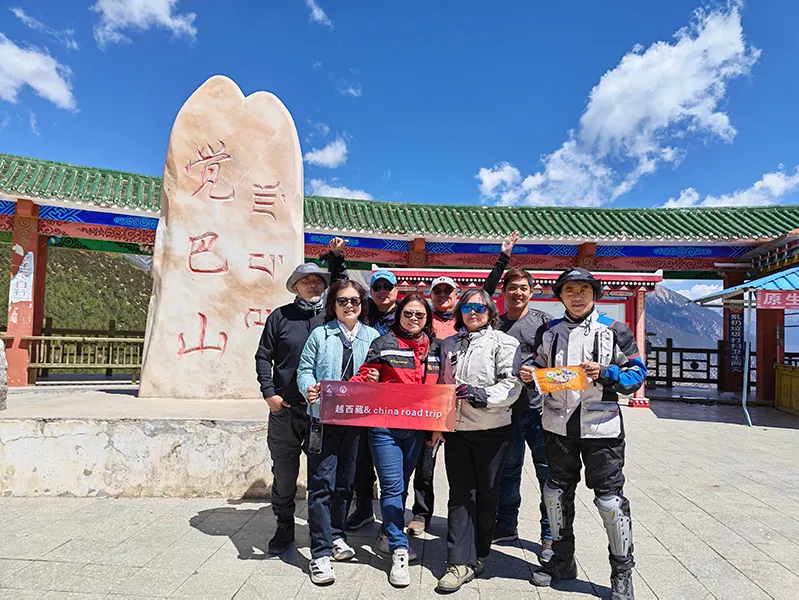
Some travellers want to bring their passion for riding to Tibet. Some are drawn by the hands-on experience of adventure travel. Others value the comfort and company of a self-drive trip.
Both are ways of travelling to Tibet. Tell us how many days you have, your driving or riding experience and who will be travelling with you, and we can help you work out which option suits this trip.
Ask a Quick Question & Free Enquiry

If you have a WhatsApp, please feel free to scan our WhatsApp code.