 +86-13981905144
 inquiry@chinaroadtrip.org
Riding skills, road conditions and choosing the right tour
Written by China Road Trip | Updated 2026-10-27

When people think of a Tibet motorcycle tour, what comes to mind often isn't smooth asphalt—it's muddy ruts, loose gravel, and a bike struggling through potholes. So a natural question follows: do you need a proper off-road bike and extensive off-road experience to ride in Tibet?
If you only commute on your motorcycle and occasionally do weekend road rides, and you've never taken a bike into mud or up a dirt trail, does that mean you should just watch other people's travel videos and put your own plans on hold?
Don't count yourself out just yet. Tibet is vast, and riding conditions vary considerably from route to route. High altitude doesn't mean off-road, and mountain roads don't mean you'll be riding through gravel and mud the whole way. A dramatic clip you saw online doesn't represent an entire journey.
 |
So, does a Tibet motorcycle tour really require off-road experience? The short answer: not necessarily.
That said, "no off-road experience" and "no riding experience" are two different things. You may not need specialist off-road skills for a predominantly paved itinerary, but you do need confident motorcycle control, mountain-road experience, and the stamina for consecutive riding days. Let's look at what that actually means in practice, so you can judge whether your riding background fits a Tibet trip.
Does a Tibet Motorcycle Tour Mean Off-Road Riding?
High altitude, mountain roads, and off-road riding are not the same thing. High altitude is about elevation and climate. Mountain roads are about curves and gradients. Off-road riding typically involves unpaved terrain and the handling skills that come with it. Riding mountain roads doesn't mean you're off-roading, and an occasional gravel patch on a paved road doesn't mean the whole trip is an off-road challenge.
 |
-
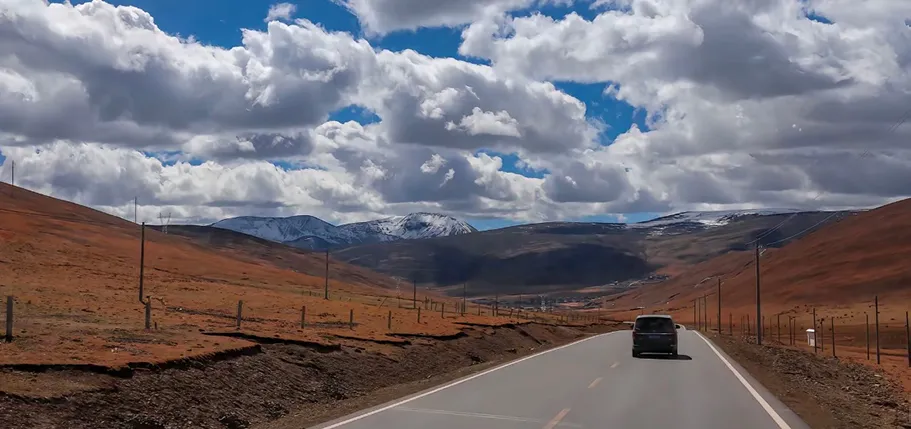
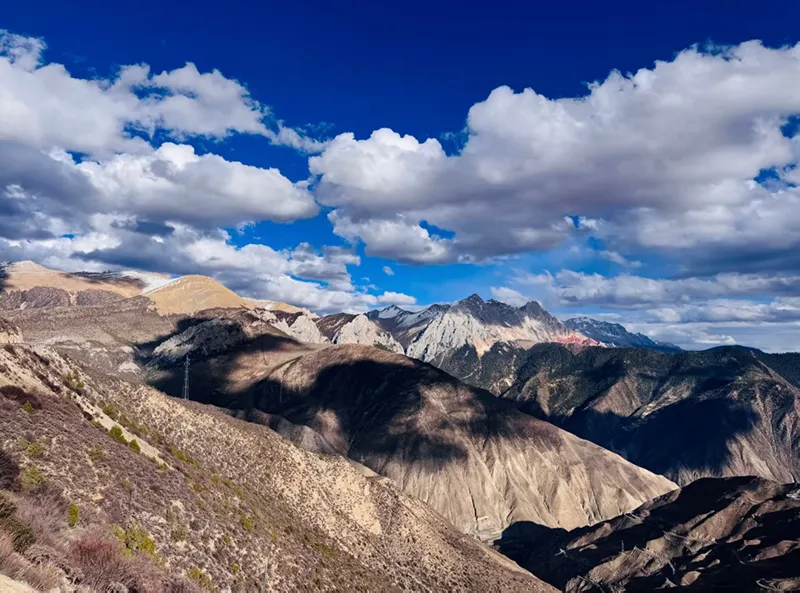
A paved valley section of the G318 Sichuan–Tibet Highway between Mangkang and Zuogong in Chamdo, Tibet.
Many classic routes into Tibet, as well as established touring routes within Tibet, are predominantly paved. Take the G318 from Chengdu to Lhasa: it passes through numerous towns where you can refuel, eat, stay overnight, and resupply. That said, services aren't evenly spaced, and even paved roads can develop gravel, potholes, and mud due to construction, weather, or road damage.
When choosing a trip, what matters is the specific sections and daily itinerary: Are there long unpaved stretches? Where are the supply points? How are construction zones handled? Judge the difficulty by the road you'll actually ride, not by the word "Tibet" alone. And just because a route is mostly paved doesn't mean it lacks adventure—leaving the familiar city and heading onto the Tibetan Plateau is an adventure in itself.
What Riding Skills Matter Most in Tibet?
Rather than asking "what techniques do I need," use these questions as a self-check:
- — Can you adjust speed based on visibility and road conditions through consecutive curves while maintaining a steady rhythm?
- — Can you comfortably handle low-speed turns, U-turns, and stops on your chosen motorcycle with your daily essentials?
- — Are your braking inputs smooth and predictable when you need to slow down?
- — After several consecutive days of riding, can you recognise your own fatigue and rest, communicate, or adjust the plan accordingly?
These questions map to cornering, low-speed control, sensible braking, and multi-day endurance. These aren't skills exclusive to off-road riding—they're the fundamentals of any long-distance road tour. If any one of them feels shaky, that's what to work on before you go.
 |
-
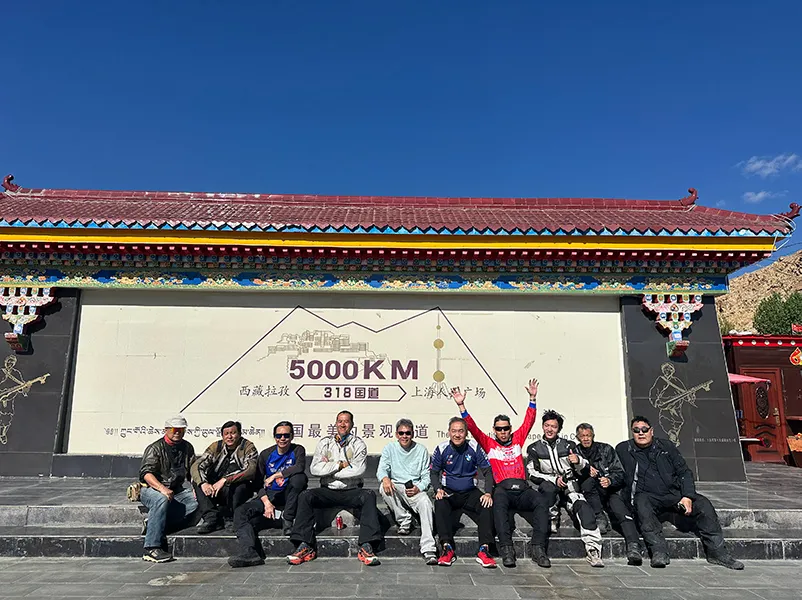
Before departure, our guide explains how to wear helmets and other riding gear correctly, and briefs guests on the route, road conditions, group riding guidelines and safety precautions.
Is Tibet Suitable for Newly Licensed Riders?
Two different situations need to be distinguished here. Time since getting your licence is only a reference point—actual riding history and current bike control matter more.
Experienced road riders without off-road experience. You ride regularly, have done mountain roads, and have completed multi-day road trips—you just haven't ridden gravel. In this case, a trip matched to your ability and focused on paved roads is worth considering. If the itinerary includes gravel or construction detours, find out the length and difficulty of those sections in advance and confirm they're within your capability. A guide's reminders can help, but they don't replace basic bike control or necessary training.
 |
Newly licensed riders still learning the basics. Starting, stopping, turning, and braking still require deliberate thought, and unexpected situations make you tense. Here the issue isn't off-road experience—it's that your basic riding skills are not yet consistent. If that's where you are, the better path is to train and build real riding experience in familiar environments before considering a high-altitude long-distance trip.
What Is Riding in Tibet Actually Like?
Daily schedules vary a lot between routes, but a few things come up on almost every trip. Understanding them in advance helps you judge whether you're ready.
-
Time on mountain roads
 |
On classic routes, consecutive curves and climbs or descents can take up a significant part of the day. You need to be able to adjust speed through corners based on sight lines and road conditions—not by following another rider or reacting at the last moment. If most of your riding is on flat urban roads, practise on winding routes before departure.
-
Weather and temperature swings
Conditions can shift noticeably within a single day at altitude, and wind and cold at mountain passes feel more intense than on the plains. Check the forecast for your route's elevations before departure, pack insulation and waterproof gear, and adjust clothing along the way based on conditions and how you feel.
-
Multi-day fatigue and altitude adjustment
Fatigue accumulates over consecutive riding days, and altitude can affect sleep and concentration. Build rest and acclimatisation time into the itinerary after arrival—don't schedule a long first day. Assessing your condition each morning matters more than hitting a mileage target.
-
Supplies and stops
 |
Towns along the way offer fuel, food, and lodging, but service points aren't evenly distributed. Knowing the day's supply stops, expected riding time, and possible construction zones in advance reduces the pressure of last-minute decisions. When stopping to take photos or rest, make sure you're parked somewhere safe.
-
Luggage and team support
 |
On our motorcycle tours, a support vehicle carries your main luggage, leaving you to carry only your daily essentials. Your guide coordinates rest stops and timing according to the itinerary and local conditions. For construction, detours, or gravel sections, the guide will explain changes and points to watch for based on the situation; if you're not confident about getting through, speak up so the situation can be assessed before you decide. Confirm the full scope of support when booking, including arrangements for breakdowns or riders who cannot continue.
Put together, the day-to-day reality of riding in Tibet isn't constantly operating at the limit—it's making judgments about road surface, weather, energy, and supplies each day. The more concretely you prepare, the more attention you'll have left for the scenery.
How Can You Choose a Tour That Matches Your Experience?
Don't judge by route names and total distance alone. Ask specific questions:
- — How long is the longest riding day—a few hours, or most of the day in the saddle?
- — How many consecutive riding days are there, and are there adequate rest days?
- — What surfaces does the route actually cover—mostly paved, or long unpaved or construction sections?
- — How are supply points distributed, and can you refuel and eat conveniently each day?
- — Does the itinerary include rest and acclimatisation time after arrival, or does long-distance riding start immediately?
- — How is luggage handled, is there support, and what happens in an emergency?
These questions give you a clearer picture of how demanding a route will be. Even confident road riders need time to acclimatise.
When it comes to the motorcycle, don't assume only a dedicated off-road bike can complete a Tibet trip. What matters more is whether the bike suits the planned surfaces and whether its weight, seat height, and handling match your experience. Depending on the itinerary, we can arrange motorcycles from brands including CFMOTO, KOVE, and BMW. Specific models, specifications, and availability are confirmed during booking. Telling us what you normally ride and whether you're familiar with similar weight and seat height helps narrow the options. Rather than choosing by engine size alone, consider how confidently you can handle the bike at stops, at low speeds, and over long riding days.
 |
What Should You Confirm Before Booking and Departure?
Treat this as a natural conversation, not an exam. Before booking, it helps to tell us:
- 1.Your expected travel dates, available days, and routes of interest;
- 2.What you normally ride, and your recent long-distance and mountain-road experience;
- 3.Whether you've ridden gravel or other unpaved surfaces;
- 4.Your height, any concerns about bike choice, and what riding situations worry you most.
This information helps us assess whether a route and motorcycle suit you. Before booking, confirm what support the vehicle and team provide, how luggage is transported, and how rest stops are planned. Also ask what happens if you feel unwell or cannot continue riding.
Before booking, ask our team to confirm the motorcycle licence category and Chinese driving permission required for your chosen bike, along with the travel permits needed for your itinerary. Send your existing licence and relevant documents for review, and consult our guides to temporary Chinese driving permits and the Tibet Travel Permit. Specific services are subject to the confirmed itinerary and booking terms.
Before departure, we run an itinerary briefing and bike walkthrough covering the daily plan, sections to watch for, supply stops, and group riding rules, and we help you get familiar with the motorcycle's basic controls and configuration. If the trip includes a pre-departure test ride or basic practice session, the details will be explained in advance. These arrangements help you adapt to the bike and the group's rhythm—they're vehicle familiarisation and trip preparation, not a substitute for complete rider training. That's why being honest about your experience when booking still matters.
You don't necessarily need to be an off-road expert to join a Tibet motorcycle tour. What you do need is solid riding experience and a route that matches your abilities. Preparation doesn't diminish the adventure—it gives you the confidence to leave familiar roads behind and experience the high-plateau journey you've been dreaming of.
Ask a Quick Question & Free Enquiry

If you have a WhatsApp, please feel free to scan our WhatsApp code.